Small Venues in London
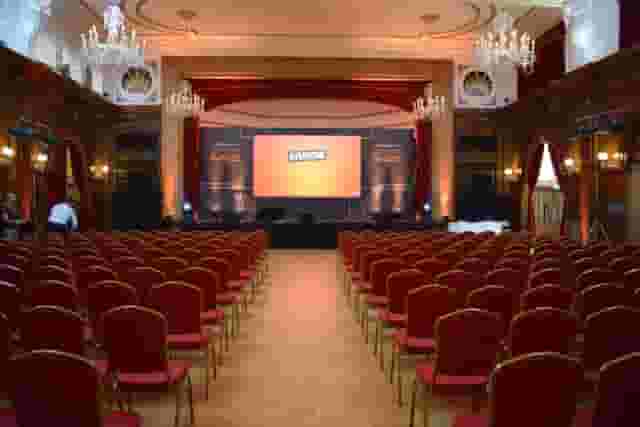
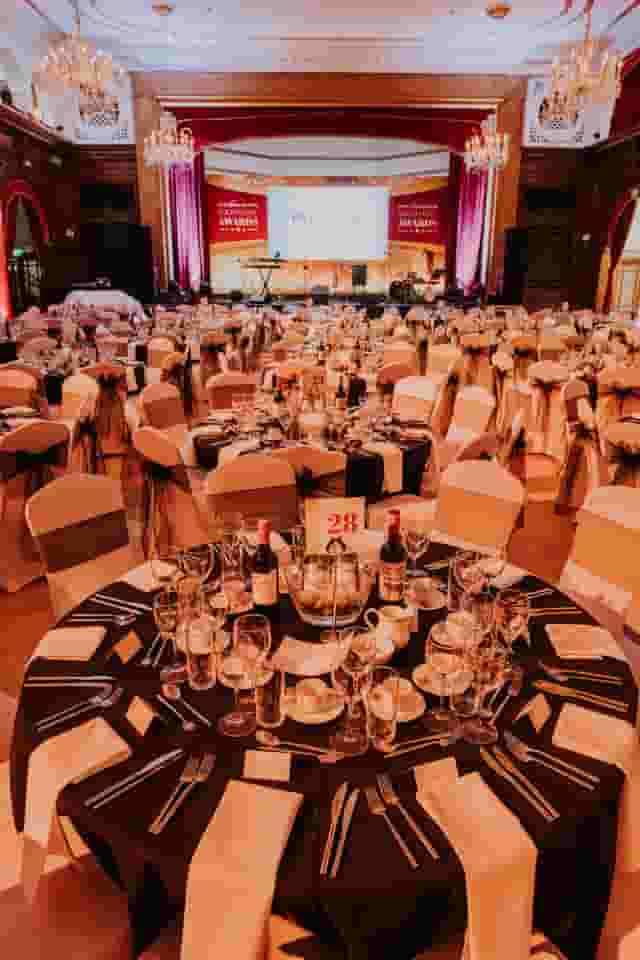
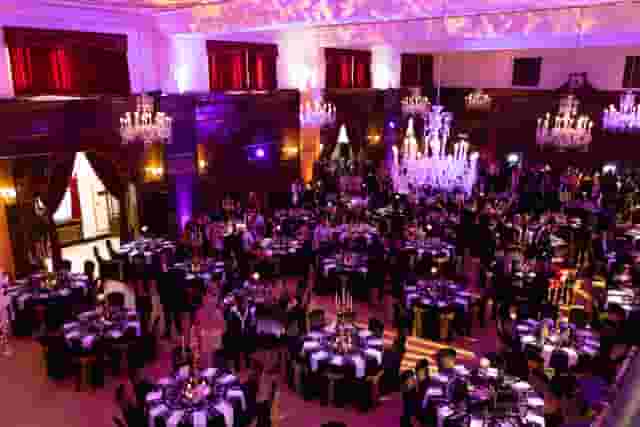
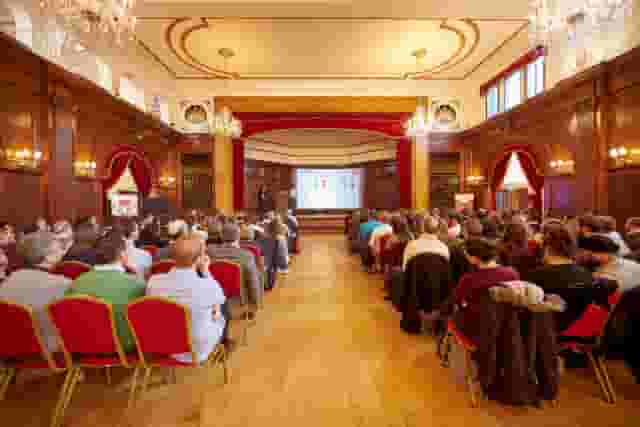
Explore small venues in London suitable for up to 300 guests.
16 Small in venues in London





















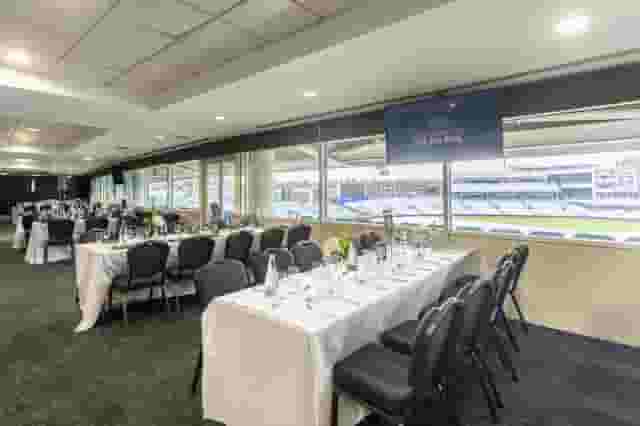
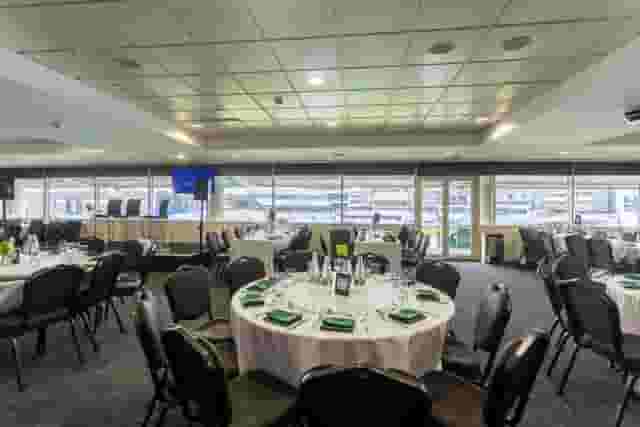
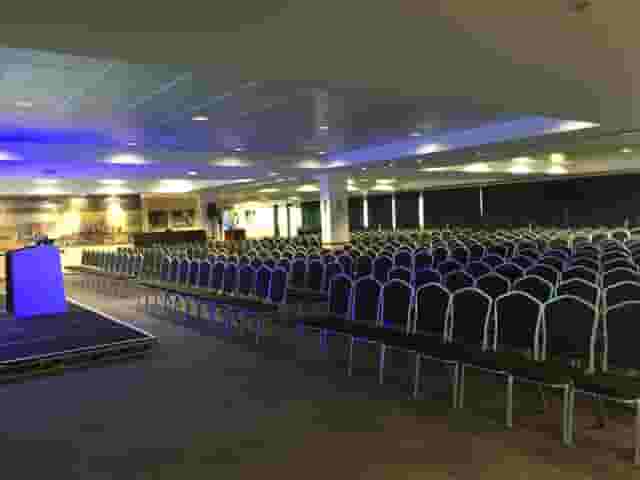
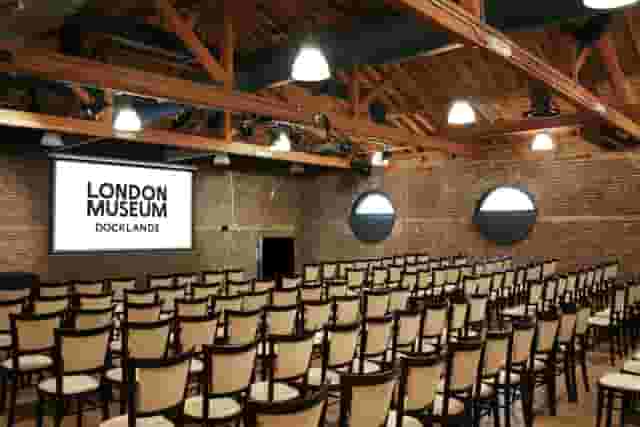






No venues match these filters
Try widening your capacity, luxury level or event type.
Don't have time to search? We'll find it for you.
For business events that need human judgement, talk to our team. Free for events of 100+ people, budgets over £10k or ongoing programmes.


Explore more venues in London



















Other platforms search their database. We search everything.
Tell us what you need. Our deep research finds any venue, whether it's in our marketplace or not. No one else does this.
About Small in London
Why London's Small Venues Are Perfect for Your 300-Person Event (And What Makes Them Different)
Here's something that might surprise you: when we're talking about "small venues" for 300 people in London, we're actually discussing some of the most versatile and sought-after event spaces in the capital. These venues typically span 300-500 m² and offer something that massive conference centres simply can't match – intimacy at scale.
The magic happens in how these spaces are designed. Take The Steel Yard, for instance, which at 350 m² can comfortably host 300 guests in theatre style or 200 for a seated dinner. What makes these venues special isn't just their size – it's their ability to create that "everyone knows everyone" atmosphere whilst still accommodating your entire guest list.
What Sets London's Small Venues Apart
London's small venues have evolved to be incredibly flexible. Most feature ceiling heights of at least 3.5m, which means your AV team can work magic with lighting and projection without guests feeling cramped. The power infrastructure is robust too – we're talking three-phase, 400-amp supplies that can handle everything from live streaming to full production setups.
The real advantage comes down to guest experience. In a 300-capacity small venue, your networking reception flows naturally, conversations happen organically, and nobody gets lost trying to find the loo. Compare this to hiring a corner of a massive exhibition hall where your 300 guests rattle around like peas in a drum.
The Commercial Sweet Spot
Budget-wise, you're looking at £60-120 per head for most events, depending on location and inclusions. Central London venues command premium rates, but the value proposition is compelling. These spaces often include integrated catering kitchens, dedicated storage areas (typically 10% of total floor space), and climate control systems with zoned management.
What's particularly clever about London's small venue market is how many have adapted to hybrid events. With minimum 100 Mbps internet and built-in streaming capabilities, you can easily accommodate remote attendees alongside your 300 in-person guests.
The booking timeline is crucial here – secure your preferred venue 6-8 months ahead for peak seasons. Many of these venues are booked solid, particularly those near transport hubs like Small Venues in Central London for 200 people or emerging areas like Small Venues in East London for 200 people.
Ready to explore your options? Start by identifying your must-have location, then work backwards from your event date to ensure you're not competing with London's busiest booking periods.
The Smart Event Planner's Guide to Choosing Small Venues That Actually Work for 300 Guests
The biggest mistake we see event planners make? Assuming that any venue with a 300-person capacity will automatically work for their event. Trust me, I've walked into "perfect" venues only to discover they're essentially one long corridor or have pillars positioned exactly where your main stage needs to go.
The Layout Reality Check
Here's your first checkpoint: ask for detailed floor plans with measurements, not just pretty marketing photos. A 350 m² venue might sound spacious, but if it's 50m long and 7m wide, you'll struggle to create natural conversation zones for networking events. The sweet spot we've found is venues with roughly square or rectangular proportions – think 20m x 17m rather than 35m x 10m.
Pay particular attention to ceiling height variations. Many converted warehouses and industrial spaces have structural beams that drop to 2.8m in places, which kills your lighting options and makes spaces feel cramped despite generous floor area. Insist on minimum 3.5m throughout, especially if you're planning presentations or performances.
The Technical Infrastructure Deep Dive
Don't just ask "do you have WiFi?" – dig deeper. For 300 guests, you need dedicated bandwidth of at least 100 Mbps, not shared building WiFi. We've seen too many product launches derailed by patchy connectivity when everyone tries to post on social media simultaneously.
Power is equally critical. Your venue should provide detailed electrical schematics showing socket locations and load capacity. Three-phase, 400-amp supply is non-negotiable for events with full AV production. I've learned this the hard way when a "fully equipped" venue couldn't handle our lighting rig and catering equipment running simultaneously.
Location Strategy That Actually Works
Transport accessibility isn't just about being near a Tube station – it's about managing 300 people arriving and leaving efficiently. Venues near major interchanges like King's Cross or Liverpool Street work brilliantly, but also consider emerging areas like Small Venues in South East London for 200 people where parking is more available and costs are lower.
For corporate events, proximity to business districts matters enormously. A venue that's 15 minutes from Canary Wharf will see much higher attendance than one requiring a 45-minute journey across London, regardless of how stunning the space is.
The Hidden Costs Checklist
Always request a complete breakdown including security deposits, cleaning fees, and equipment hire. Many venues quote attractive base rates then add £15-25 per person for "essential" extras. Factor in loading access too – some venues charge £200+ for after-hours deliveries, which can blow your budget if you're setting up elaborate displays.
Your next step? Create a venue shortlist of 5-6 options, then visit each one during a similar event to yours. Nothing beats seeing how spaces actually function with real guests.
Navigating London's Small Venue Landscape: From Hidden Gems to Booking Success
London's small venue scene is like an iceberg – what you see on the surface barely scratches what's actually available. After years of sourcing venues across the capital, I've discovered that the best 300-capacity spaces often aren't the ones with the biggest marketing budgets or flashiest websites.
Where the Real Opportunities Hide
The most successful venue searches I've conducted start in unexpected places. Converted Victorian railway arches in areas like London Bridge offer incredible acoustics and character, whilst former print works in Bermondsey provide that industrial chic aesthetic everyone's after. These venues often charge 20-30% less than their West End counterparts whilst offering superior technical specifications.
Don't overlook cultural institutions either. Many museums, galleries, and historic buildings have event spaces that can accommodate 300 guests but fly under the radar because they're not traditional commercial venues. The licensing requirements are usually sorted, and the unique settings create genuinely memorable experiences.
The Borough-by-Borough Strategy
Each London borough has its own venue personality. Small Venues in North West London for 200 people tend to offer better parking and competitive rates, whilst Small Venues in South West London for 200 people provide that village-in-the-city charm that works brilliantly for brand launches.
Here's my insider tip: venues in Zone 2-3 areas like Hackney, Peckham, or Walthamstow often provide exceptional value. You'll get 400+ m² spaces for the price of 250 m² in Central London, plus your guests will appreciate the novelty of discovering a new area.
Timing Your Search Like a Pro
The venue booking calendar follows predictable patterns. January-March sees the highest availability as venues recover from Christmas party season. Book during this window for September-November events and you'll often secure 15-20% discounts on standard rates.
For immediate bookings, Wednesday and Thursday events offer the best availability and pricing flexibility. Venues struggling to fill midweek slots will often throw in extras like upgraded catering or extended hire periods.
The Relationship Game
Building relationships with venue managers pays dividends. I maintain contacts at 20+ venues across London, which means I get first refusal on cancellations and insider knowledge about upcoming availability. Start building these relationships now, even if you don't have an immediate booking.
Your next move? Create a spreadsheet tracking 10-15 potential venues across different areas, noting their key contacts, capacity configurations, and pricing structures. This becomes your go-to resource for future events and gives you negotiating power when venues know you're a repeat booker.
What You'll Really Pay for Small Venues in London (Plus 5 Ways to Maximize Your Budget)
Let's talk numbers, because venue pricing in London can feel like navigating a maze blindfolded. I've seen event budgets blown by hidden costs that nobody mentioned during the initial pitch, and I've also negotiated deals that saved clients thousands. Here's what you're actually looking at for small venues accommodating 300 people.
The Real Cost Breakdown
For a standard corporate event or product launch, expect to pay between £60-120 per person in most London venues. That might sound straightforward, but here's where it gets interesting. A venue in Shoreditch charging £80 per head might actually cost less than a £60 per head space in Canary Wharf once you factor in additional charges.
Central London venues typically command £100-200+ per person for premium experiences, whilst venues in areas like Small Venues in West London for 200 people or Small Venues in South London for 200 people offer better value at £60-100 per person. The key difference? Location premium and what's included in that base rate.
5 Budget-Maximizing Strategies That Actually Work
1. Book the Shoulder Seasons Smartly January-March and late November bookings can save you 20-25% on standard rates. Venues are hungry for business after Christmas party season, and you'll often get upgraded packages thrown in.
2. Negotiate Package Deals Don't accept the first quote. Ask what they can include for the same price – upgraded catering, extended hire periods, or complimentary equipment. I've secured £3,000 worth of extras simply by asking "what else can you do for this budget?"
3. Consider Midweek Magic Tuesday-Thursday events typically cost 15-30% less than weekend bookings. For corporate audiences, this actually works better as attendees aren't sacrificing personal time.
4. Bundle Your Requirements Venues make more margin on add-ons than base hire. If you need catering, AV, and security, negotiate these as a package rather than separate line items. You'll often save £15-20 per person.
5. Leverage Cancellation Opportunities Build relationships with venue managers who'll call you when last-minute cancellations create availability. I've secured premium venues at 40% discounts with just 6 weeks' notice.
The Hidden Cost Reality Check
Always budget an additional 20-25% beyond the quoted price for essentials like security deposits (typically £1,000-2,500), cleaning fees, and equipment delivery charges. Some venues charge £200+ for after-hours access, which adds up quickly for complex setups.
Your next step? Request detailed quotes from three venues in different price brackets, then use the middle option to negotiate with your preferred choice. This gives you real leverage and often secures better terms than accepting the first proposal.
Avoiding the 7 Most Common Mistakes When Booking Small Venues for Large Groups
I've watched brilliant events crumble because of avoidable booking mistakes, and honestly, it's heartbreaking when months of planning unravel due to oversights that could've been prevented with a bit of insider knowledge. Here are the seven traps that catch even experienced planners when booking small venues for 300-person events.
Mistake #1: Ignoring Load-In Logistics
The biggest disaster I've witnessed? A product launch where the venue's only access was a narrow Victorian doorway that couldn't accommodate the client's 3m exhibition stands. Always request detailed access measurements and loading bay specifications. For 300-person events, you'll likely need equipment that requires at least 2.5m width clearance and vehicle access within 50m of the venue.
Mistake #2: Underestimating Power Requirements
"We have plenty of power" doesn't mean what you think it means. I've seen events where the catering equipment alone maxed out the venue's capacity, leaving nothing for AV or lighting. Demand a detailed electrical schematic showing available amperage at different points. For 300 guests with full production, you need minimum 400-amp three-phase supply, not just "lots of sockets."
Mistake #3: Overlooking Acoustic Challenges
Small venues with hard surfaces can become echo chambers with 300 people chatting. That gorgeous exposed brick warehouse might look stunning in photos, but without proper acoustic treatment, your keynote speaker will be competing with a wall of reverb. Always visit during a similar-sized event to test real-world acoustics.
Mistake #4: Miscalculating Space Flow
Here's the maths that matters: 300 people need approximately 1.2 m² per person for comfortable mingling, but you also need circulation space, bars, registration areas, and emergency exits. A 350 m² venue might technically fit 300 people, but you'll create a sardine tin experience. Factor in 30% additional space for proper flow.
Mistake #5: Assuming Licensing Covers Everything
Many venues have premises licenses for 200 people but require temporary event notices for larger gatherings. This process takes 10 working days minimum and costs £21 per application. Missing this deadline can literally shut down your event. Always confirm exact licensed capacity and any additional permits needed.
Mistake #6: Neglecting Neighbourhood Relations
Small venues in residential areas face strict noise restrictions, typically ending at 10pm. I've seen events forced to cut short because neighbours complained about music levels. Check local council noise policies and factor in sound limiters if required.
Mistake #7: Booking Without Backup Plans
Weather, transport strikes, or venue emergencies happen. Always have a shortlist of three alternative venues that could accommodate your event with 48 hours' notice. This isn't pessimism – it's professional event management.
Your next step? Create a venue inspection checklist covering these seven areas, then use it religiously for every site visit. The 30 minutes spent checking these details could save your entire event.
What our customers say
Inspiration and planning guides

This Is Why London Has Such Unique Venues
At Hire Space, unusual venues [https://hirespace.com/Browse/Unusual-Event-Venues-London] are the name of the game. Passion to find a unique venue for an event seems to be unabated in London, but it's of little surprise when taking into account all the amazing spaces the capital has to offer. But just why is London filled with so many unusual venues for hire? We investigated: Romans, Saxons, Normans, Tudors and Stuarts. The Black Death, two World Wars and one Great Fire. London has seen it a

EventLAB Series: Introducing the Event
We're very excited to introduce EventLAB [https://eventlab.online/], our first two-day event designed to take event professionals through every step of the event planning process. We'll be bringing you the latest updates in the run-up to the event in our 'EventLAB Series' [https://hirespace.com/blog/tag/eventlab//], including relevant content and a little glimpse of the speakers, workshops and themes that will feature at the event. In the first instalment, we’ll explain all there is to know a

6 Reasons Why Venues Should Join Hire Space
Four years ago, we launched Hire Space to connect event venues with new customers easily via our online platform and Venue Expert service. We've come up with 6 reasons why Venue Managers might like working with Hire Space, and why venues should join the club [http://bit.ly/2kQaHEd]! 1. Best SEO in the Industry = High Web Traffic Our Marketing team has enhanced our site visibility on search engines and as a result 1.3M customers visited our web site in 2016 (7% higher than the previous year). Ou
One supplier. Every venue. Full visibility on what you spend.
Multiple venues and events. One agreement.