Rooftops in London
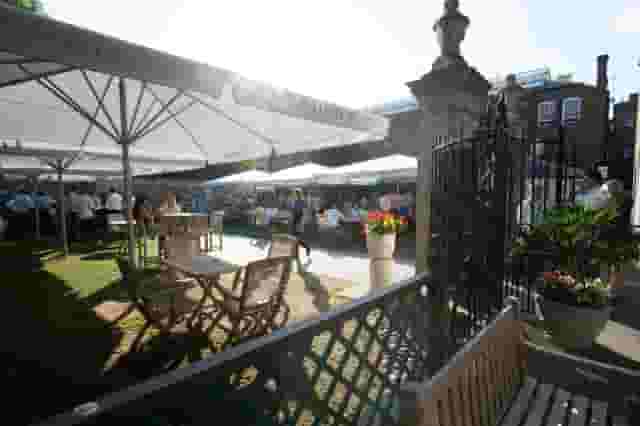
Explore beautiful rooftops in London suitable for events with 200 guests.
42 Rooftops in venues in London









































































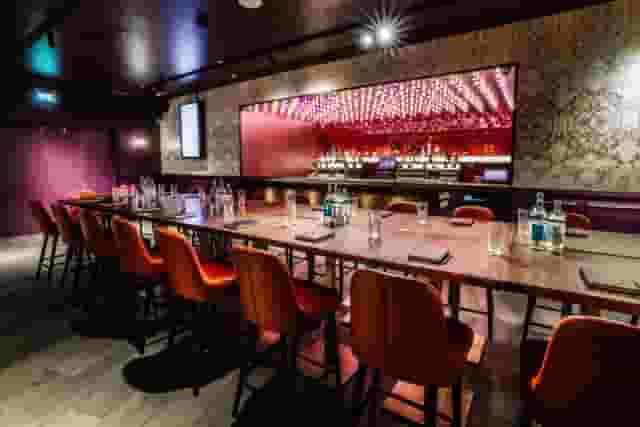
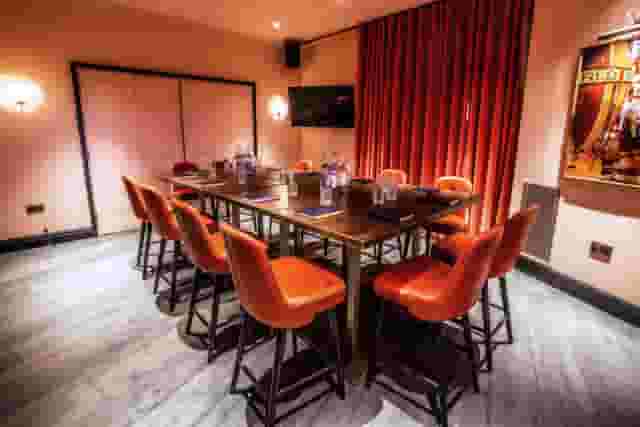
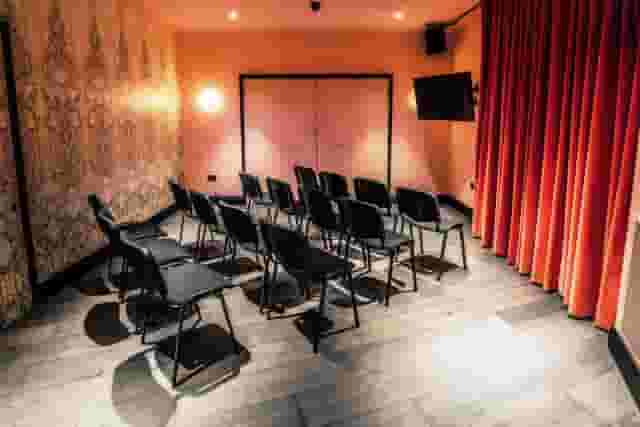
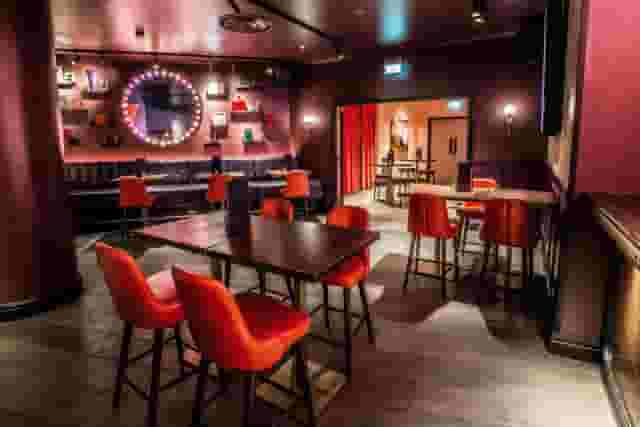















































No venues match these filters
Try widening your capacity, luxury level or event type.
Don't have time to search? We'll find it for you.
For business events that need human judgement, talk to our team. Free for events of 100+ people, budgets over £10k or ongoing programmes.


Explore more venues in London


















Other platforms search their database. We search everything.
Tell us what you need. Our deep research finds any venue, whether it's in our marketplace or not. No one else does this.
About Rooftops in London
Why London's Rooftop Scene is Perfect for Your 200-Guest Event (And What Makes It Different)
There's something magical about watching 200 guests network against the backdrop of London's skyline – and frankly, no other city quite delivers this combination of accessibility, infrastructure, and sheer visual impact. After organising countless rooftop events across the capital, we've seen firsthand why London's elevated venues consistently outperform ground-level alternatives for mid-sized corporate gatherings.
The numbers tell a compelling story. London boasts over 50 dedicated rooftop venues capable of hosting 200+ guests, with spaces like Century Club's Soho Roof Terrace and Johnson Roof Terrace leading the charge. What sets these apart isn't just the views – it's the sophisticated infrastructure that's been purpose-built for events of this scale. We're talking about venues with 63A three-phase power supplies, enterprise-grade Wi-Fi, and retractable glass roofs that can adapt to London's famously unpredictable weather.
The London Advantage: Transport and Timing
Here's where London truly shines for 200-person events. Your guests can reach venues like those near King's Cross or Liverpool Street within 25 minutes from anywhere in central London. Compare this to other European capitals, where transport logistics for large groups become a genuine headache. The Tube's reliability means you can confidently schedule evening events knowing your attendees won't be stuck in traffic.
What's particularly clever about London's rooftop scene is how venues have adapted to corporate needs. Many now offer Away Day Activities integration, allowing you to seamlessly blend team-building with networking. We've seen companies combine morning workshops with evening rooftop receptions, creating memorable multi-phase events.
The Infrastructure That Makes It Work
The technical capabilities are genuinely impressive. Most 200-capacity rooftops now feature dedicated AV control rooms, professional PA systems, and staging areas that can handle everything from product launches to awards ceremonies. The investment in infrastructure means you're not just hiring a pretty view – you're accessing venues that rival traditional conference centres for functionality.
For context, expect venue hire costs between £5,000-£15,000 for premium spaces, with super luxury options reaching £20,000+. Yes, it's a significant investment, but when you factor in the impact on attendee engagement and the natural networking opportunities these elevated spaces create, the ROI often justifies the premium.
The key is understanding that London's rooftop venues aren't just about the Instagram moment – they're sophisticated event spaces that happen to offer spectacular views. That combination is what makes them perfect for your 200-guest event.
The Essential Planning Timeline: What You Need to Know 6 Months Before Your Rooftop Event
Here's the reality about rooftop event planning that most people discover too late: the venues that can genuinely accommodate 200 guests with proper infrastructure are booked solid 6-8 months in advance, particularly for those coveted May through September slots. We've watched too many event planners scramble at the three-month mark, only to find themselves choosing between subpar venues or eye-watering last-minute premiums.
The smart money starts planning in January for summer events. Why? Because London's premium rooftop venues – those with the 150-250m² footprint needed for 200 standing guests – operate on what we call the "corporate calendar cycle." Major companies lock in their summer networking events, product launches, and client entertainment dates right after Christmas. By February, you're already competing for the remaining prime slots.
The 6-Month Checkpoint: Securing Your Foundation
Six months out, your priority isn't just booking the venue – it's securing the entire ecosystem. Start with your shortlist of 3-4 venues that can handle your capacity requirements. Look for spaces with retractable roofs or substantial covered areas; London's weather means you need flexibility. Century Club's Soho Roof Terrace, for instance, can pivot from open-air to enclosed within 30 minutes – that's the kind of adaptability that saves events.
At this stage, you should also be locking in your key suppliers. The catering companies experienced with rooftop logistics (think crane access for equipment, wind-resistant setups) get booked early. We typically recommend securing three quotes from caterers who've worked your specific venue before – their familiarity with the space's quirks can save you thousands in setup complications.
The Licensing and Permissions Dance
Here's where many planners stumble: rooftop venues often require additional permissions beyond standard premises licenses. If you're planning amplified music past 10pm or expecting more than your venue's standard capacity, you'll need Temporary Event Notices (TENs). The application process takes 10 working days minimum, but councils often request additional documentation for rooftop events due to noise considerations.
For 200-person events, you'll also need to coordinate with local authorities about crowd management plans. This isn't bureaucratic box-ticking – it's essential for venues in areas like Shoreditch or Southbank where street access can become congested.
The golden rule? Start your venue search 8 months out, confirm bookings at 6 months, and have all licensing sorted by 4 months. This timeline gives you breathing room for the inevitable complications and ensures you're not paying panic premiums. Your future self will thank you when you're sipping champagne on your perfectly planned rooftop while other planners are still frantically making phone calls.
Weather, Logistics and Safety: Managing the Unique Challenges of 200-Person Rooftop Events
Let's be brutally honest about rooftop events: Mother Nature doesn't care about your meticulously planned timeline, and London's weather can turn a £15,000 celebration into a soggy disaster faster than you can say "unexpected downpour." After managing dozens of 200-person rooftop events, we've learned that successful outdoor entertaining isn't about hoping for perfect weather – it's about building bulletproof contingency plans that work regardless of what the sky throws at you.
The statistics are sobering: London experiences measurable rainfall on 156 days per year, with wind speeds regularly exceeding 25mph during autumn and winter months. For a 200-person rooftop event, these aren't just inconveniences – they're potential safety hazards that require serious planning. We've seen events where 30mph gusts turned elegant table settings into projectiles, and sudden temperature drops left guests shivering despite outdoor heaters rated for much smaller crowds.
The Weather Reality Check: Planning for London's Unpredictability
Your venue's retractable roof system becomes absolutely critical when hosting 200 guests. Spaces like Century Club's Soho Roof Terrace can transition from open-air to enclosed, but the logistics of moving 200 people during weather changes require choreographed precision. You need designated weather watchers monitoring forecasts 48 hours before your event, with clear protocols for when to make the call.
Here's what most planners miss: heating requirements scale exponentially with guest numbers. A 200-person rooftop needs approximately 15-20 commercial-grade patio heaters to maintain comfortable temperatures during shoulder seasons. That's a significant power draw – ensure your venue's electrical infrastructure can handle the load alongside your AV equipment and catering needs.
Safety Protocols That Actually Work
Wind is your biggest enemy at elevation. Any decorative elements, signage, or temporary structures need to be rated for sustained winds of at least 40mph. We've learned to avoid tall centrepieces entirely and secure everything that isn't nailed down. For 200 guests, you'll need clear evacuation routes that can handle crowd flow – narrow rooftop access points become bottlenecks during emergencies.
The load-bearing calculations are crucial too. Your venue should support at least 5 kN/m² live load, but factor in additional weight from wet weather gear, umbrellas, and the tendency for guests to cluster in covered areas during poor weather. Professional structural assessments aren't just recommended – they're essential for events of this scale.
Consider integrating your rooftop event with Away Day Activities that can seamlessly move indoors if weather turns. The key is having backup plans that feel intentional, not desperate. Your guests should never feel like they're experiencing Plan B – they should feel like they're part of a perfectly orchestrated experience, rain or shine.
Understanding Rooftop Venue Costs in London: From Hidden Fees to Smart Negotiation Strategies
The moment you start budgeting for a 200-person rooftop event in London, you'll quickly discover that the advertised venue hire fee is just the tip of the iceberg. We've seen too many event planners get blindsided by costs that can easily double their initial budget – and frankly, it's the hidden fees and mandatory add-ons that separate the rookies from the seasoned professionals.
Let's start with the baseline reality: premium rooftop venues in central London typically charge £5,000-£15,000 for venue hire alone, with super luxury spaces pushing £20,000+. But here's what the brochures don't tell you – that's before you factor in the essential infrastructure costs that make rooftop events actually work for 200 guests.
The Hidden Cost Multipliers You Need to Know
Power upgrades are often the first surprise. Most rooftop venues quote their basic electrical capacity, but 200 guests require serious infrastructure: professional lighting rigs, multiple bar setups, AV equipment, and those crucial outdoor heaters. Expect to pay £800-£1,500 extra for temporary power distribution that can handle the load safely. We've seen venues charge £200 per additional heater beyond their standard allocation – and trust us, you'll need at least 15-20 units for proper coverage.
Weather contingency costs are where many budgets go sideways. Retractable roof operation isn't always included in the base hire fee. Some venues charge £500-£1,000 for weather-related setup changes, plus additional staffing costs if your event requires rapid transitions between indoor and outdoor configurations.
Then there's the logistics premium. Rooftop access means everything – from catering equipment to floral arrangements – needs special handling. Crane hire for large items can cost £1,200-£2,000 per day, and many venues mandate their preferred suppliers who understand the access limitations. It's frustrating, but fighting this usually costs more than compliance.
Smart Negotiation Strategies That Actually Work
Here's where experience pays dividends: negotiate package deals rather than line items. Venues prefer predictable revenue, so bundling your AV, furniture, and basic catering often yields better rates than piecemeal pricing. We've secured 15-20% savings by committing to comprehensive packages, especially for off-peak dates.
Timing is everything for negotiations. Book Tuesday-Thursday events and you'll find venues much more flexible on pricing. Similarly, shoulder season bookings (April, October) can save £3,000-£5,000 compared to peak summer rates.
Consider venues that complement company retreats or can integrate with broader corporate programmes. Multi-day bookings often unlock preferential rates and waived setup fees.
The key is understanding that rooftop venues operate on premium margins but also face unique operational challenges. Approach negotiations as problem-solving partnerships rather than adversarial haggling, and you'll find most venue managers surprisingly accommodating when you demonstrate understanding of their constraints.
5 Critical Questions Every Event Planner Should Ask Before Booking a London Rooftop
After two decades of watching event planners make costly mistakes with rooftop bookings, we've distilled the most critical questions that separate successful events from expensive disasters. These aren't the obvious queries about capacity and pricing – they're the insider questions that reveal whether a venue can actually deliver on its promises for your 200-guest event.
The harsh reality is that many London rooftops look spectacular in photos but fall apart under the operational demands of large-scale events. We've seen planners commit to venues based on stunning marketing materials, only to discover on event day that the infrastructure simply can't support their needs. These five questions will save you from joining that unfortunate club.
Question 1: "What's your actual power capacity, and can you demonstrate load calculations for 200 guests?"
Don't accept vague assurances about "adequate power supply." For 200 guests, you need concrete numbers: minimum 63A three-phase supply with documented load calculations. Ask to see their electrical schematics and recent PAT testing certificates. We've witnessed events where venues confidently promised sufficient power, only to have circuits trip when the full AV setup, catering equipment, and heating systems came online simultaneously.
The follow-up question is equally crucial: "What's your backup power protocol?" Premium venues should have generator backup or alternative supply arrangements. If they look confused by this question, walk away.
Question 2: "Show me your weather transition procedures and timing requirements."
This separates professional venues from amateur operations. Ask for a detailed walkthrough of how they handle weather changes with 200 guests present. Quality venues will have documented procedures, trained staff protocols, and realistic timing estimates. Century Club, for instance, can transition their space in under 30 minutes with proper advance notice.
Crucially, ask about guest management during transitions. How do they communicate changes? Where do guests wait? What's the contingency if weather deteriorates mid-event? Venues that can't answer these specifics haven't thought through the logistics properly.
Question 3: "What are your actual noise restrictions, and how do you monitor compliance?"
London's noise regulations are complex and strictly enforced, particularly for rooftop venues. Don't rely on general statements about "reasonable noise levels." Ask for specific decibel limits, monitoring equipment details, and their track record with local authorities. Some venues in areas like Shoreditch face stricter controls due to residential proximity.
The smart follow-up: "What happens if we exceed limits?" Professional venues have sound limiters and clear protocols. Amateur operations will shrug and hope for the best – a recipe for event shutdown.
Question 4: "Can you provide references from recent 200+ person events, including any challenges encountered?"
This question reveals everything about a venue's experience and honesty. Established venues will readily share references and discuss lessons learned from previous events. They'll mention specific challenges – wind issues, access complications, timing constraints – and how they've addressed them.
Red flag responses include reluctance to provide references or claims that they've "never had any problems." Every rooftop venue faces challenges; the good ones learn and adapt.
Question 5: "What's included in your emergency action plan, and who's responsible for implementation?"
For 200 guests at elevation, emergency planning isn't optional. Ask to see their written emergency procedures, evacuation routes, and staff training records. Quality venues will have designated fire marshals, clear communication systems, and coordination protocols with emergency services.
The venue should also clarify liability and insurance responsibilities. Who provides event insurance? What's covered
What our customers say
Inspiration and planning guides

The Top 3 Rooftop Venues In London
Check out three of our favourite rooftop venues in London to escape the bustle and get as close to the sun as possible (when it shows its face!).

5 Summer BBQ Party Venues
What better way to usher in the summer than a summer party in a great venue. With everything from rooftops to private gardens, discover London's best.

Good Hotel London: A (Really, Really) Good Venue
Those who remember Hire Space's very early days know that the original inspiration for breaking into the venue industry was to find uses for non-profit, charitable spaces. That's why it's great, four years on, to be humbly reminded of the original mission, and so when we come across venues [https://hirespace.com/Top/London/Unusual-Event-Venues-London] such as Good Hotel London [https://hirespace.com/Venues/London/76585/Good-Hotel-London], it truly inspires us even more. The work of the folks be
One supplier. Every venue. Full visibility on what you spend.
Multiple venues and events. One agreement.