Party Ballrooms in London
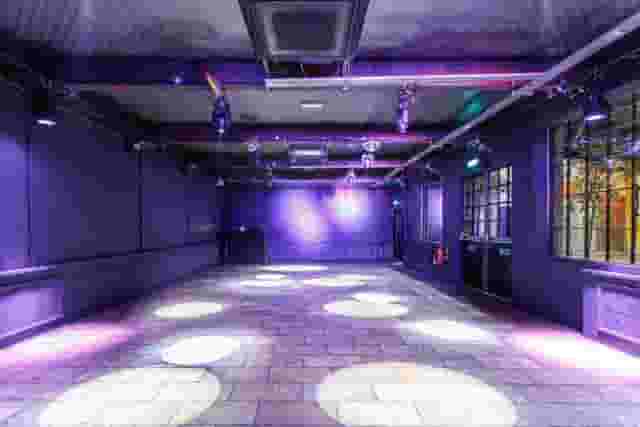
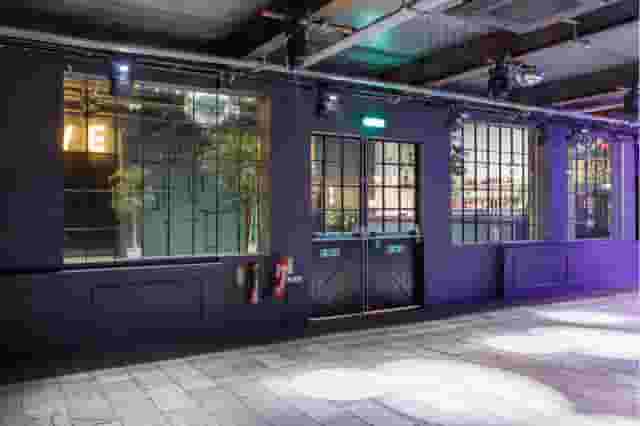
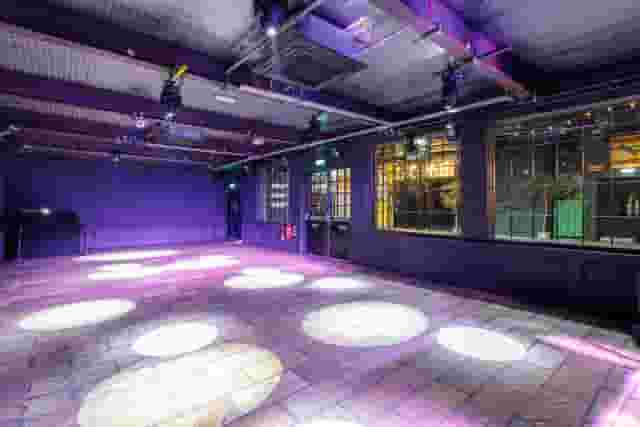
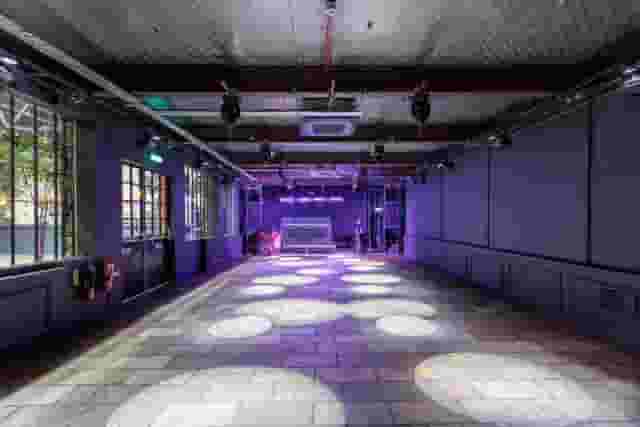
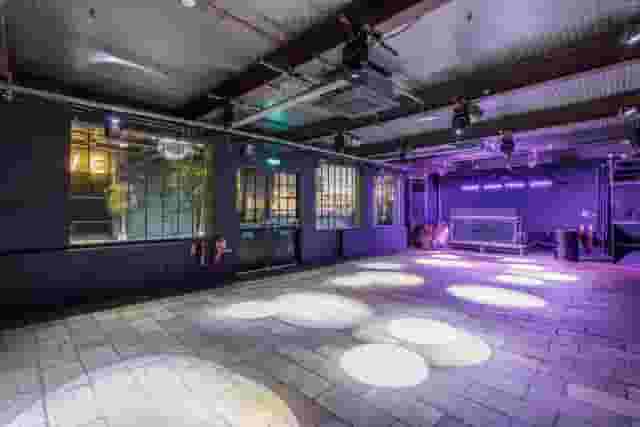
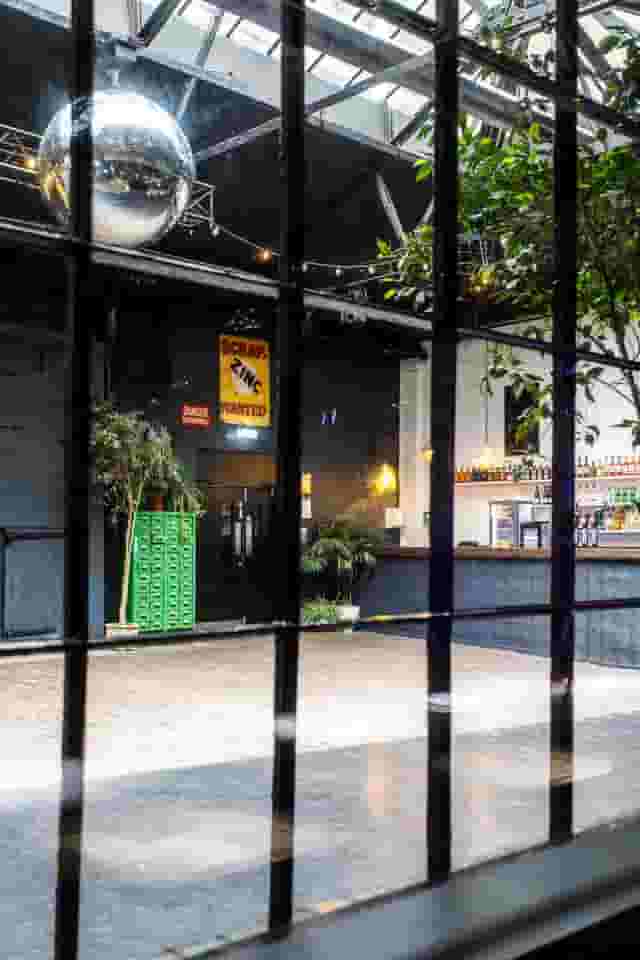
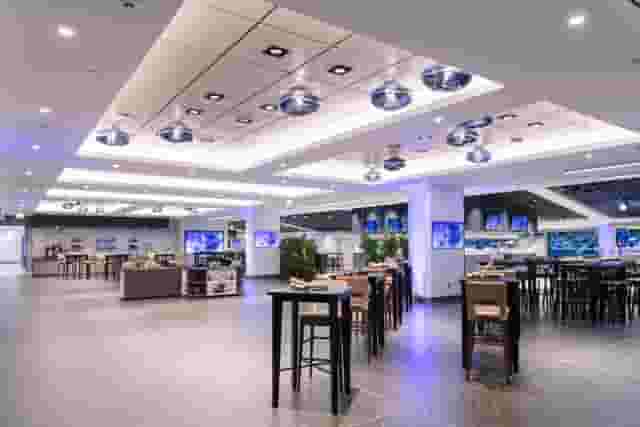
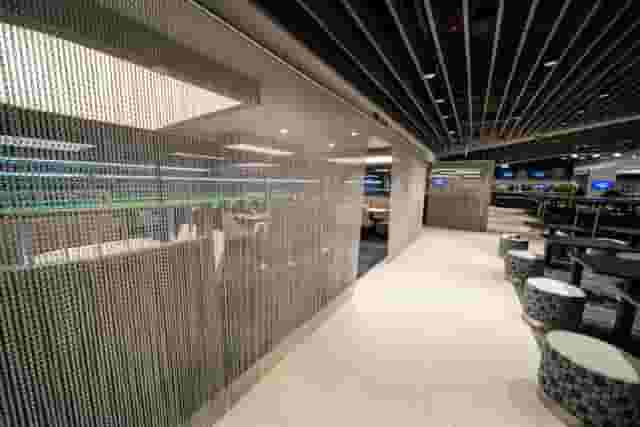
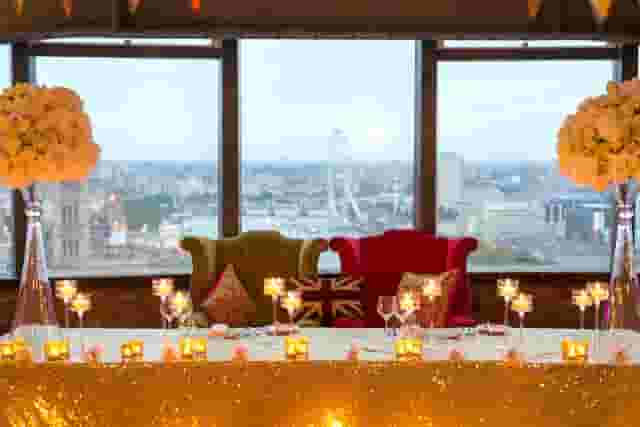
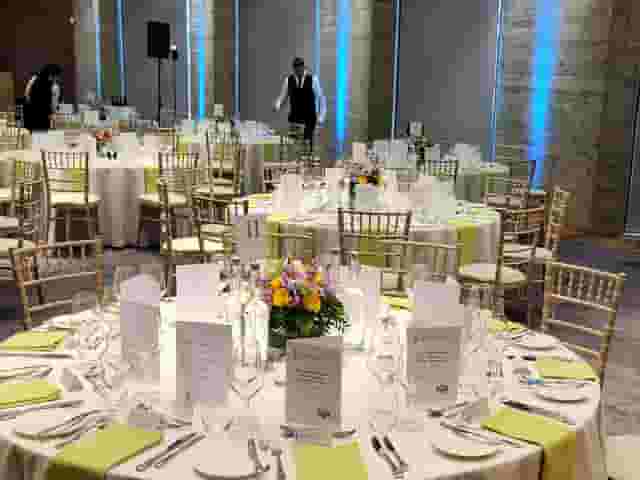
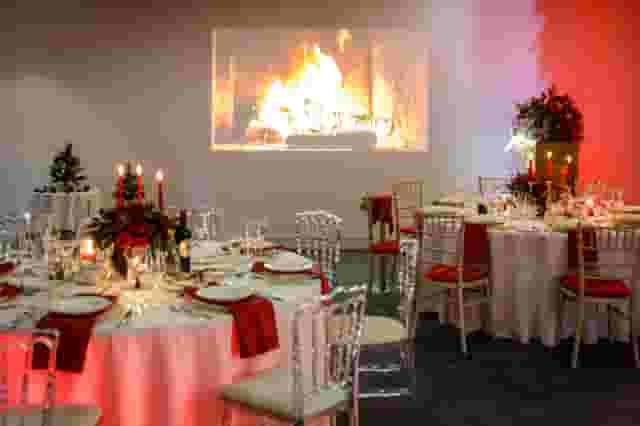
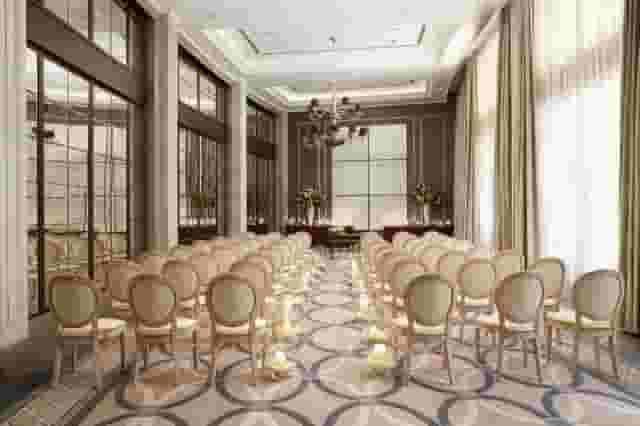
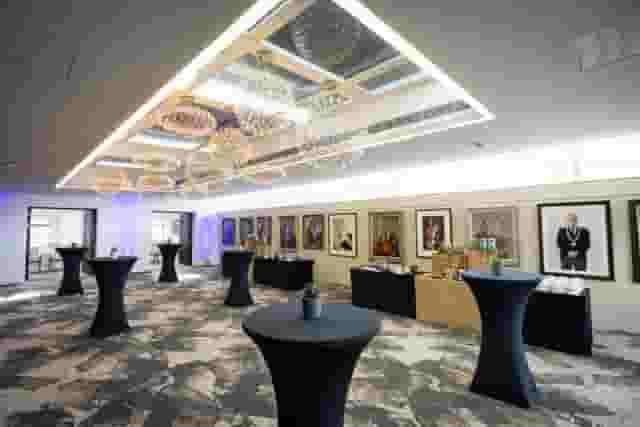
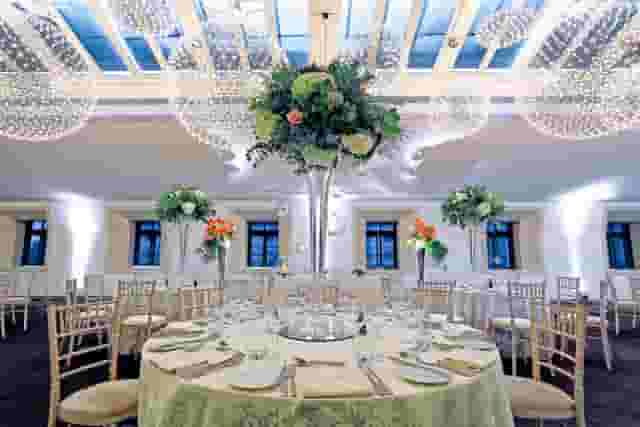
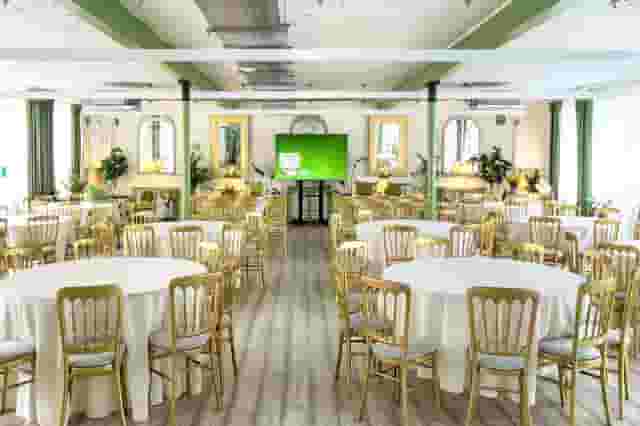
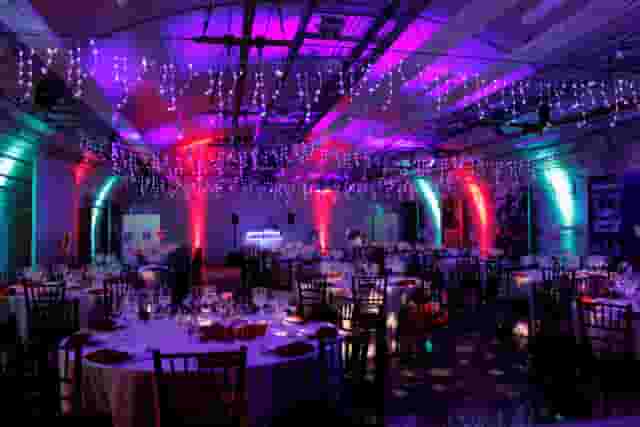
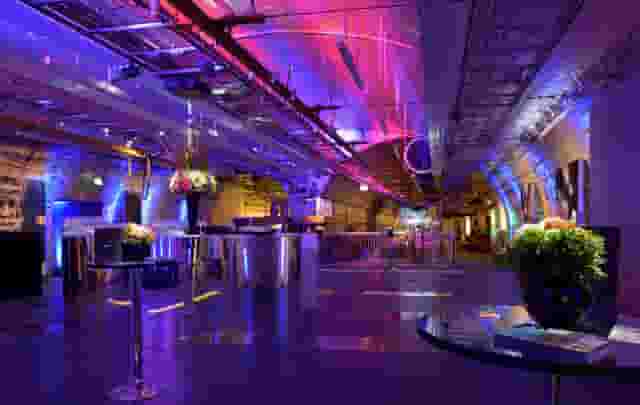
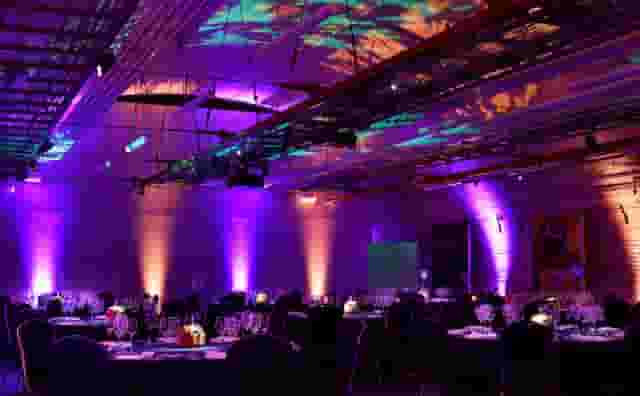
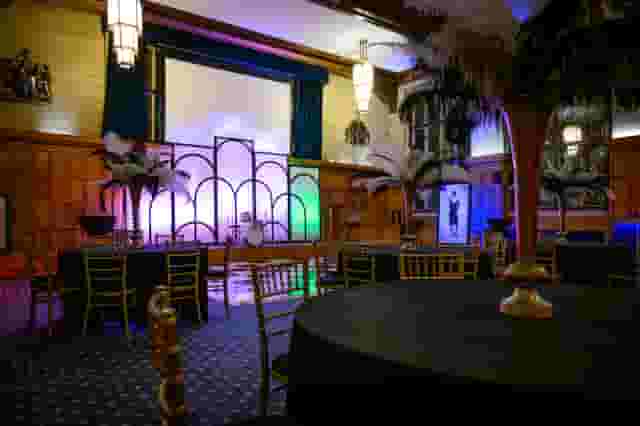
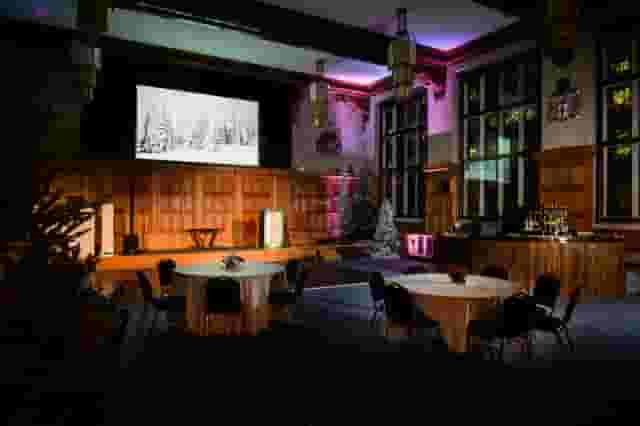
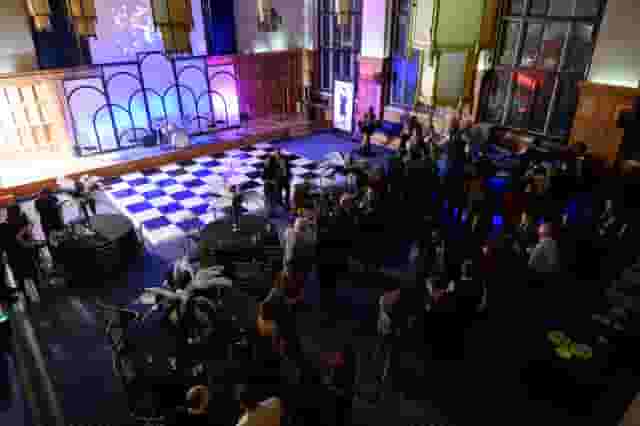
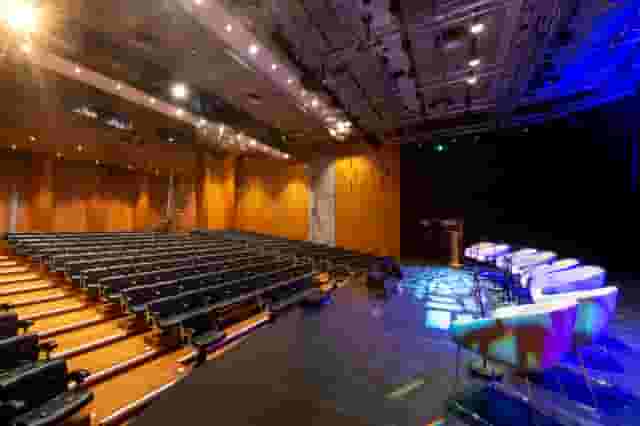
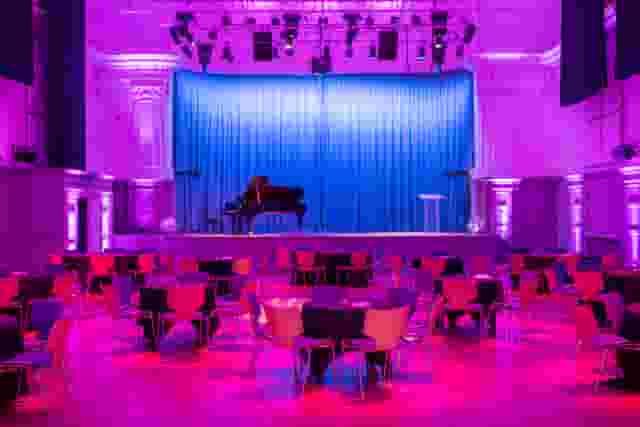
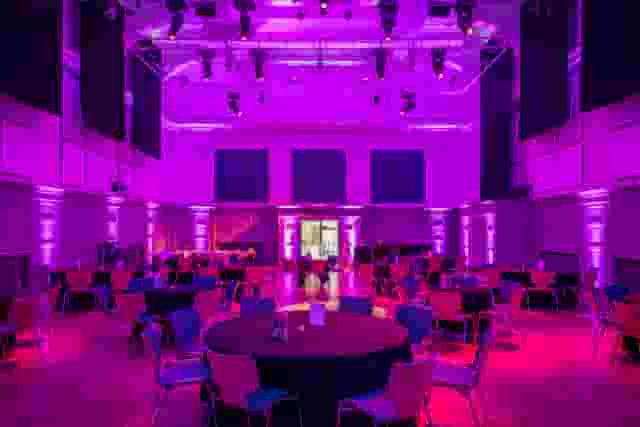
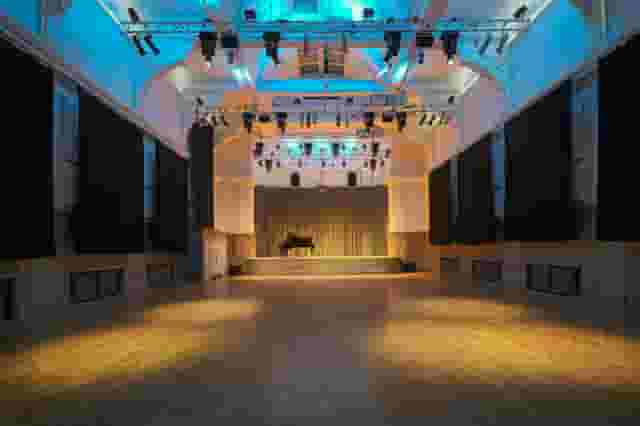
Explore stunning party ballrooms in London perfect for 100 guests.
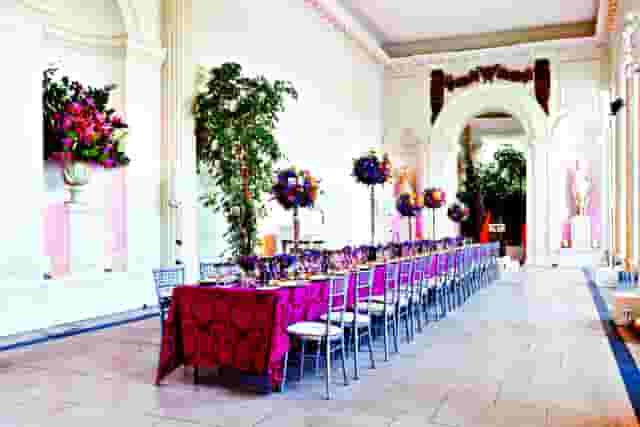
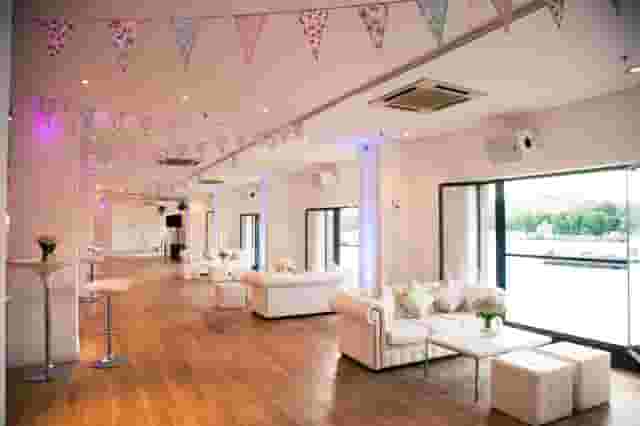
146 Party Ballrooms in venues in London



































































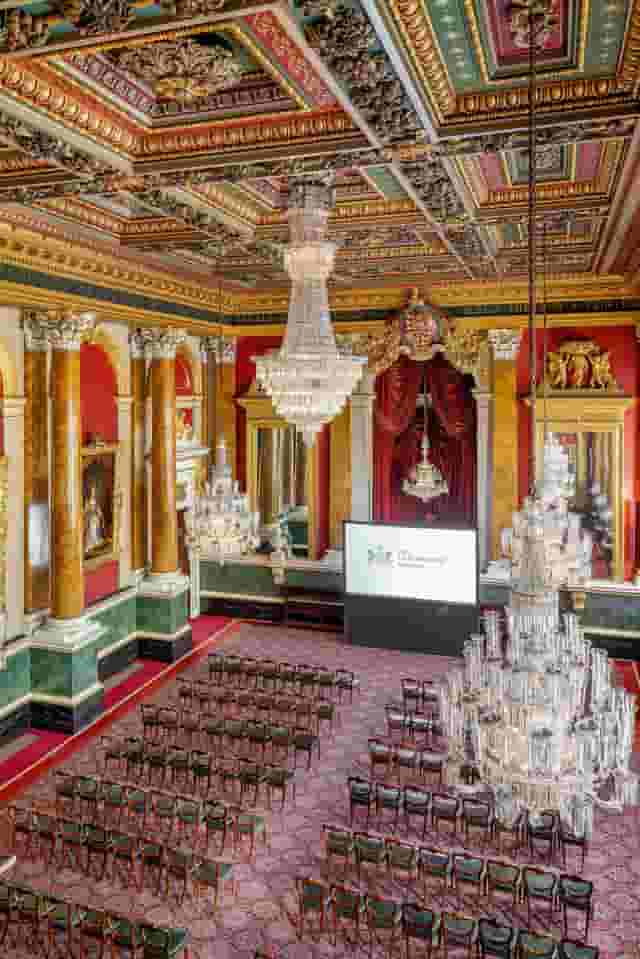
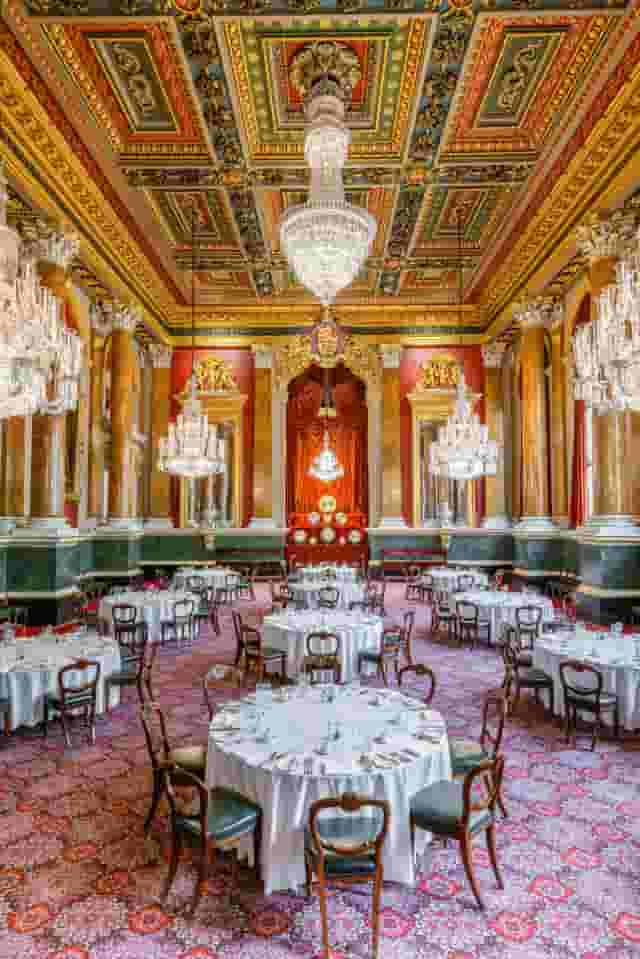

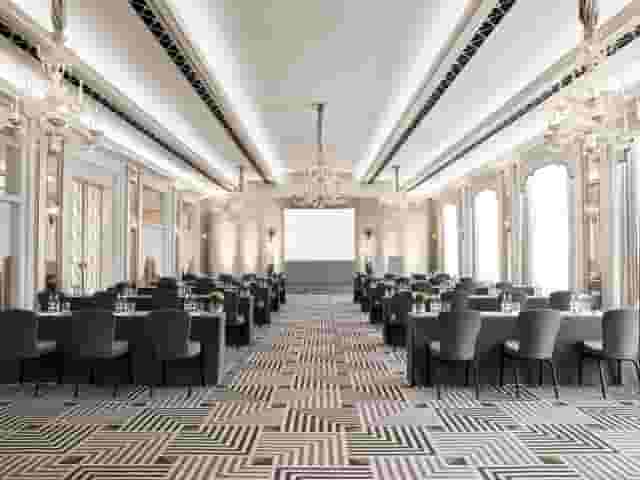


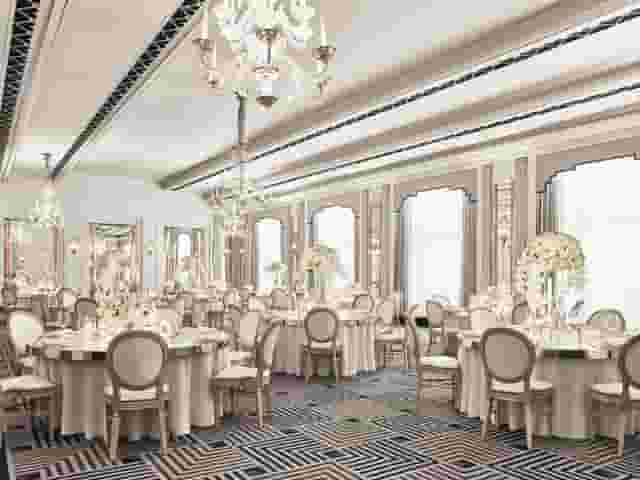































































































































































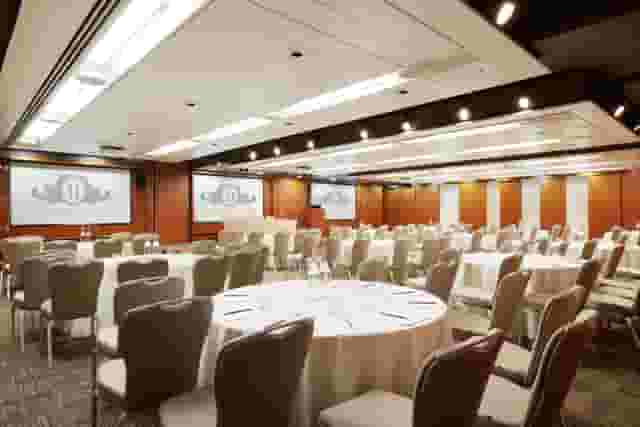

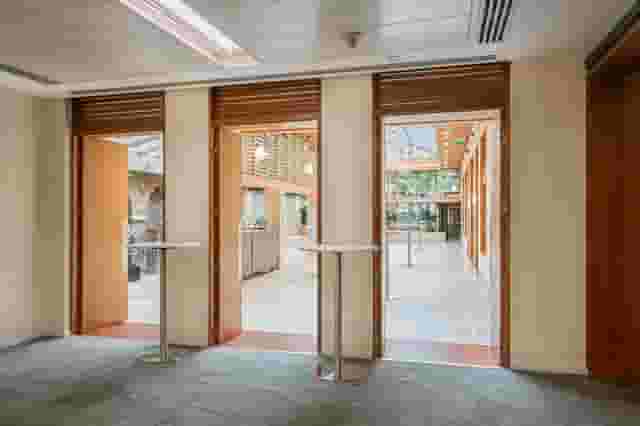
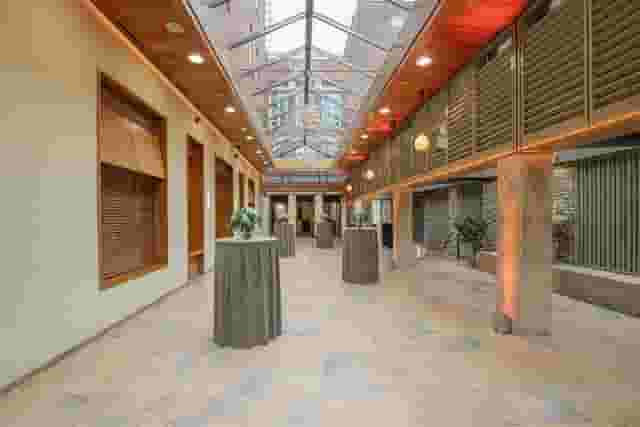


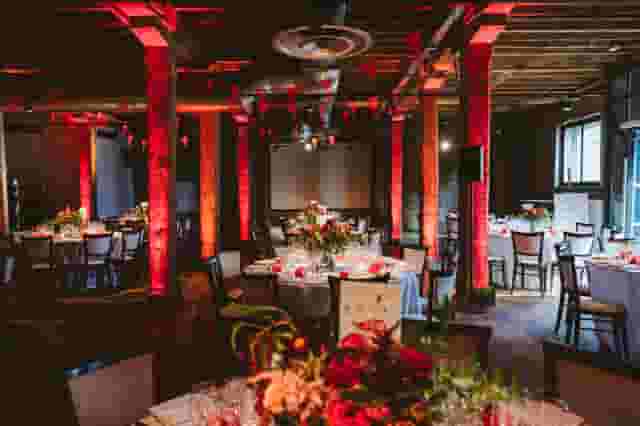


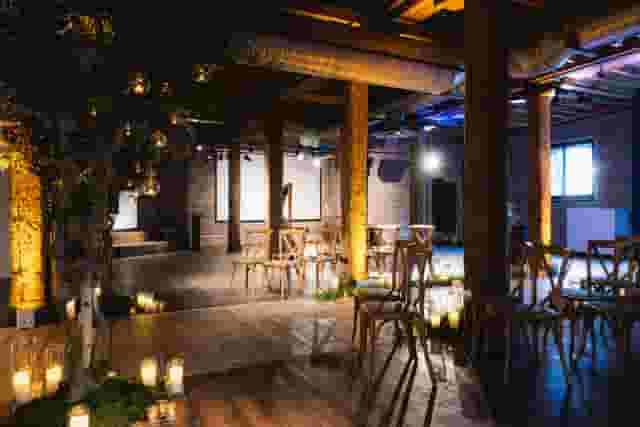

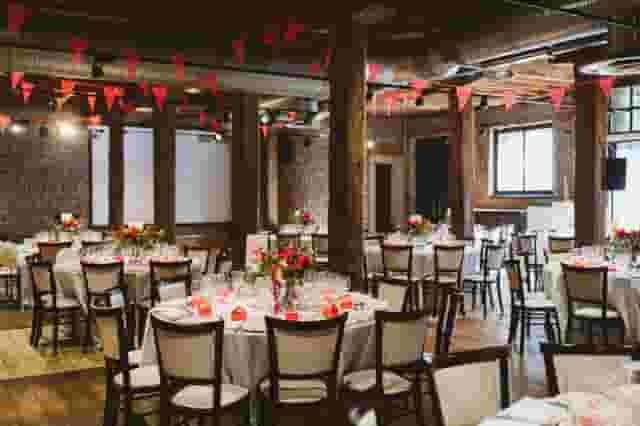


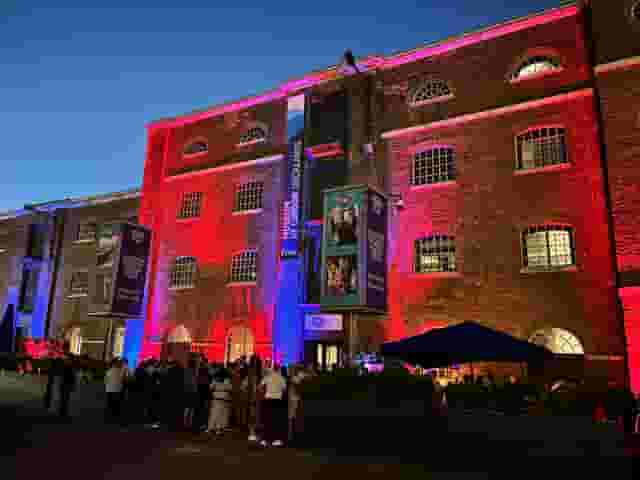
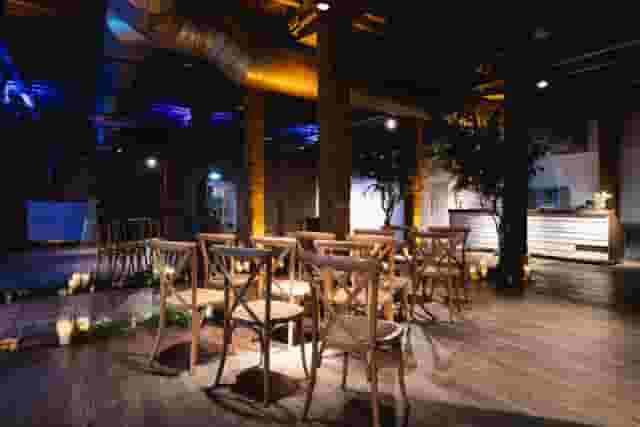
















































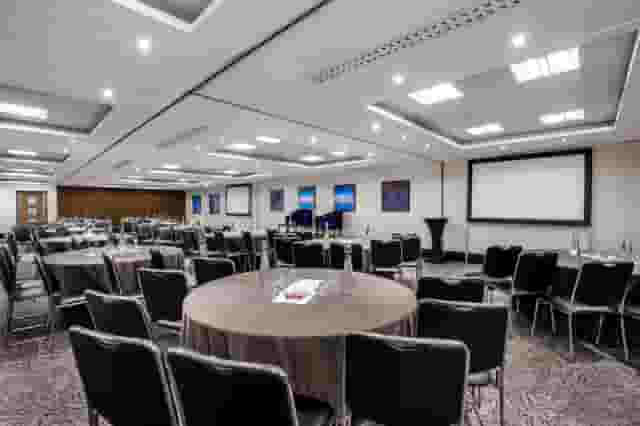


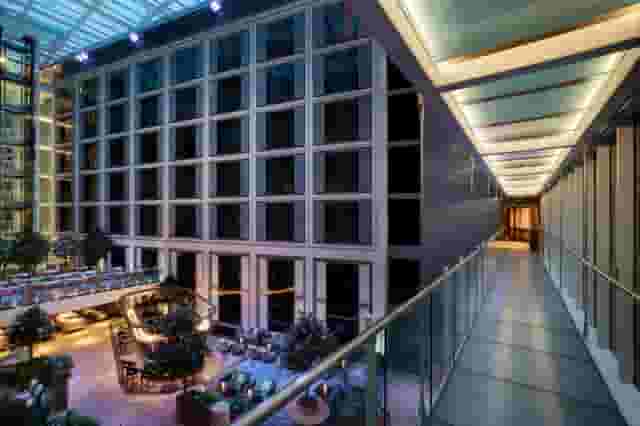


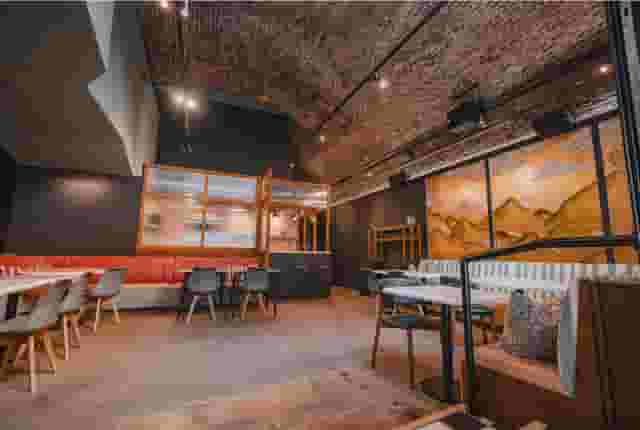
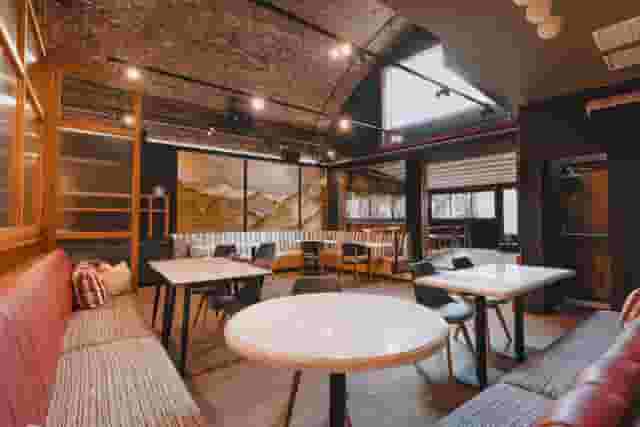









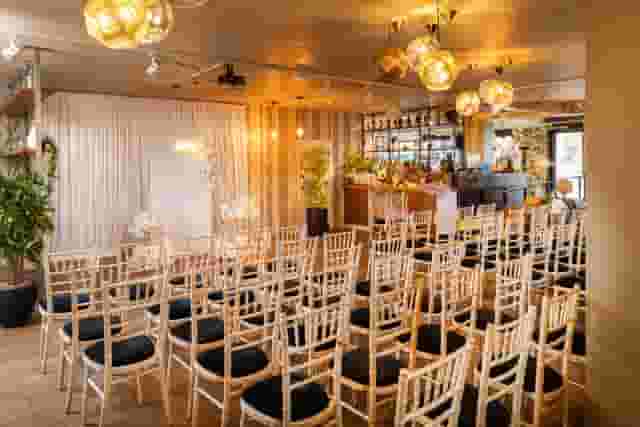



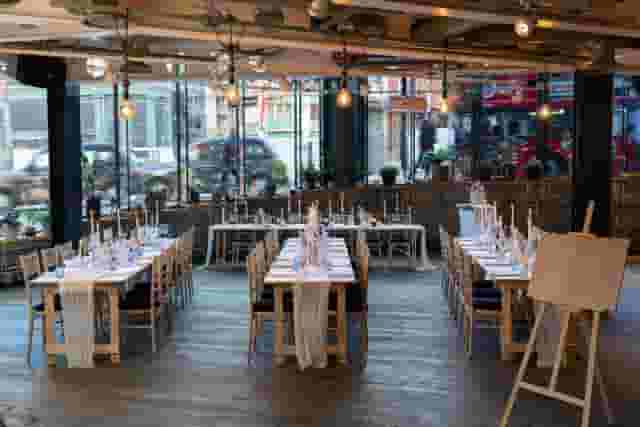
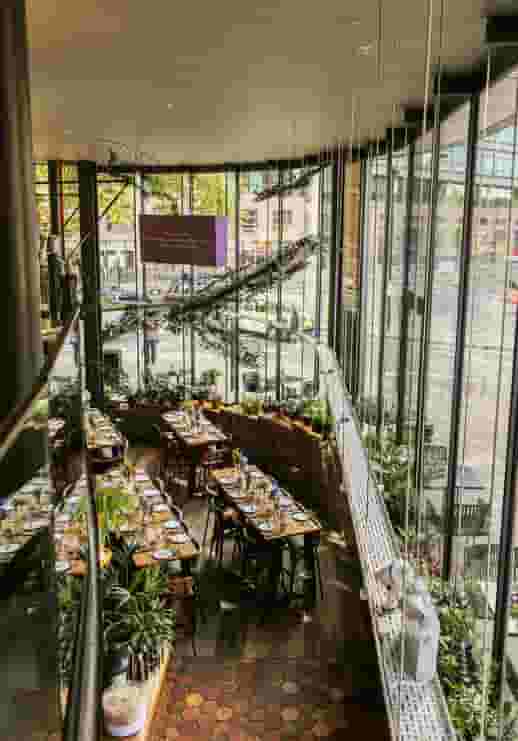

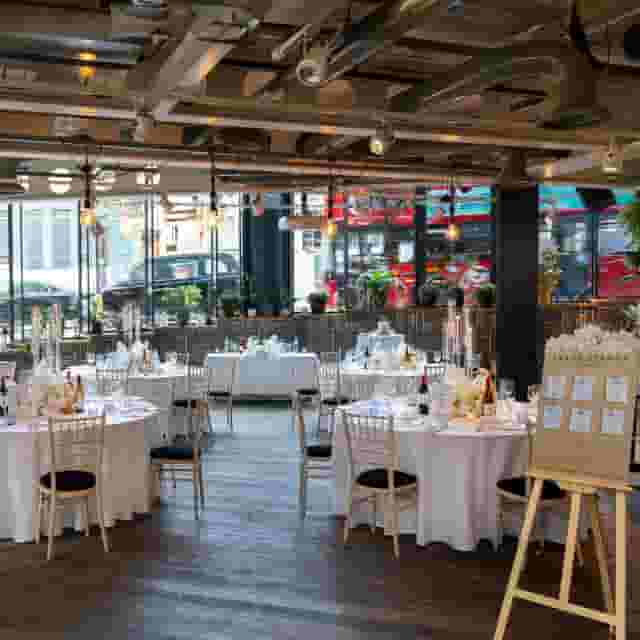




















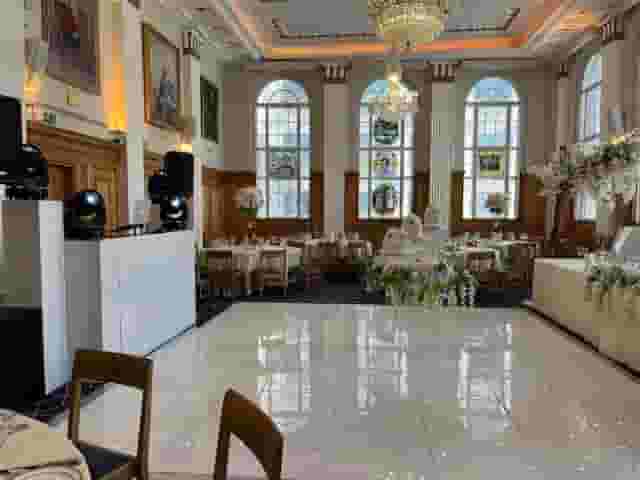
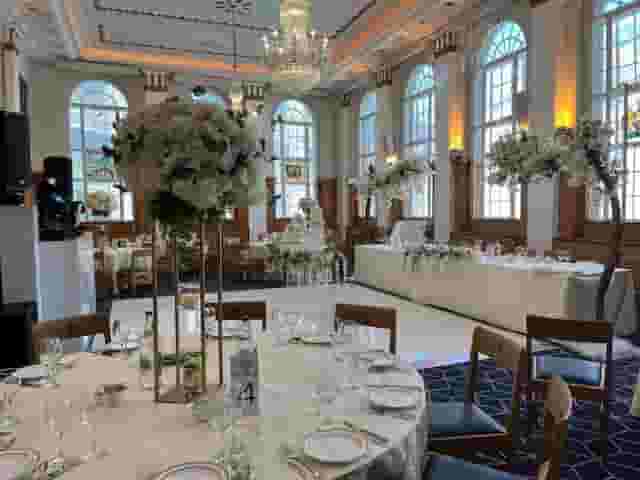
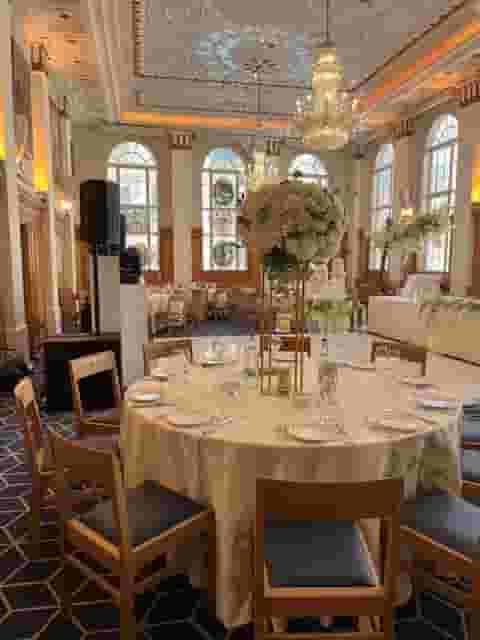

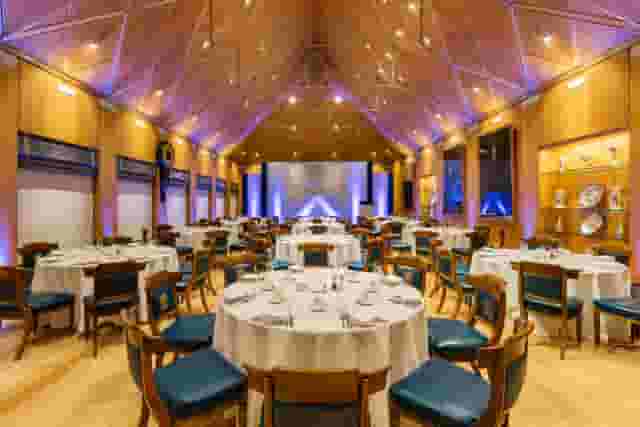





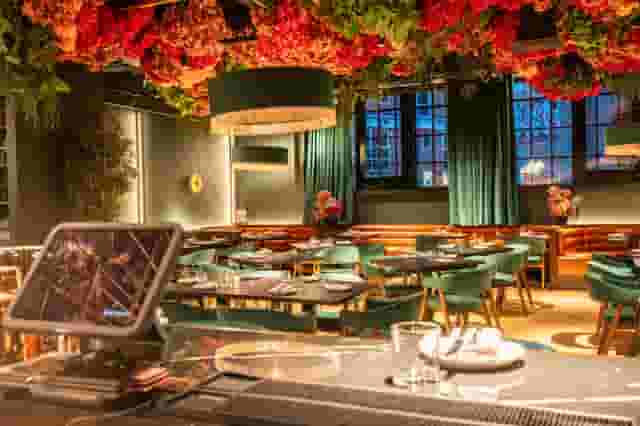

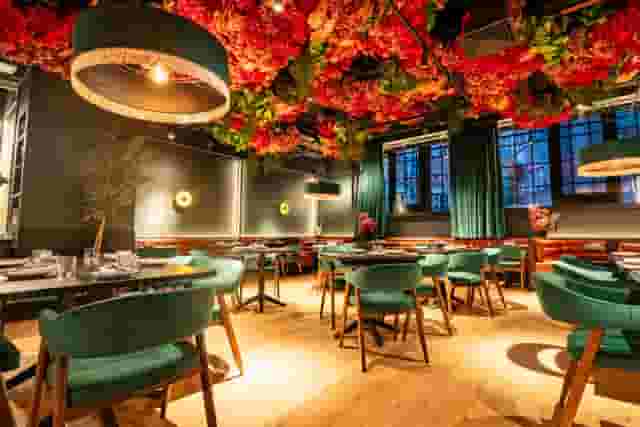
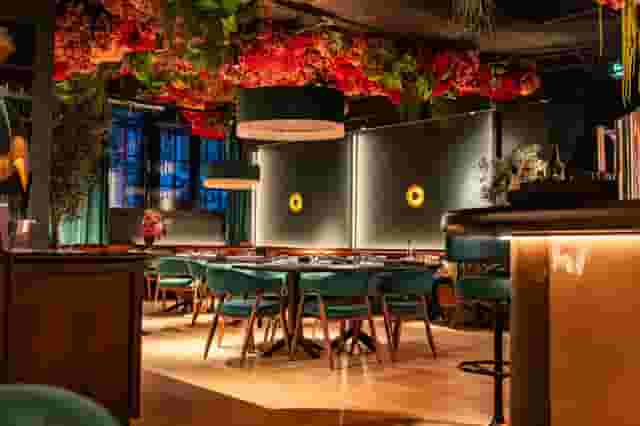

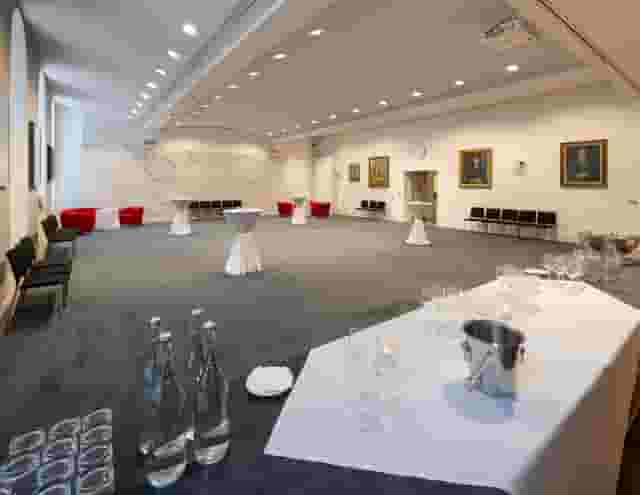




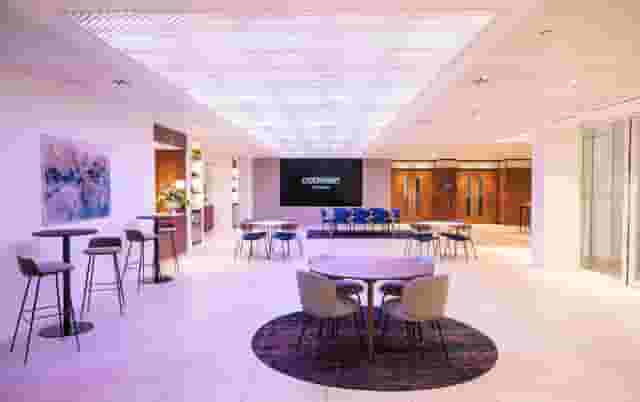
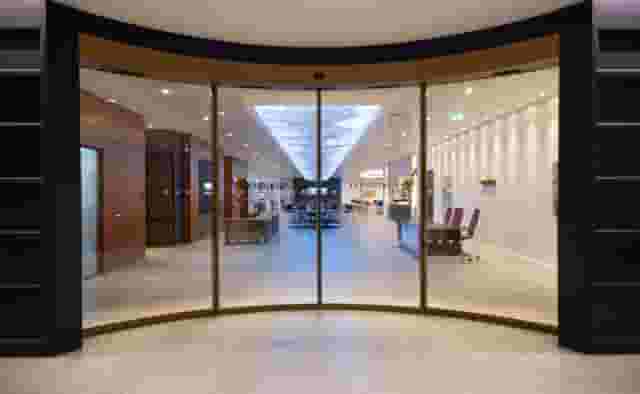
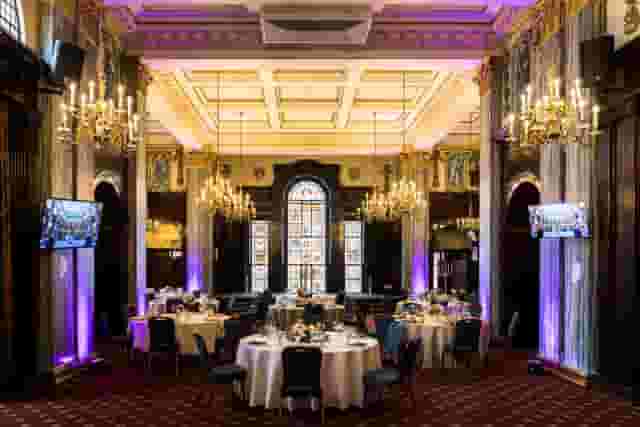

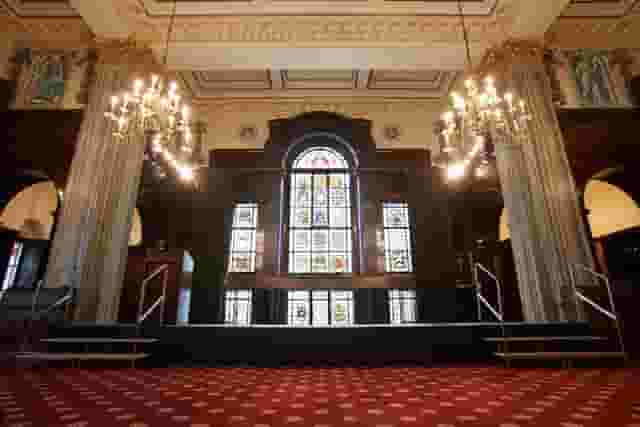
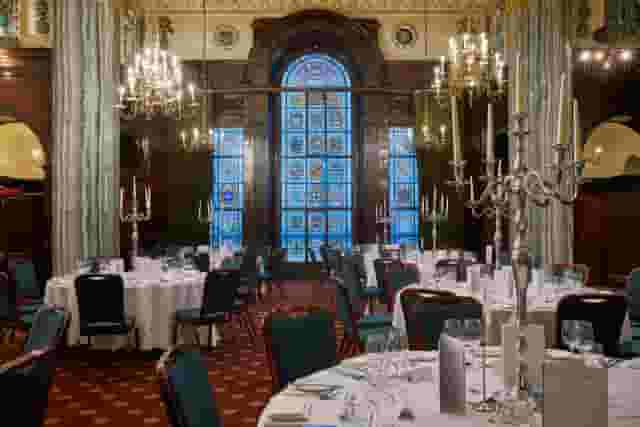
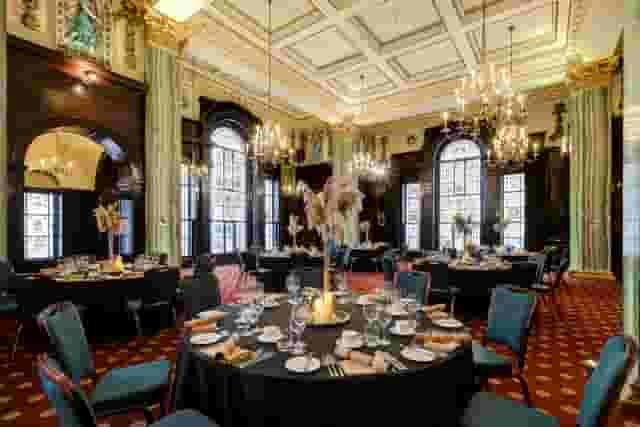
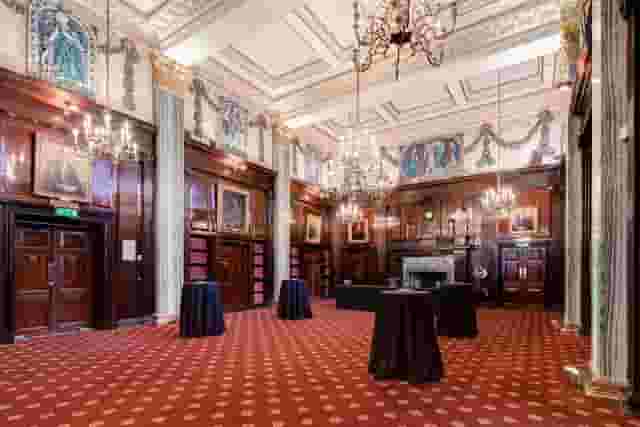
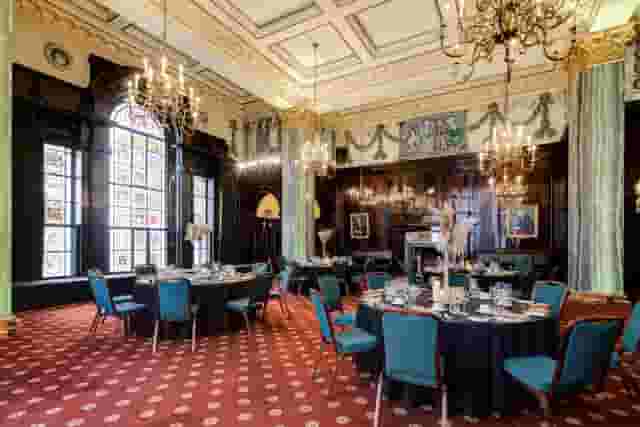







































































































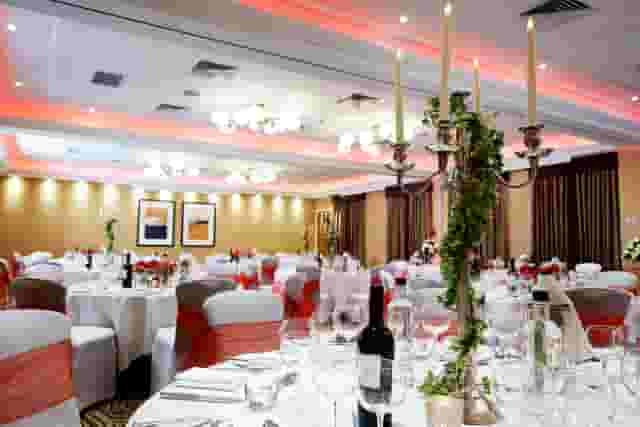


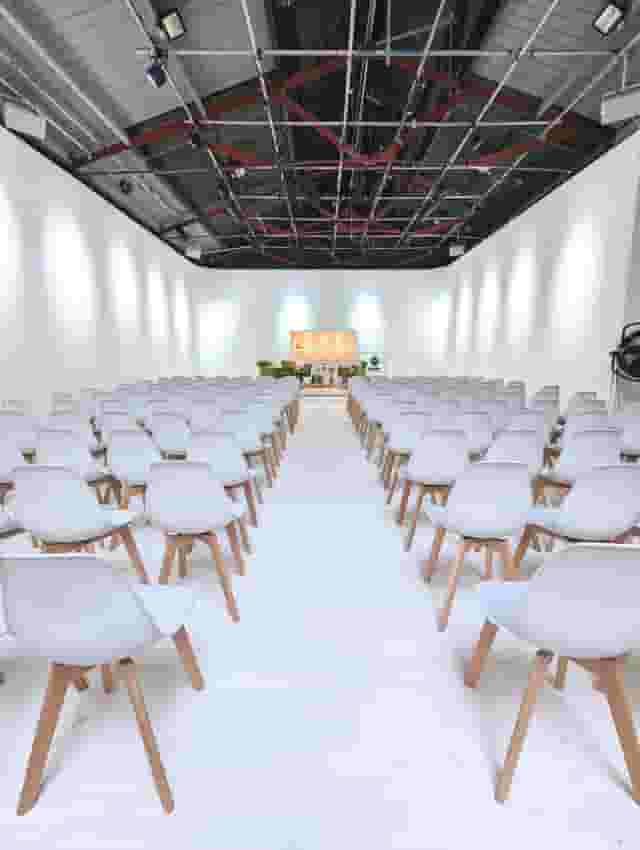
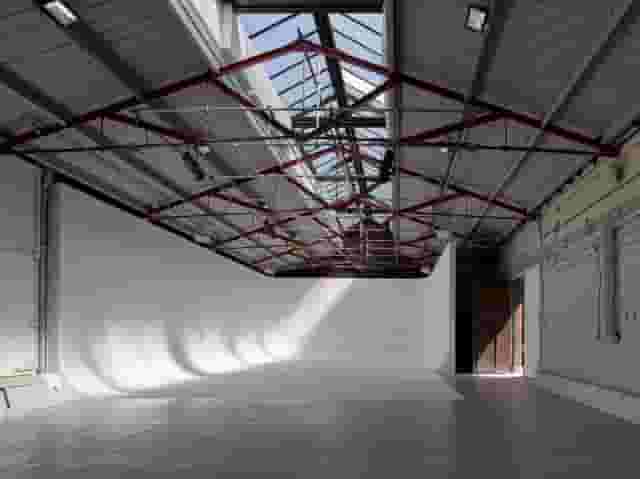

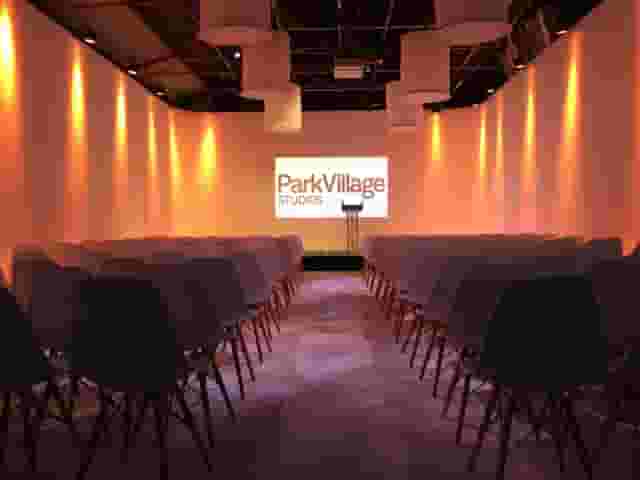











No venues match these filters
Try widening your capacity, luxury level or event type.
Don't have time to search? We'll find it for you.
For business events that need human judgement, talk to our team. Free for events of 100+ people, budgets over £10k or ongoing programmes.


Explore more venues in London



















Other platforms search their database. We search everything.
Tell us what you need. Our deep research finds any venue, whether it's in our marketplace or not. No one else does this.
About Party Ballrooms in London
Why London's Party Ballrooms Are Perfect for Your 100-Guest Celebration
When you're planning a celebration for 100 guests, London's party ballrooms offer something truly special that smaller venues simply can't match. Having organised countless events across the capital, I can tell you that the magic happens when you have that perfect balance of space, elegance, and flexibility that only a proper ballroom provides.
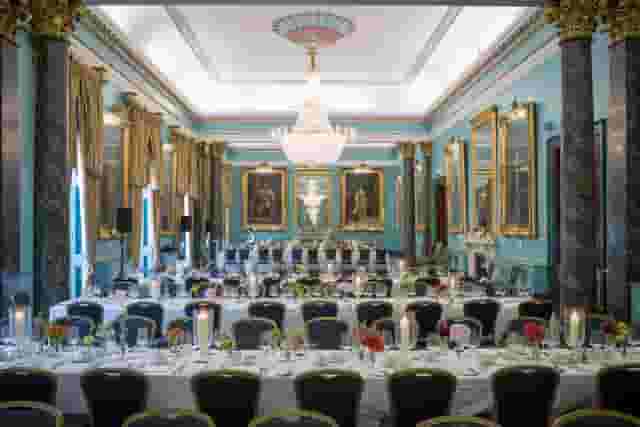
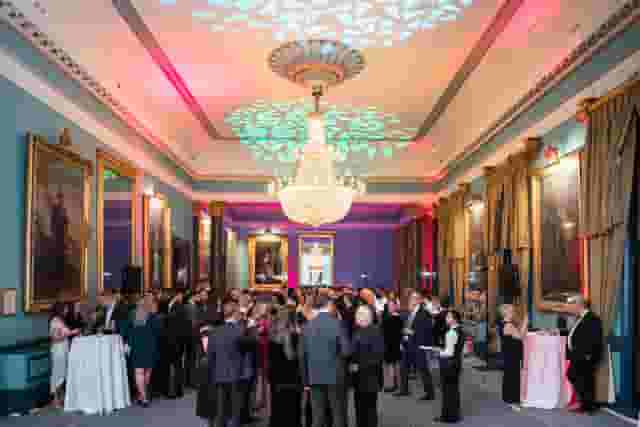
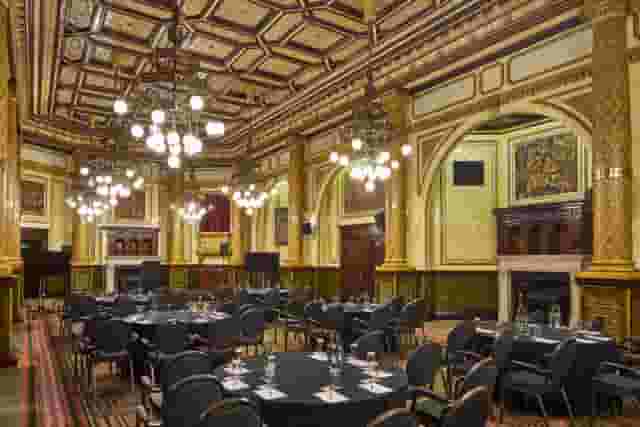
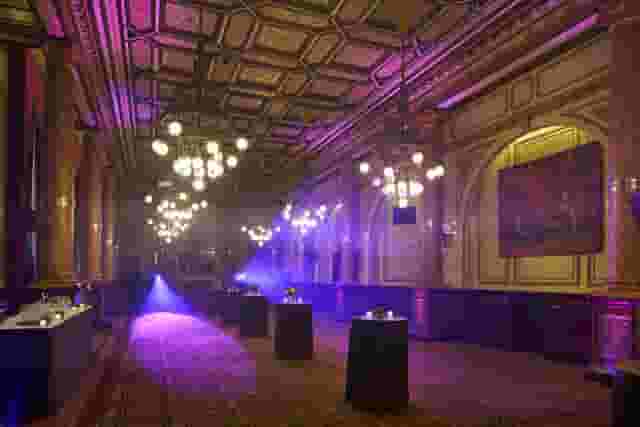
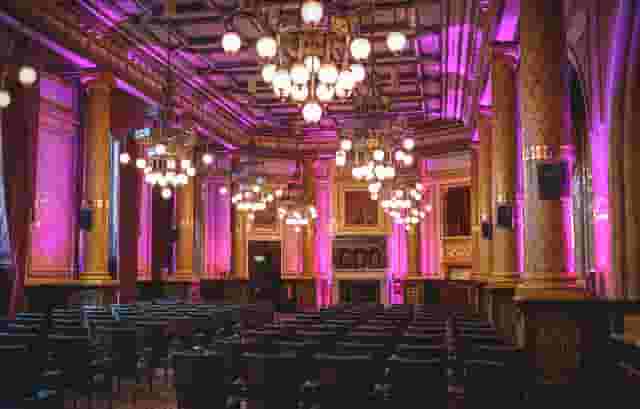
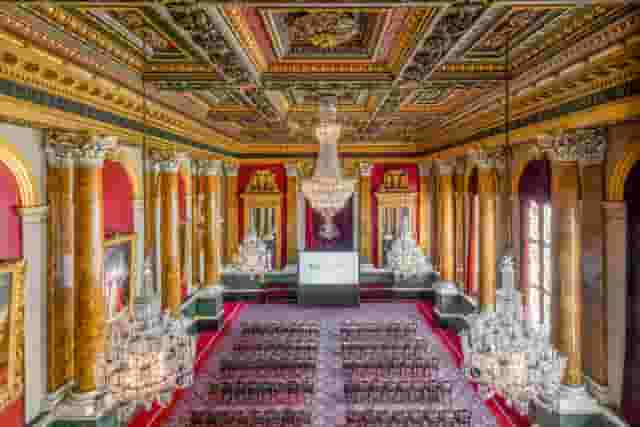
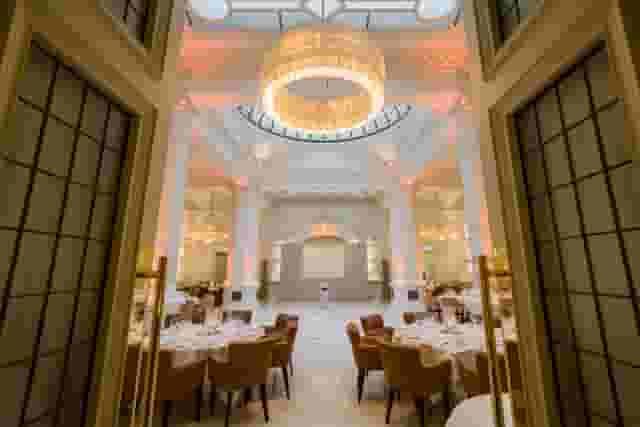
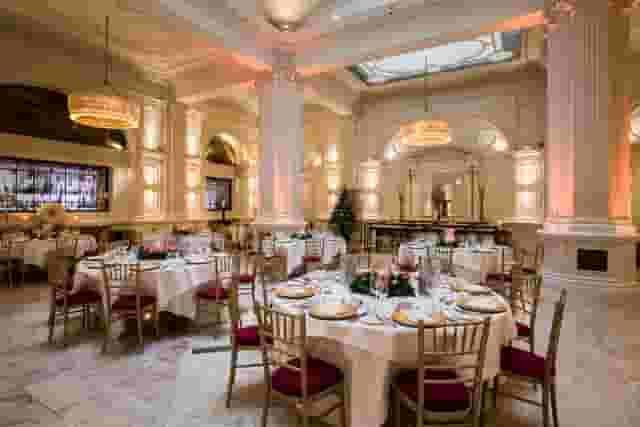
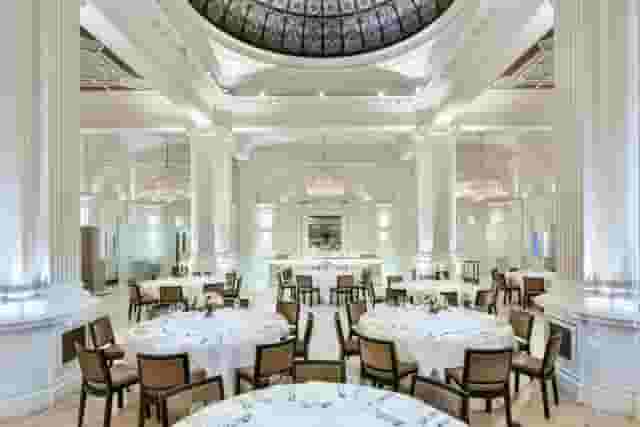
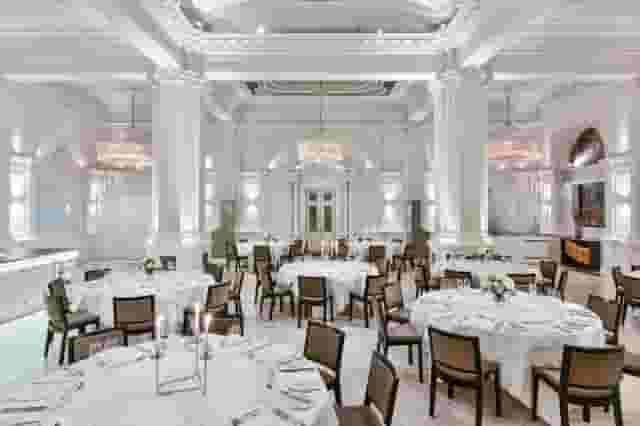
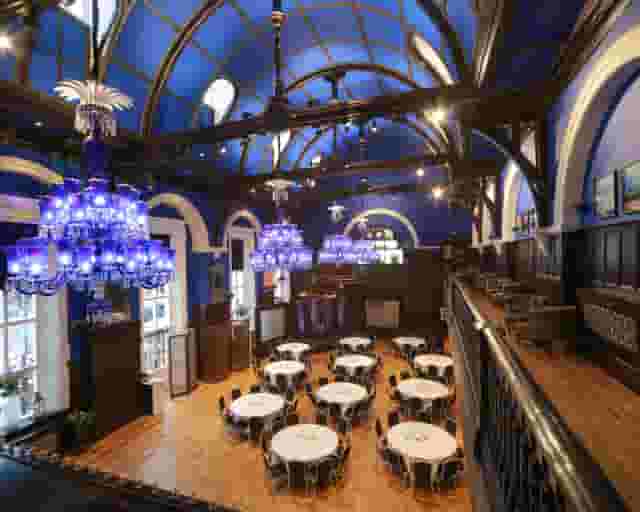
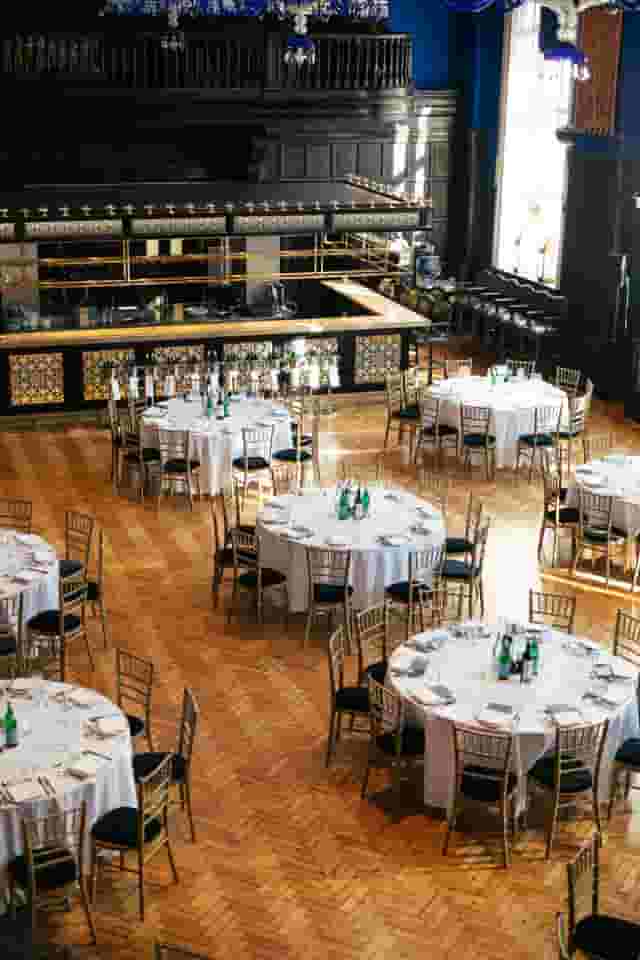
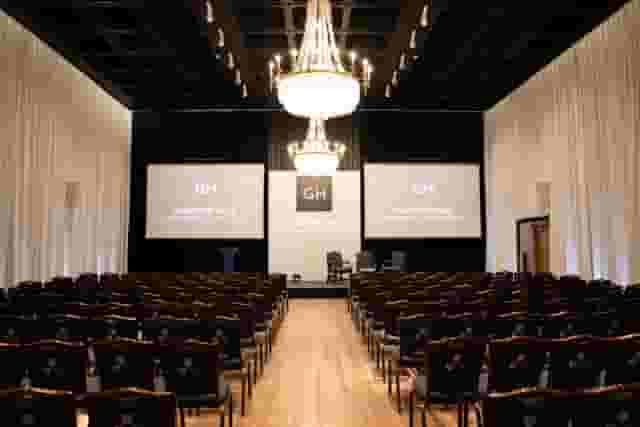
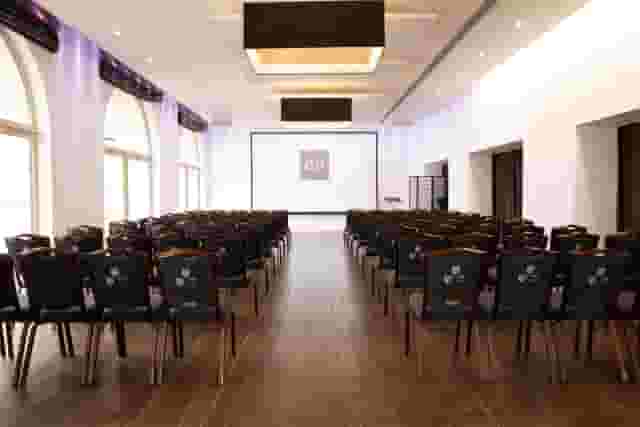
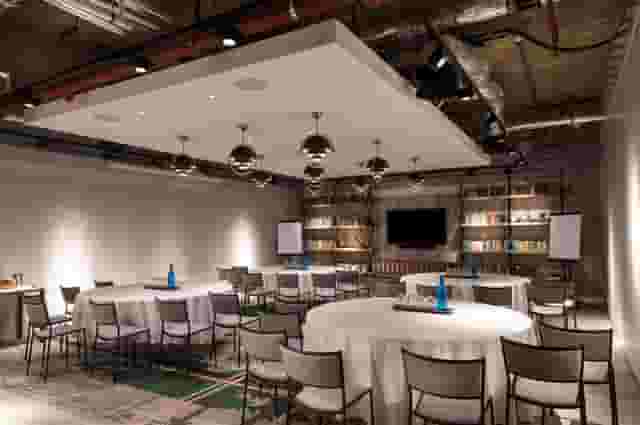
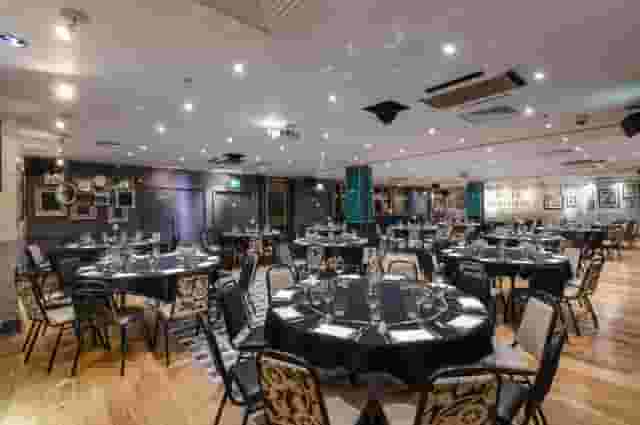
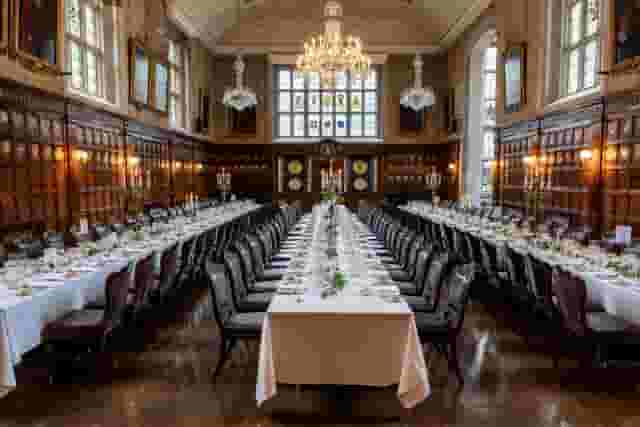
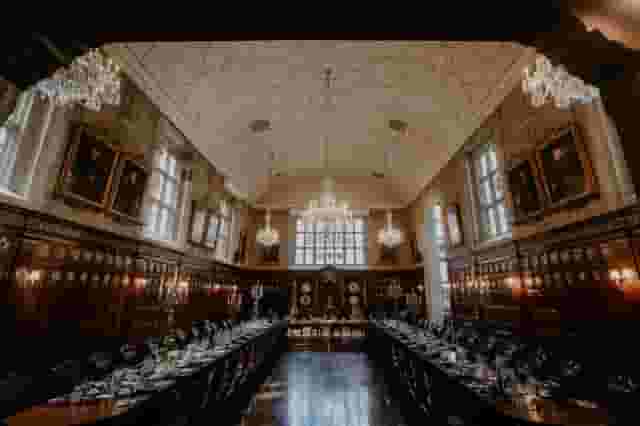
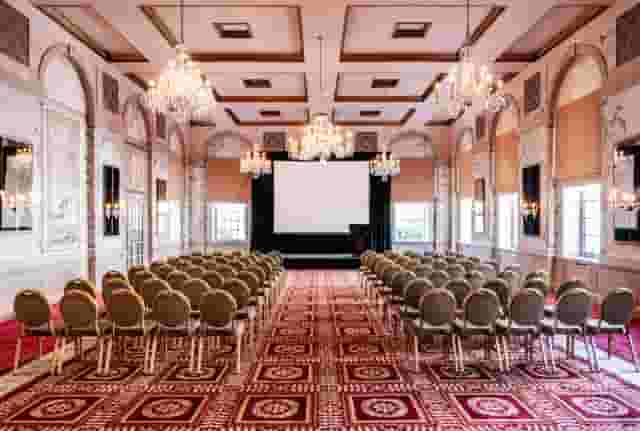
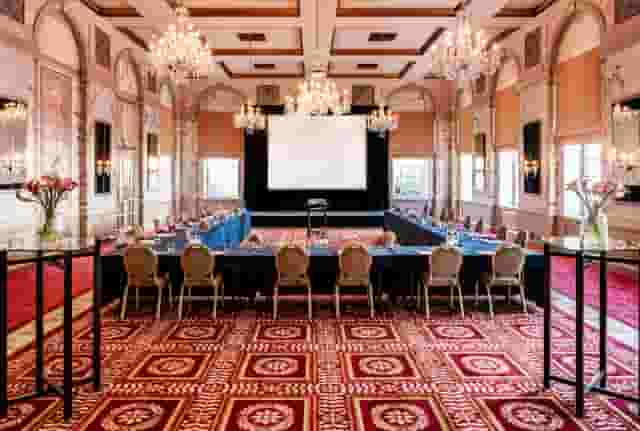
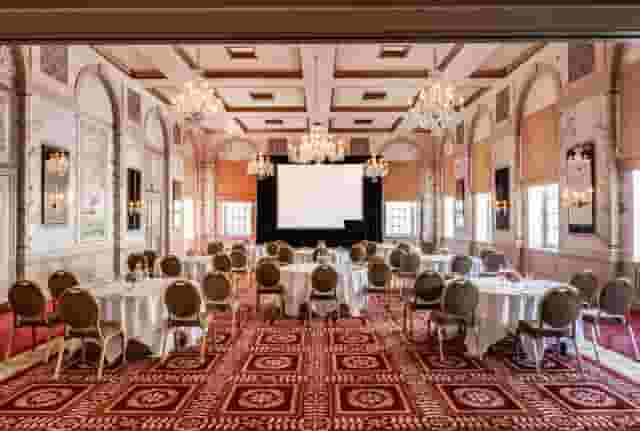
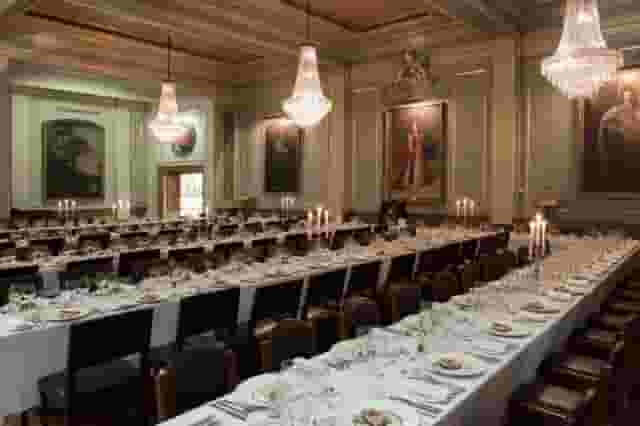
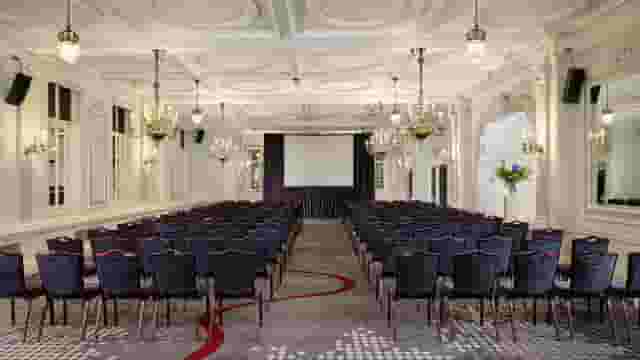
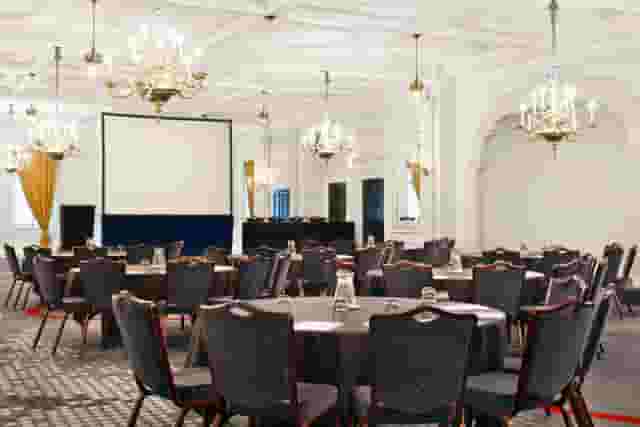
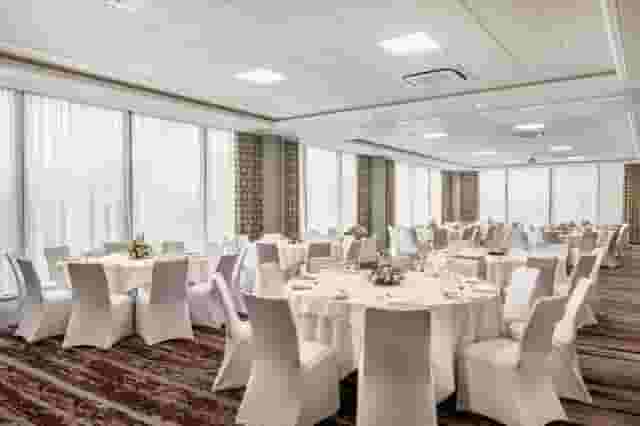
The sweet spot for 100 guests is typically a ballroom of around 180m² – think The Ballroom at The Bloomsbury Hotel. This gives you enough room for a proper dance floor, elegant dining setup, and those crucial circulation spaces that prevent your event feeling cramped. What's brilliant about London's ballrooms is their versatility; you can transform the same space from a sophisticated dinner party to a lively celebration with dancing, all within the same evening.
What Makes London Ballrooms Stand Out for Mid-Sized Events
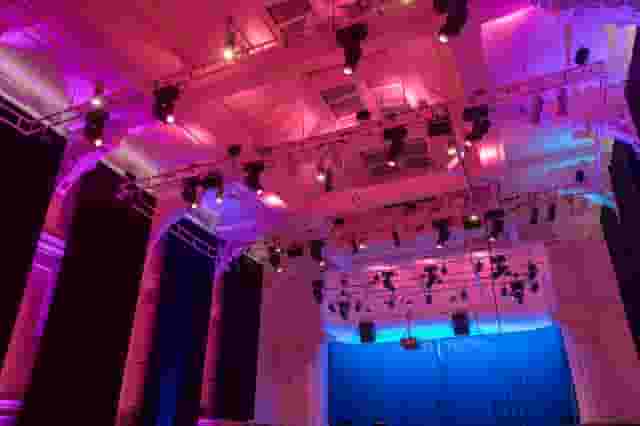
London's ballrooms are designed with those essential 3.5-metre ceiling heights that create that sense of grandeur without overwhelming a 100-person gathering. You'll find most venues offer three-phase power supply and proper acoustic treatment – details that matter enormously when you're planning entertainment or presentations. The best ballrooms also provide dedicated storage space (typically 10% of the total area), which is invaluable for coat storage, gifts, or equipment.
From a practical standpoint, London's transport links are unbeatable. Your guests can easily reach venues near major hubs like King's Cross or Liverpool Street, with most ballrooms offering some parking options at £5-10 per hour. The city's excellent late-night transport means your celebration can run until midnight without guests worrying about getting home.
Budget Considerations That Actually Matter
Here's where I'll be completely honest about costs – quality ballroom hire in central London typically runs £5,000-£15,000 for exclusive use, with premium venues reaching £20,000+. However, this often includes essential infrastructure like professional lighting grids, sound systems, and climate control that would cost thousands to bring in separately.
The key is understanding what's included in your hire fee. Many ballrooms provide basic AV equipment, but you'll want to budget an additional 15% of your venue cost for enhanced technology if you're planning speeches or entertainment.
Much like planning Corporate Days Out in London for 100 people, the secret is booking 6-8 months ahead for weekend dates, especially during peak seasons. This gives you negotiating power and ensures you secure your preferred date without the premium pricing that comes with last-minute bookings.
Essential Planning Steps That Make or Break Your Ballroom Event
The difference between a good ballroom event and an absolutely memorable one often comes down to the planning steps you take in those crucial first few weeks. After years of seeing events succeed spectacularly or fall flat, I've learned that certain planning decisions are make-or-break for 100-guest celebrations.
Your 8-Week Planning Timeline That Actually Works
Start with your floor plan – this isn't just about table arrangements. For 100 guests in a typical 180m² ballroom, you'll want to allocate roughly 1.8m² per person for dining, plus additional space for your dance floor and bar areas. I always recommend booking a site visit during a similar event if possible; seeing how the space flows with people in it is invaluable.
Your technical requirements need sorting by week six. Most London ballrooms come with basic lighting and sound, but for 100 guests, you'll likely need additional wireless microphones and possibly uplighting to create the right atmosphere. The standard setup includes HD projectors and line array speakers, but always test everything during your rehearsal.
The Licensing Maze Made Simple
Here's something that catches many organisers off-guard: if you're serving alcohol or having live music past 10pm, you'll need a premises licence. Most established ballrooms handle this, but always confirm what's included. For events extending beyond standard hours, temporary event notices cost around £21 and need submitting at least 10 working days ahead.
The insurance requirement is non-negotiable – £5 million public liability is standard. Many venues can add you to their policy for an additional fee, which is often more cost-effective than arranging separate cover.
Staffing Ratios That Ensure Smooth Service
For 100 guests, plan on one manager plus four service staff minimum. This ratio ensures proper attention during dinner service and prevents those awkward gaps in service that can derail an evening's momentum. Most ballrooms can provide staffing, but expect to pay £25-35 per hour per staff member.
Your setup and breakdown times are crucial – allow four hours each side of your event. This might seem excessive, but ballrooms require proper time for table arrangements, lighting adjustments, and sound checks. Rushing this process is where things go wrong.
Much like organising Team Off-Sites in West Sussex, the key is creating detailed run-of-show documents that every supplier receives. This prevents confusion and ensures your celebration flows seamlessly from cocktails through to the final dance.
Understanding Ballroom Costs and Getting Maximum Value for Your Budget
Let's talk money – because understanding ballroom costs properly is what separates successful event organisers from those who end up with nasty surprises. After negotiating hundreds of ballroom bookings across London, I've learned that the sticker price is just the beginning of your budget conversation.
The reality is that exclusive ballroom hire for 100 guests ranges from £5,000-£15,000 in central London, with luxury venues pushing £20,000+. But here's what most people miss: that base price often includes infrastructure worth thousands – professional lighting grids, climate control systems, and sound equipment that would cost £3,000-£5,000 to bring in separately.
Breaking Down Your Real Ballroom Investment
Your venue hire typically represents about 60% of your total event budget. For a £10,000 ballroom booking, expect catering to add another £4,000-£6,000 (£40-60 per head for quality service), with technical enhancements accounting for roughly 15% more. This means your total investment often sits between £15,000-£25,000 for a properly executed 100-guest celebration.
Here's where smart negotiation comes in: booking 6-8 months ahead gives you leverage, especially for Friday or Sunday events. I've secured 15-20% discounts by being flexible with dates and committing early. Many venues also offer package deals that bundle catering, basic AV, and service staff – these can represent genuine savings if they align with your needs.
The Hidden Costs That Catch Everyone Out
Service charges vary wildly – some venues include everything, others add 12.5% on top of catering. Always clarify what's included in your quoted price. Corkage fees can be £15-25 per bottle if you're bringing your own wine, and many ballrooms charge extra for extended setup times beyond the standard four hours.
Security deposits typically run £1,000-£2,500 and are usually refundable, but factor this into your cash flow planning. Late-night extensions cost £200-£500 per hour, so build buffer time into your schedule rather than paying premium rates.
Getting Maximum Value From Your Investment
The secret to ballroom value isn't finding the cheapest option – it's maximising what you get for your spend. Look for venues that include essential elements like coat check facilities, dedicated bridal suites, or complimentary parking. These add-ons can save hundreds while enhancing your guests' experience.
Consider venues that offer flexibility with your floor plan. The ability to reconfigure your space during the evening – from dinner setup to dance floor – adds tremendous value without additional cost. Much like planning Corporate Days Out in London for 100 people, the venues that offer this adaptability often provide the best return on investment.
Your next step should be requesting detailed quotes from three venues, ensuring each includes the same services for accurate comparison. Don't just compare headline prices – look at the total package value.
Navigating London's Unique Requirements for Party Ballroom Bookings
London's regulatory landscape for ballroom events can feel like navigating a maze, but once you understand the specific requirements, it becomes much more manageable. Having dealt with everything from Westminster's strict noise regulations to Southwark's licensing quirks, I can tell you that preparation is absolutely everything when it comes to compliance.
The first thing that catches many organisers off-guard is London's borough-specific approach to event licensing. Each of London's 32 boroughs has slightly different requirements, and what works in Camden might not fly in Kensington & Chelsea. For 100-guest ballroom events, you'll typically need a premises licence if you're serving alcohol beyond 11pm or having amplified music past 10pm – and these timings can vary by borough.
Understanding Borough-Specific Licensing Requirements
Westminster, where many premium ballrooms are located, requires temporary event notices to be submitted at least 10 working days in advance, costing £21 each. However, they're particularly strict about noise levels after 10pm, with sound limiters often required. I've seen events shut down for exceeding 85 decibels, so always discuss sound management with your venue.
The City of London has different rules entirely – they're more flexible with timing but require detailed risk assessments for events over 75 people. Camden focuses heavily on crowd management plans, whilst Southwark prioritises waste management protocols. It sounds complex, but most established ballrooms handle these requirements as part of their service.
Fire Safety and Capacity Calculations That Matter
Here's where the 100-guest sweet spot becomes crucial: most ballrooms are licensed for 120-150 people in theatre-style seating, but dining configurations reduce this significantly. The magic number is typically 1.5m² per person for dining, meaning your 180m² ballroom comfortably accommodates 100 guests with proper circulation space.
Fire safety requirements mandate clearly marked exits (typically one per 60 people), and you'll need qualified first aiders on-site – one per 100 guests is standard. Most venues provide this, but always confirm it's included in your package.
The Insurance and Liability Essentials
Public liability insurance of £5 million is non-negotiable, and many venues require proof 48 hours before your event. Professional indemnity cover is increasingly requested, particularly for corporate celebrations. The good news is that many ballrooms can add you to their existing policies for £150-300, which is far more cost-effective than arranging separate cover.
Much like planning Team Off-Sites in West Sussex, the key is starting your compliance checklist early. Create a folder with all required documentation – licenses, insurance certificates, risk assessments – and share copies with your venue coordinator at least two weeks before your event. This prevents last-minute panics and ensures your celebration proceeds without regulatory hiccups.
Expert Secrets for Creating Unforgettable Ballroom Experiences
The difference between a ballroom event that guests remember fondly and one they rave about for years often comes down to the subtle details that most organisers overlook. After orchestrating hundreds of ballroom celebrations, I've discovered that the real magic happens in those carefully planned moments that feel completely natural to your guests.
Creating Flow That Feels Effortless
The secret to exceptional ballroom experiences lies in understanding how 100 guests naturally move through your space. In a typical 180m² ballroom, I always create three distinct zones: a welcome area near the entrance (about 20% of your space), your main dining area (60%), and a dedicated dance floor zone (20%). This isn't just about furniture placement – it's about creating natural conversation pockets that prevent that awkward "standing around" feeling.
Your lighting design makes or breaks the atmosphere. Start with 70% ambient lighting during cocktails, drop to 50% for dinner service, then boost your dance floor lighting to 80% whilst dimming dining areas to 30%. Most London ballrooms have DMX-controlled LED systems that make these transitions seamless, but always test the sequence during your rehearsal.
The 90-Minute Rule That Changes Everything
Here's something I've learned from watching countless celebrations: guest energy naturally peaks and dips in 90-minute cycles. Plan your evening accordingly – cocktails and mingling (first 90 minutes), dinner service and speeches (next 90 minutes), then dancing and celebration (final phase). This rhythm prevents energy lags and keeps your celebration building momentum.
The key is your transition moments. Between dinner and dancing, I always recommend a 15-minute "palette cleanser" – perhaps a special toast, a surprise element, or simply clearing tables whilst your DJ builds the energy. These moments give guests permission to shift gears naturally.
Technology That Enhances Rather Than Dominates
Smart ballroom organisers use technology to create moments, not showcase equipment. Wireless uplighting can transform your space throughout the evening – warm amber for dinner, cool blues for dancing. Many venues now offer app-controlled lighting that lets you adjust the mood instantly.
For speeches or presentations, position screens at 45-degree angles to your main dining area rather than head-on. This maintains intimacy whilst ensuring visibility. Keep microphone handovers smooth by having your venue coordinator manage the technical elements whilst you focus on hosting.
Much like planning Team Off-Sites in South London, the venues that offer the most flexibility with space reconfiguration often create the most memorable experiences. Your next step should be visiting potential ballrooms during similar events to see how the space actually flows with guests present – this observation will inform every other decision you make.
What our customers say
Inspiration and planning guides

Proposal Requests Are Now On Hire Space!
It's now even easier to find the perfect venue for your event with Hire Space. The UK's leading venue website has just launched its new Request For Proposal (RFP) functionality, meaning that whatever size, style or sort of event you're hoping to put on, we can help make it a reality. Quick and Easy With our quick and easy online form, event planning can be a breeze. Just enter the date and time of your event as well as your budget. You can then input further details on the type of event you'r

The World's Easiest Way To Find The Perfect Venue
Need the perfect venue? Want to get it as easily and quickly as possible? Here's what you should do. Just fill in this lightning-quick form, and the world experts in UK venues will dedicate themselves to finding exactly what you're looking for. And they won't charge you a penny to do it. Here's how it works. 1. Click your event [https://hirespace.com/Ask-An-Expert] Whatever your event is, we've got you covered. 2. Pop in the details [https://hirespace.com/Ask-An-Expert] The essentials of

Event Design That Will Wow Your Guests
Take a look at some of the best designed events venues in London - so eye catching that you won't be able to forget them.
One supplier. Every venue. Full visibility on what you spend.
Multiple venues and events. One agreement.