Palaces in London
Explore stunning palaces in London suitable for events of up to 500 guests.
22 Palaces in venues in London




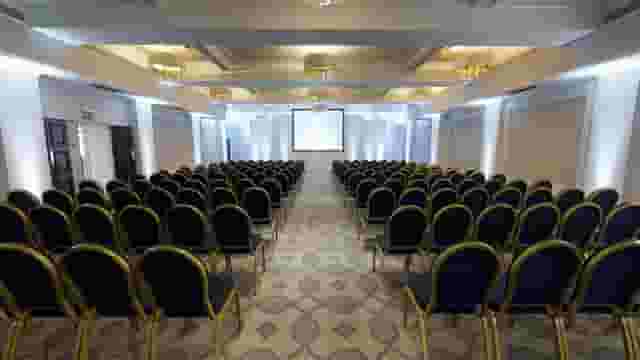
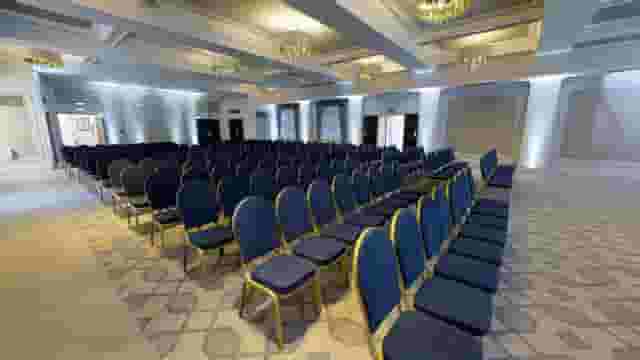
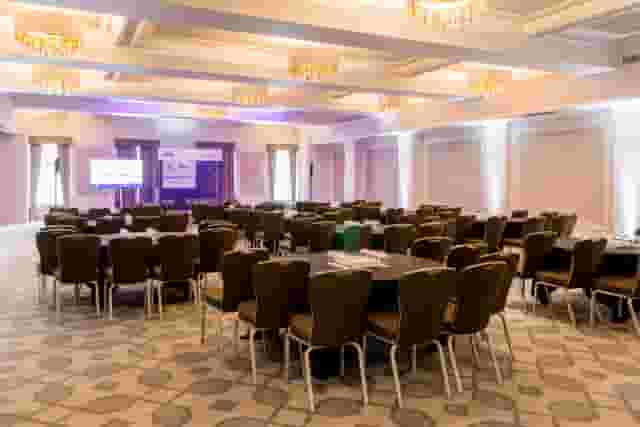
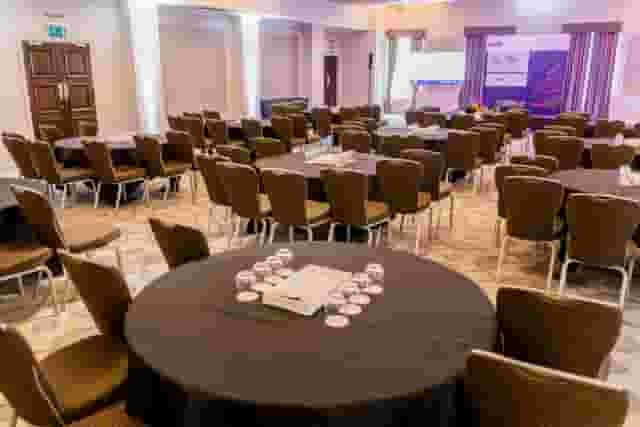







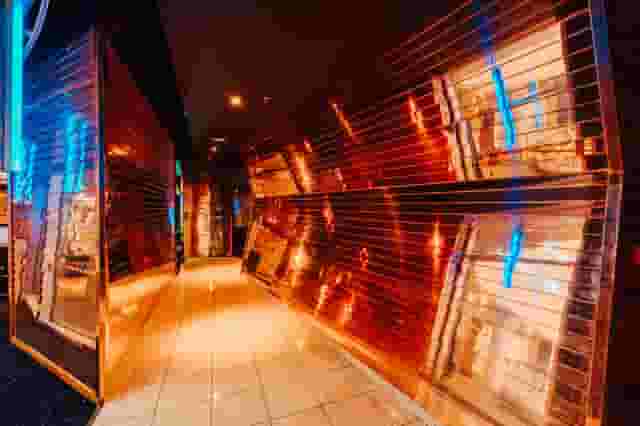
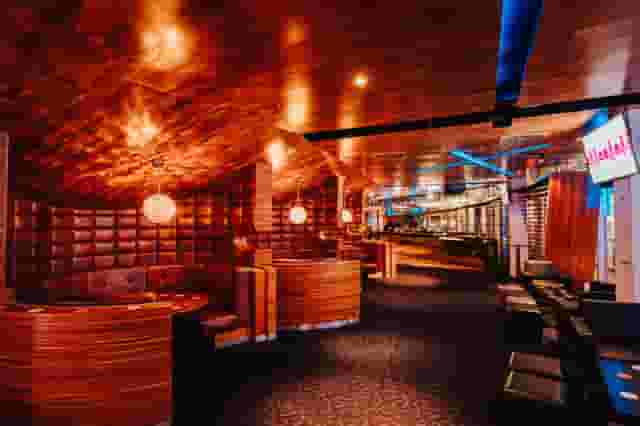
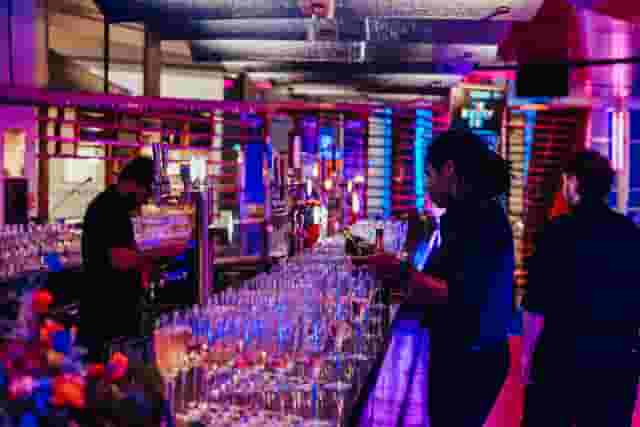
No venues match these filters
Try widening your capacity, luxury level or event type.
Don't have time to search? We'll find it for you.
For business events that need human judgement, talk to our team. Free for events of 100+ people, budgets over £10k or ongoing programmes.


Explore more venues in London













Other platforms search their database. We search everything.
Tell us what you need. Our deep research finds any venue, whether it's in our marketplace or not. No one else does this.
About Palaces in London
Why London's Royal Palaces Are Perfect for Your 500-Guest Event (And Which Ones Actually Work)
When you're planning an event for 500 guests, there's something undeniably magical about hosting it in a palace. I've organised dozens of large-scale events across London's royal venues, and honestly, nothing quite compares to the collective gasp when your guests walk into Banqueting House or Hampton Court Palace for the first time.
But here's the thing – not all of London's palaces are actually suitable for events of this scale. While we have six royal palaces in London, only three really work for 500-person gatherings: Banqueting House, Hampton Court Palace, and Kensington Palace's Orangery (though that's pushing it at around 300 maximum).
The Banqueting House Sweet Spot
Banqueting House remains my go-to recommendation for corporate galas and product launches. With 750 square metres of uninterrupted space and those stunning Rubens ceiling paintings, it comfortably handles 500 guests in theatre style or 300 for a seated dinner. The 7-metre ceiling height isn't just impressive – it's essential for proper acoustics when you're dealing with this many people.
What makes it particularly brilliant for large events is the single-room layout. Unlike venues where guests get lost wandering between spaces, everyone stays together, creating that electric atmosphere you want for milestone celebrations or major announcements.
Hampton Court's Grand Potential
Hampton Court Palace offers something completely different – multiple interconnected spaces that can flow beautifully for 500 guests. The Great Hall alone accommodates 200 for dinner, but when you open up the adjoining chambers, you've got space for cocktail receptions that feel genuinely regal. I've seen corporate retreats use the courtyards for team activities before moving inside for formal presentations.
The Reality Check
Here's what nobody tells you upfront: palace events aren't just about the wow factor. These venues come with serious operational considerations. You're working within Grade I listed buildings with strict preservation requirements, limited loading access, and heritage protocols that can't be bent.
The investment reflects this exclusivity – expect £15,000+ for a full day hire, but when you factor in the built-in grandeur, professional catering partnerships, and the fact that your venue IS the entertainment, it often represents better value than you'd think.
Your next step? Visit during a public tour first. Understanding the flow, acoustics, and practical limitations before you commit will save you headaches later and help you design an event that truly maximises these extraordinary spaces.
The Real Costs of Palace Hire: What £15,000 Gets You and How to Maximise Every Penny
Let's talk numbers, because palace pricing can feel like a black box until you understand what you're actually paying for. That £15,000 day rate isn't just venue hire – it's access to a complete event ecosystem that most venues simply can't match.
What Your Investment Actually Covers
Your palace hire typically includes the venue for 8-10 hours, basic lighting, security presence, and crucially, access to their approved supplier network. At Banqueting House, for instance, your £15,000 gets you the main hall, adjacent reception areas, and coordination with Historic Royal Palaces' events team who know every quirk of the building.
But here's where smart event planners save serious money: the catering partnerships. Palace-approved caterers have already navigated the complex logistics of working in Grade I listed buildings. They know exactly how to manage the restricted loading times (usually 7-9am only), work around the heritage heating systems, and handle the fact that you can't use naked flames in most areas.
The Hidden Value Multipliers
What many don't realise is that palaces often throw in elements that would cost thousands elsewhere. Hampton Court's events team includes a dedicated heritage coordinator who ensures your setup respects conservation requirements – that's easily £2,000 worth of specialist consultation. The built-in grandeur means you'll spend far less on décor; I've seen clients save £8,000+ on flowers and draping because the venue itself provides the visual impact.
Maximising Your Palace Pound
Here's my insider tip: book Tuesday through Thursday when possible. Weekend premiums can add 30-50% to your costs, and midweek events often get priority access to the venue's preferred suppliers. For corporate gatherings, this timing actually works better for attendance anyway.
Consider the shoulder seasons too. January through March bookings can be 20% cheaper, and honestly, there's something rather magical about a winter palace event with proper lighting.
The Smart Negotiation Strategy
Don't try to negotiate the venue fee directly – focus on package deals. Ask about multi-day rates if you need setup time, or bundle in additional spaces for breakout sessions. The real savings come from understanding their supplier relationships and working within their established systems rather than fighting them.
Your next move should be requesting a detailed breakdown of what's included versus additional costs. This transparency helps you budget accurately and often reveals opportunities to upgrade elements that deliver maximum impact for your guests.
Navigating Palace Protocols: From Historic Preservation Rules to Modern Event Requirements
Working with palaces isn't like booking your average conference centre – you're essentially becoming a temporary custodian of centuries-old heritage, and the protocols reflect that responsibility. After navigating dozens of palace events, I can tell you that understanding these requirements upfront is what separates smooth operations from last-minute disasters.
The Heritage Preservation Reality
Every palace operates under strict Historic England guidelines, and for 500-person events, these become particularly complex. You'll need to submit detailed floor plans showing exactly where every piece of equipment goes – and I mean everything, down to individual chair placements. At Hampton Court, they require 28 days' notice for any setup that involves temporary structures or significant furniture arrangements.
The preservation rules aren't just bureaucracy; they're protecting irreplaceable assets. Those stunning parquet floors at Banqueting House? They can't handle point loads over 150kg per square metre, which affects everything from staging to catering equipment. I've seen events nearly cancelled because someone tried to bring in a grand piano without checking weight restrictions first.
Modern Requirements Meet Ancient Buildings
Here's where it gets interesting – you still need to meet all modern event regulations while working within 16th-century constraints. Fire safety becomes particularly complex when you're dealing with narrow corridors and limited escape routes. For 500 guests, you'll typically need a minimum of four fire marshals, and they must be briefed on the building's unique evacuation procedures.
The electrical systems present their own challenges. Most palaces can provide 400 amps of three-phase power, but distribution is limited by the building's heritage wiring routes. Your AV team needs to understand they can't just run cables anywhere – everything must follow predetermined pathways that protect the historic fabric.
The Approval Process That Actually Works
Start your planning conversations at least 12 weeks out, not because palaces are difficult, but because they're thorough. Submit your initial concept with rough numbers, then expect 2-3 rounds of refinement. The palace events teams aren't trying to make life difficult – they're ensuring your corporate celebration succeeds within their operational framework.
Pro tip: always request a pre-event site visit with your key suppliers. Walking through the setup process with the palace's facilities manager prevents 90% of day-of complications and often reveals opportunities to enhance your event within the guidelines.
Your next step should be downloading the venue's specific technical requirements document – every palace has one, and it's your roadmap to a flawless event that respects both your vision and their heritage responsibilities.
Mastering the Technical Challenge: Power, Sound, and Logistics in Grade I Listed Venues
The technical side of palace events is where many planners come unstuck, and honestly, I don't blame them. You're essentially trying to run a modern 500-person event inside buildings that predate electricity by several centuries. But here's the thing – once you understand the unique challenges, palaces can actually offer some surprising technical advantages.
Power Distribution: Working Within Historic Constraints
The 400-amp three-phase supply I mentioned earlier sounds generous until you realise it's distributed through heritage-protected cable routes that can't be modified. At Banqueting House, for instance, you've got just four main distribution points for the entire 750 square metres. This means your lighting designer needs to work backwards from power locations, not forwards from creative vision.
I learned this the hard way during a corporate gala where we had to completely redesign our lighting plot 48 hours before the event. Now I always request the electrical schematic during initial planning – it's become as important as the floor plan itself. For 500 guests, you're typically looking at 60-80 amps just for basic lighting, another 40 amps for AV, and 30-40 amps for catering equipment.
Sound Engineering in Challenging Acoustics
Those soaring ceilings that make palaces so visually stunning? They're acoustically challenging for large groups. The 7-metre height at Banqueting House creates a 2.3-second reverb time, which means your sound engineer needs line-array speakers positioned precisely to avoid echo issues with 500 people talking.
Here's my insider tip: always spec wireless microphones with diversity receivers. The thick stone walls play havoc with RF signals, and I've seen presentations fail because someone skimped on proper wireless systems. Budget £3,000-4,000 for professional audio that actually works in these spaces.
Logistics That Make or Break Your Event
Loading restrictions are where palace events get really interesting. Most venues offer just a 2-hour window (typically 7-9am) for all deliveries, and you're often working with a single goods entrance that's nowhere near your event space. At Hampton Court, equipment travels through three separate courtyards before reaching the Great Hall.
This is why I always recommend hybrid-ready setups for palace events – the technical complexity means having backup streaming capabilities isn't just smart, it's essential. Your production timeline needs to account for the fact that troubleshooting takes twice as long when you can't easily access equipment once it's installed.
Your next step should be scheduling a technical recce with your AV team at least 8 weeks before your event. Walk through every cable run, test the power points, and map out your equipment positioning. This single visit will save you thousands in potential complications and ensure your 500 guests experience the magic, not the technical challenges.
Booking Your Palace Event: Timeline, Negotiations, and Insider Tips for Flawless Execution
The booking process for palace events is where experience really pays off – I've seen too many planners underestimate the complexity and end up scrambling at the last minute. The good news? Once you understand the rhythm of palace bookings, you can secure these extraordinary venues and negotiate terms that work brilliantly for your 500-guest event.
Start Earlier Than You Think (But Not Too Early)
Palace availability opens 18 months in advance, but here's the insider secret: the sweet spot for booking is actually 8-12 months out. Book too early and you're paying premium rates without leverage; too late and you're competing with royal events that take absolute priority. I've found that booking 10 months ahead gives you the best selection while maintaining negotiating power.
For 500-person events, you're competing with other large-scale bookings, so flexibility on dates becomes your strongest negotiating tool. Offer three potential dates rather than one, and you'll often secure better terms. Tuesday through Thursday bookings can save you £3,000-5,000 compared to weekend rates, and honestly, corporate attendance is often better midweek anyway.
The Smart Negotiation Strategy
Don't waste time trying to negotiate the base venue fee – palace rates are fairly fixed. Instead, focus on package deals and added value. Ask about complimentary site visits for your key suppliers, extended setup times, or bundled access to additional spaces for breakout sessions. I once secured a full day's exclusive access to Hampton Court's gardens for pre-dinner drinks simply by asking during the initial booking conversation.
The real savings come from understanding their preferred supplier relationships. Palace-approved caterers and AV companies have streamlined processes that can save you 15-20% on production costs compared to bringing in external teams who need to navigate the heritage requirements from scratch.
Your Execution Timeline That Actually Works
Once booked, your critical path looks different from standard venues. Submit your detailed event plan 12 weeks out, not 6. The heritage approval process takes time, and rushing it creates unnecessary stress. Schedule your technical recce 8 weeks before, allowing time to adjust plans based on what you discover.
Consider linking your palace event with other corporate activities – many clients combine their palace gala with team activities at nearby venues, creating a memorable multi-day experience that justifies the investment.
Your next step should be requesting a preliminary booking conversation rather than diving straight into formal quotes. These initial discussions often reveal opportunities and constraints that shape your entire event strategy, setting you up for success from day one.
What our customers say
Inspiration and planning guides

Proposal Requests Are Now On Hire Space!
It's now even easier to find the perfect venue for your event with Hire Space. The UK's leading venue website has just launched its new Request For Proposal (RFP) functionality, meaning that whatever size, style or sort of event you're hoping to put on, we can help make it a reality. Quick and Easy With our quick and easy online form, event planning can be a breeze. Just enter the date and time of your event as well as your budget. You can then input further details on the type of event you'r

The World's Easiest Way To Find The Perfect Venue
Need the perfect venue? Want to get it as easily and quickly as possible? Here's what you should do. Just fill in this lightning-quick form, and the world experts in UK venues will dedicate themselves to finding exactly what you're looking for. And they won't charge you a penny to do it. Here's how it works. 1. Click your event [https://hirespace.com/Ask-An-Expert] Whatever your event is, we've got you covered. 2. Pop in the details [https://hirespace.com/Ask-An-Expert] The essentials of

Event Design That Will Wow Your Guests
Take a look at some of the best designed events venues in London - so eye catching that you won't be able to forget them.
One supplier. Every venue. Full visibility on what you spend.
Multiple venues and events. One agreement.