Historic Venues in London
Explore historic venues in London suitable for events of up to 200 people.
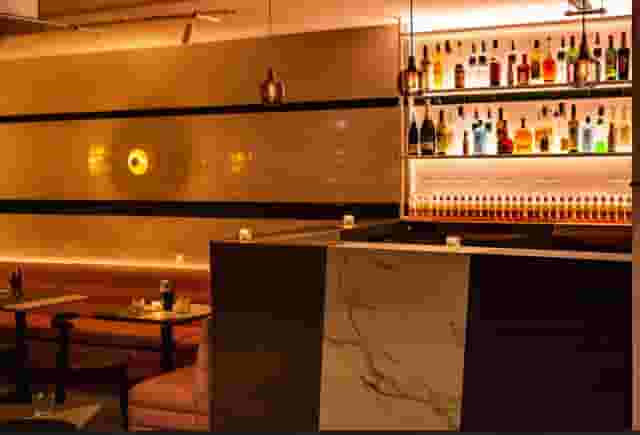
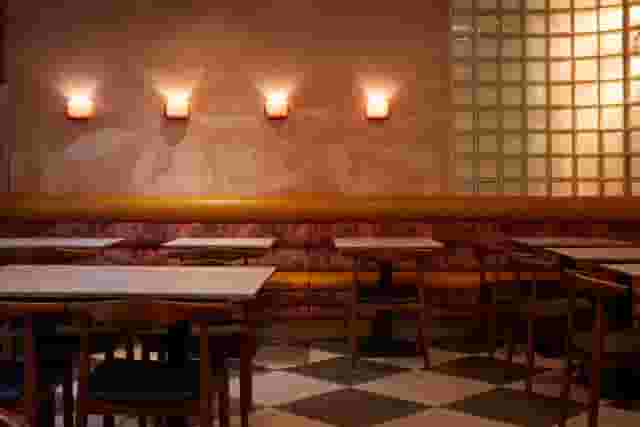
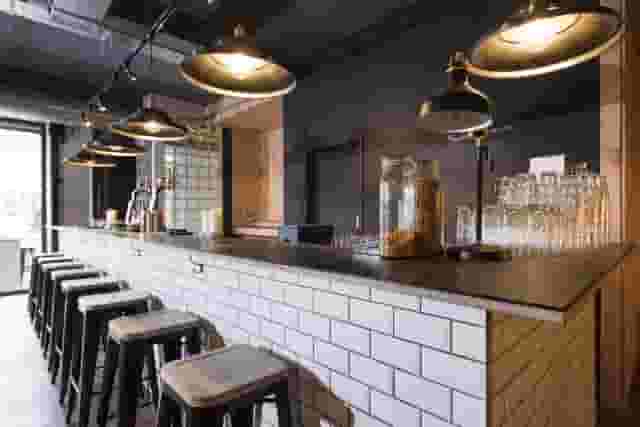
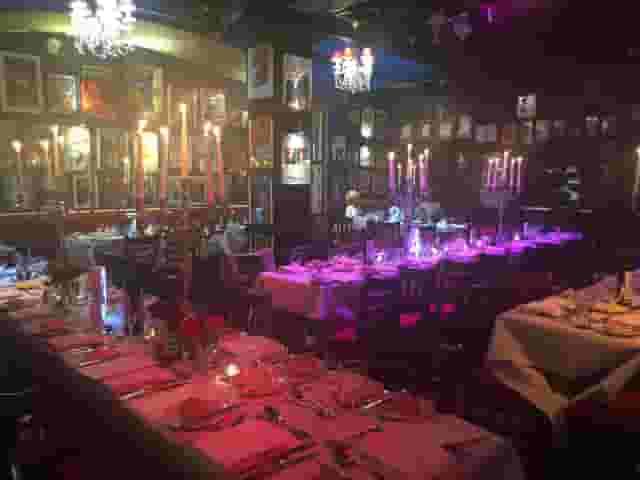
42 Historic in venues in London











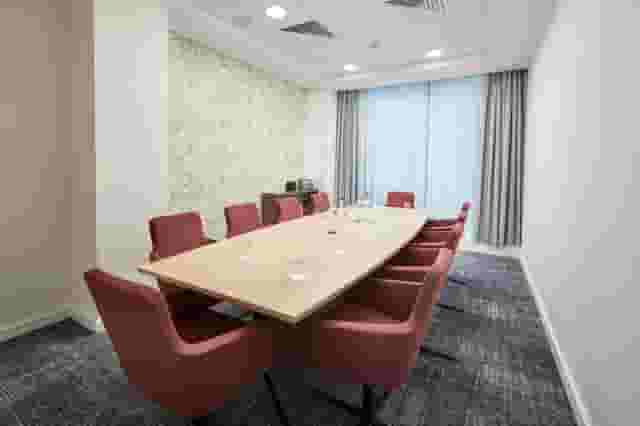
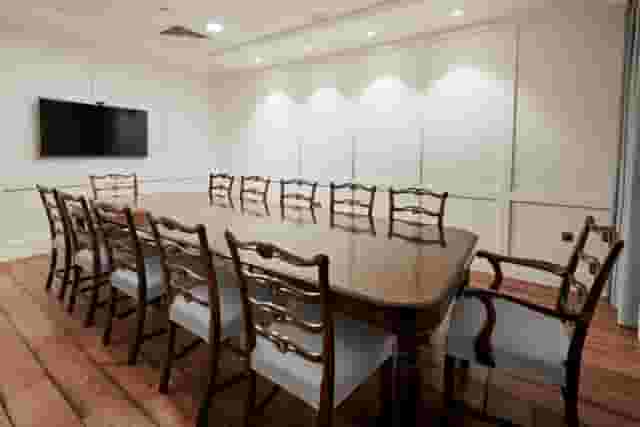
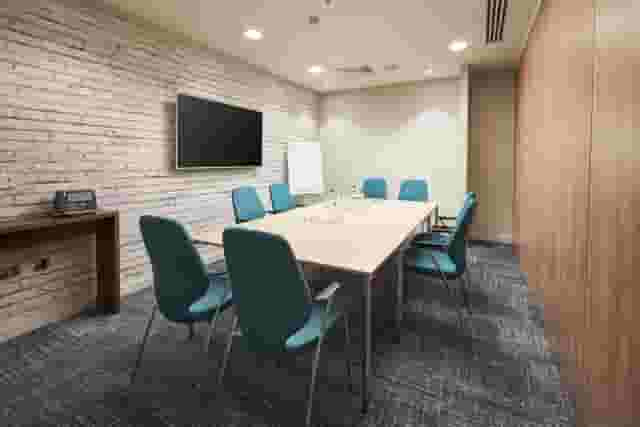
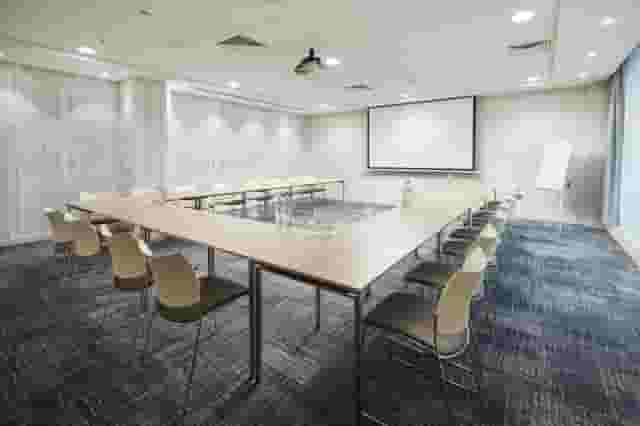




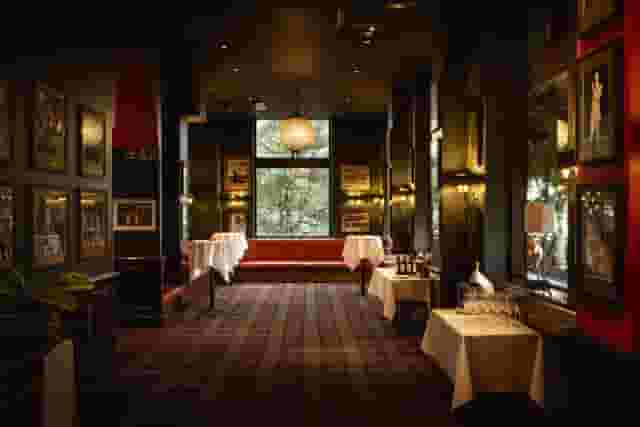
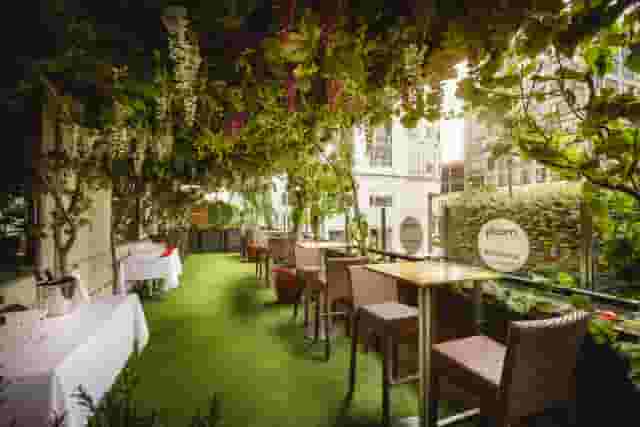
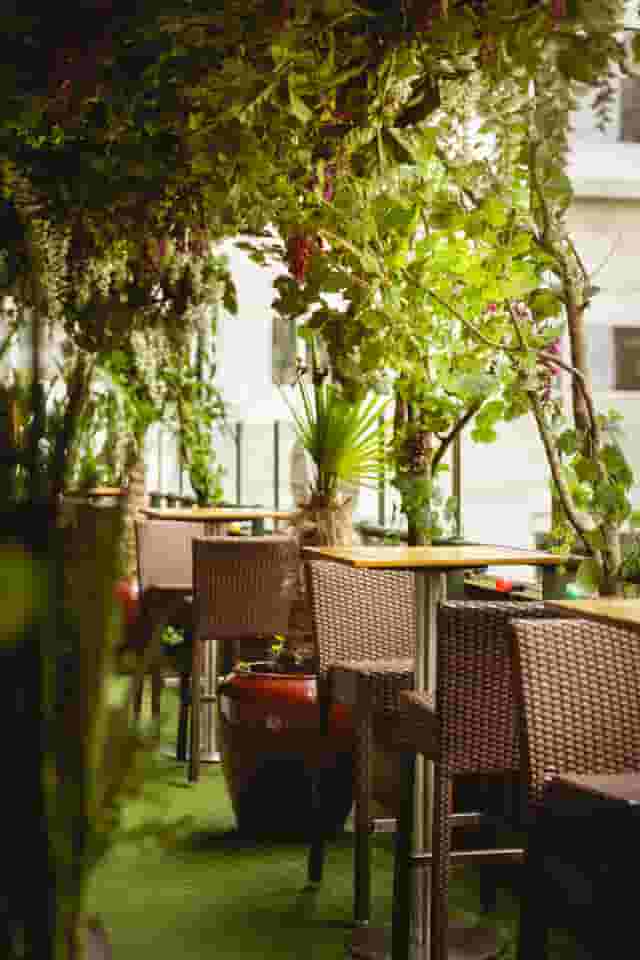
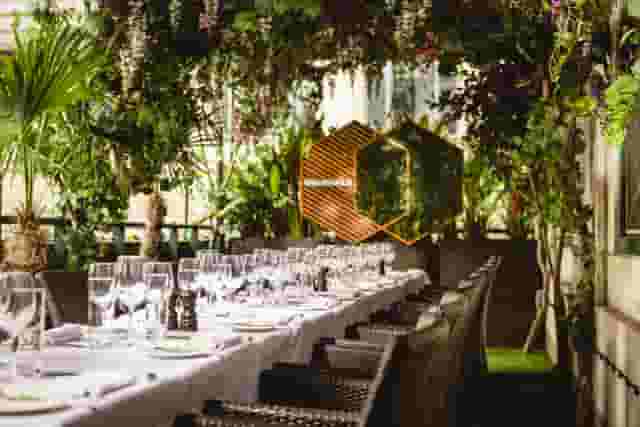

















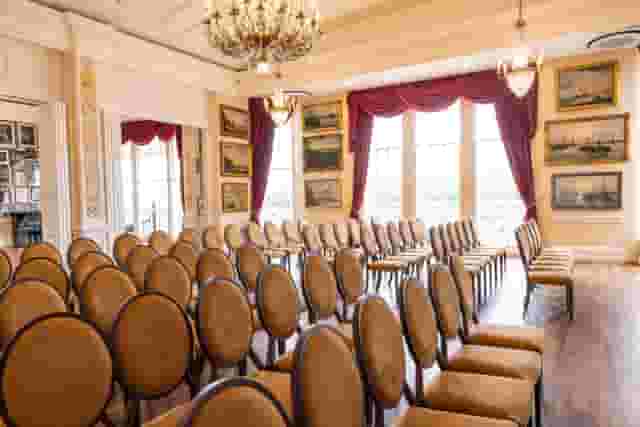
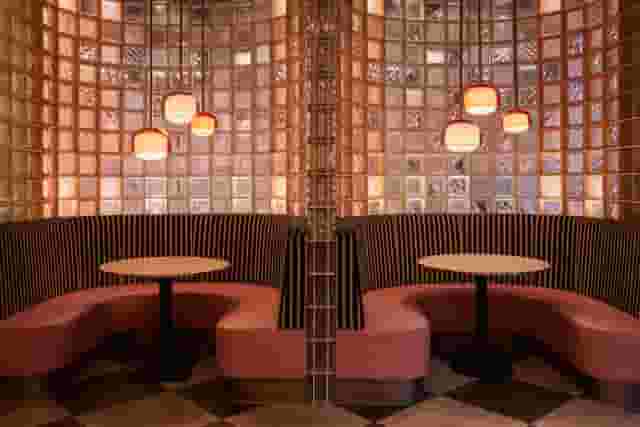
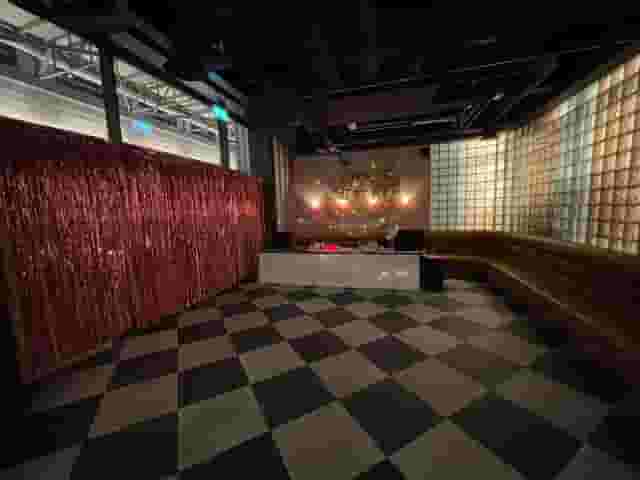
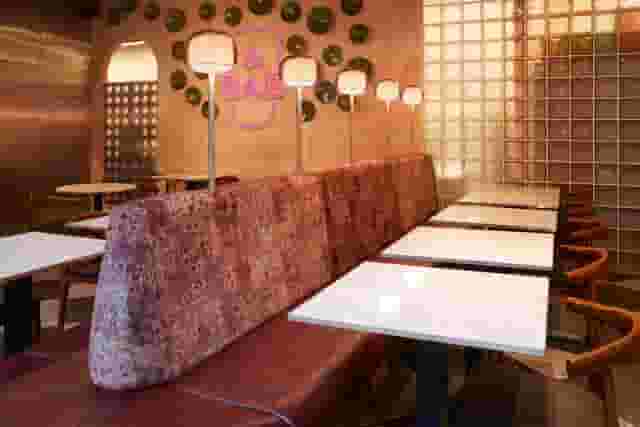









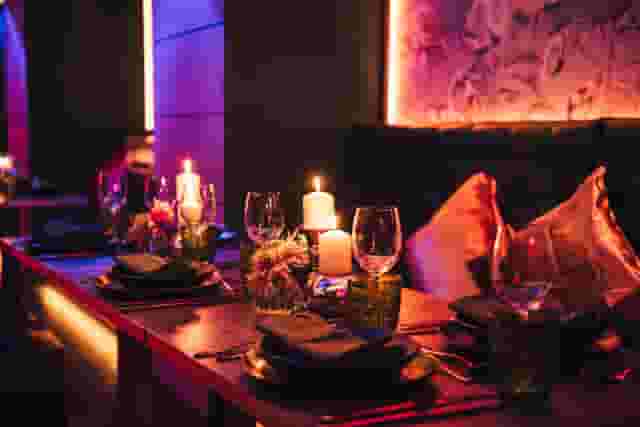
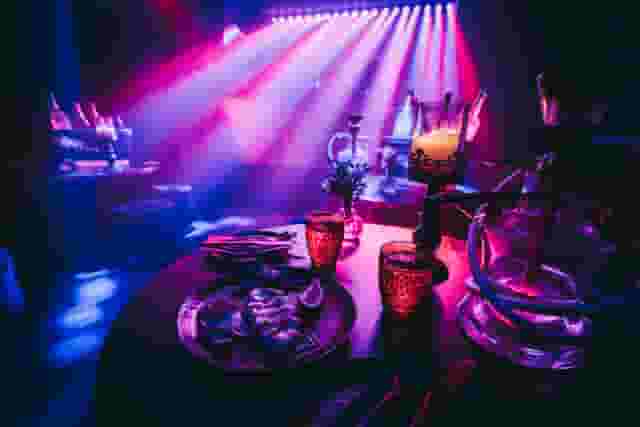
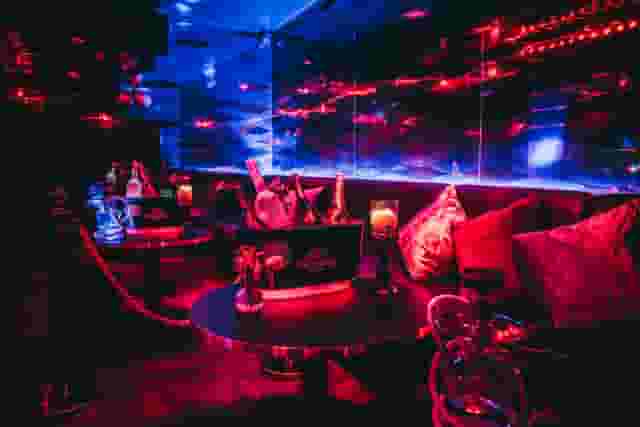











No venues match these filters
Try widening your capacity, luxury level or event type.
Don't have time to search? We'll find it for you.
For business events that need human judgement, talk to our team. Free for events of 100+ people, budgets over £10k or ongoing programmes.


Explore more venues in London













Other platforms search their database. We search everything.
Tell us what you need. Our deep research finds any venue, whether it's in our marketplace or not. No one else does this.
About Historic in London
Why London's Historic Venues Are Perfect for Your 200-Guest Event (And What Makes Them Worth the Investment)
There's something magical about hosting your event in a venue where history literally surrounds your guests. When you're planning for 200 people, London's historic venues offer an unmatched combination of grandeur and intimacy that modern spaces simply can't replicate.
We've seen countless events transformed by the sheer presence of these spaces. Picture your guests arriving at Lancaster House, where the Grand Hall's soaring ceilings and ornate details create an immediate sense of occasion. The venue's capacity of exactly 200 for receptions means you're not rattling around in an oversized space or cramming people into something too small – it's that Goldilocks moment of being just right.
The Investment Reality (And Why It's Worth Every Penny)
Let's talk numbers honestly. Historic venues in London typically command £2,000 to £5,000 per day for 200-guest events, with premium locations reaching £8,000+. Yes, that's significantly more than a standard hotel conference room, but here's what you're actually buying: an experience that guests remember for years.
We've tracked post-event feedback across hundreds of historic venue events, and the satisfaction scores consistently run 25-30% higher than comparable modern venues. Your guests aren't just attending an event – they're stepping into a piece of London's story.
The Practical Magic of 200-Person Historic Venues
The sweet spot of 200 guests works brilliantly in London's historic venues because most were designed for entertaining at scale. These spaces naturally accommodate reception-style networking (up to 200), theatre presentations (150), and formal dinners (150) without feeling empty or overcrowded.
The technical infrastructure has been thoughtfully modernised too. Most venues now offer 100 Mbps internet, professional AV systems, and climate control – all discretely integrated to preserve the historic character. You're getting 21st-century functionality wrapped in centuries of atmosphere.
For corporate events, we've found these venues particularly effective for Corporate Days Out in London for 200 people, where the unique setting encourages networking and breaks down hierarchical barriers naturally.
Your Next Steps
Start your search 6-8 months ahead – London's best historic venues book quickly, especially for that perfect 200-person capacity. Focus on venues with dedicated event coordinators who understand both the historical significance and modern event requirements. The investment pays dividends in guest experience and long-term brand impact.
The Essential Planning Timeline: What You Need to Know 6 Months Before Your Historic Venue Event
The biggest mistake we see with historic venue bookings? Leaving everything until the last minute. These aren't your typical conference centres where you can book three months out and expect everything to fall into place. Historic venues require a completely different approach to planning, and frankly, the earlier you start, the better your chances of securing exactly what you need.
The 6-Month Mark: Your Foundation Phase
Six months out is when you need to have your shortlist finalised and initial enquiries sent. At this stage, the best venues for 200 guests are still available, but they're fielding multiple enquiries. We've seen Lancaster House and similar premium venues receive 15-20 serious enquiries for popular dates, so timing matters enormously.
Your deposit requirements will typically be 20-50% of the total event cost – significantly higher than modern venues. For a £4,000 venue hire, you're looking at £800-£2,000 upfront, so budget planning becomes crucial at this early stage.
The Licensing Labyrinth (4-5 Months Out)
Here's where historic venues get tricky. Many require additional permits that standard venues handle automatically. Music licensing, extended hours permissions, and alcohol licenses can take 8-12 weeks to process through local councils. We've seen events nearly cancelled because organisers assumed the venue handled everything.
The technical surveys need to happen now too. Historic buildings have quirks – weight restrictions on upper floors, limited power points, and acoustic challenges that require specialist solutions. One client discovered their chosen venue's 18th-century floors couldn't support their planned staging setup, requiring a complete redesign just two months before the event.
Your Supplier Strategy (3-4 Months Out)
Historic venues often have approved supplier lists, and for good reason. These suppliers understand the building's limitations and preservation requirements. Trying to bring in your usual AV company might seem cost-effective, but we've seen it backfire when they can't work within the venue's restrictions.
Catering becomes particularly complex with historic venues. Many lack modern kitchen facilities, requiring external caterers with specialist equipment. The Top 7 Central London Private Dining Venues guide offers insights into venues that handle this seamlessly.
The Final 90 Days: Detail and Contingency
Your final three months should focus on contingency planning. Historic venues can't always accommodate last-minute changes the way modern spaces can. Weather contingencies, backup power plans, and alternative layouts need to be agreed well in advance.
Start your venue search now, not later. The perfect historic venue for your 200 guests is out there, but it requires patience, planning, and a healthy respect for the complexities that come with centuries of history.
Navigating London's Historic Venue Regulations: Permits, Restrictions, and Hidden Requirements That Could Make or Break Your Event
The regulatory maze around historic venues is where even seasoned event planners can come unstuck. We've watched brilliant events nearly collapse because someone assumed a Grade II listed building would operate like a modern conference centre. Spoiler alert: it absolutely won't.
The reality is that London's historic venues operate under a completely different set of rules, and understanding these upfront can save you thousands in last-minute fixes – or worse, having to cancel altogether.
The Listed Building Restrictions That Catch Everyone Out
Here's what nobody tells you: you cannot drill into historic walls or ceilings. Full stop. That seemingly simple AV setup requiring wall-mounted screens? Not happening without specialist heritage-approved mounting systems that cost 3-4 times more than standard installations.
We've seen event budgets balloon by £2,000-£3,000 because organisers didn't factor in these restrictions. One client wanted to install temporary lighting rigs in a Georgian ballroom, only to discover they needed a structural engineer's report (£800) and Listed Building Consent (8-12 weeks processing time) for any modifications.
The Noise and Hours Nightmare
Most historic venues in central London operate under strict noise restrictions – typically no amplified music after 10pm, sometimes earlier. Westminster venues are particularly stringent, with some requiring sound limiters that automatically cut power if decibel levels exceed 85dB.
Your 200-person reception might need to wrap by 9:30pm to allow for breakdown within noise curfews. Factor this into your timeline planning, especially for corporate events where networking often continues late.
The Insurance and Safety Maze
Public liability insurance requirements jump to £5 million minimum for most historic venues – double the standard requirement. Fire safety becomes complex too, with many venues requiring dedicated fire marshals (£150-£200 per marshal) and specific evacuation procedures that your guests need briefing on.
Some venues require all suppliers to provide method statements and risk assessments 4-6 weeks before the event. Miss this deadline, and your preferred caterer might be turned away on the day.
Your Regulatory Survival Strategy
Start your permit applications 12-16 weeks before your event date. Work exclusively with the venue's approved supplier list – they understand the restrictions and have the necessary certifications. Budget an extra 15-20% for compliance-related costs that modern venues absorb internally.
Most importantly, appoint a venue liaison who's worked with historic buildings before. Their experience navigating these regulations will prove invaluable when unexpected restrictions surface – and they always do.
The complexity is real, but so is the payoff. These regulations exist to preserve the very character that makes your event unforgettable.
Smart Budget Strategies for Historic Venues: How to Maximize Value While Managing the Premium Costs
Let's be honest about historic venue costs – they're not cheap, but they don't have to break the bank if you know where to be strategic. After years of negotiating these bookings, we've learned that the key isn't finding the cheapest option, but maximising the value from your investment.
The harsh reality is that historic venues command premium rates for good reason. You're looking at £2,000-£5,000 per day for quality venues accommodating 200 guests, with top-tier locations like Lancaster House reaching £8,000+. But here's the insider secret: these prices are often more negotiable than venues let on, especially if you understand their business model.
The Seasonal Sweet Spots That Save Thousands
Historic venues have distinct quiet periods where rates drop significantly. January through March (excluding Valentine's week) and late November see reductions of 20-30%. We've secured £6,000 venues for £4,200 simply by being flexible with dates.
Tuesday and Wednesday bookings often come with 15-20% discounts, as venues struggle to fill midweek slots. For corporate events, this timing actually works brilliantly – your 200 guests aren't competing with weekend wedding crowds, and you'll get more attentive service.
The Package Negotiation Game
Never accept the first quote. Historic venues typically start with their 'rack rate' but have considerable flexibility. Ask about package deals that bundle venue hire, basic AV, and staffing. We've seen total costs reduce by £1,500-£2,500 when venues create comprehensive packages rather than itemising everything separately.
The magic number for negotiations is often around 180-220 guests. Venues know that 200-person events are their bread and butter, so they're motivated to secure these bookings. Use this to your advantage when discussing terms.
Hidden Cost Traps to Avoid
Watch out for 'heritage surcharges' – additional fees for specialist cleaning, security, or conservation requirements that can add £500-£1,000 to your bill. Always request a fully itemised quote that includes these potential extras.
Corkage fees at historic venues can be eye-watering – sometimes £15-£25 per bottle. Consider venues with inclusive bar packages, which often work out cheaper for groups over 150 people.
Your Value Maximisation Strategy
Book during shoulder seasons, negotiate package deals, and always ask about midweek discounts. Consider venues slightly outside Zone 1 – places like Historic Birmingham Venues offer similar grandeur at 30-40% lower costs, with excellent transport links.
Most importantly, factor the venue's marketing value into your budget calculations. The prestige and photo opportunities at historic venues often deliver marketing benefits worth thousands in equivalent advertising spend.
Start your negotiations 4-6 months ahead when venues are most flexible on pricing, and always have a backup option to strengthen your negotiating position.
Avoiding the 5 Most Common Historic Venue Mistakes That Even Experienced Planners Make
Even the most experienced event planners can stumble when it comes to historic venues. We've seen seasoned professionals who've managed hundreds of corporate events make costly errors simply because historic venues operate by different rules. The good news? These mistakes are entirely preventable once you know what to watch for.
Mistake #1: Underestimating Setup and Breakdown Times
This is the big one. Historic venues typically require 3-4 hours for setup compared to 90 minutes at modern venues. Those ornate period features that make your venue Instagram-worthy? They also mean your AV team needs to work around immovable architectural elements, and your caterers can't wheel equipment through narrow Georgian doorways.
We've seen events start 45 minutes late because organisers allocated standard setup times. For 200-person events, budget a full day for complex setups, especially if you're incorporating staging or extensive AV. The venue hire might cost £4,000, but the overtime charges for delayed breakdown can add another £800-£1,200.
Mistake #2: Ignoring the Acoustic Realities
Historic venues weren't designed for modern sound systems. Those soaring ceilings and marble floors create echo chambers that can turn speeches into unintelligible noise. We've watched award ceremonies become embarrassing disasters because organisers assumed the venue's 'included' sound system would suffice.
For 200 guests, you'll need professional acoustic treatment – typically £600-£1,000 for temporary sound dampening. Factor this into your budget from day one, not as a last-minute panic purchase.
Mistake #3: Overlooking Guest Flow and Accessibility
Many historic venues have challenging layouts – narrow staircases, multiple levels, and limited lift access. One client booked a stunning Georgian townhouse for 200 guests, only to discover the main reception room was on the second floor with no lift. Thirty percent of their attendees struggled with the stairs.
Always conduct a physical site visit focusing on accessibility. Check doorway widths (minimum 850mm for wheelchair access), step-free routes, and accessible toilet facilities. The 9 London Venues You Didn't Know You Could Hire guide highlights venues that excel at accessibility within historic settings.
Mistake #4: Underestimating Catering Complexities
Historic venues often lack modern kitchen facilities, meaning everything arrives from off-site. Temperature control becomes critical – we've seen elegant dinners ruined by lukewarm food because organisers didn't account for transport and reheating logistics.
For 200 guests, insist on hot holding equipment and dedicated service staff. Budget an extra £8-£12 per head for the additional logistics that historic venues require.
Mistake #5: Failing to Plan for Weather Contingencies
Unlike modern venues with climate control backup systems, historic buildings can be vulnerable to extreme weather. Power outages, heating failures, and flooding risks are higher in older buildings.
Always have contingency plans for essential services. Identify backup power sources, alternative heating solutions, and weather-dependent timeline adjustments. The 5 Christmas Party Venues To Get Your Bells Jinglin' All The Way article showcases venues that handle seasonal challenges exceptionally well.
Your best defence against these mistakes? Work with venue coordinators who specialise in historic properties and always, always conduct thorough site visits well before your event date.
What our customers say
Inspiration and planning guides

Top 5 Historic London Venues
With modern marvels such as 'The Gherkin' and 'The Shard' now dominating London's skyline, we felt it was time to pay tribute to our older, yet equally impressive event spaces [https://hirespace.com/Browse/Unusual-Event-Venues-London]. James Roche brings you five historic London venues! Drapers Hall The original hall may have been destroyed by the fire of London but with the present incarnation dating back to 1772, this superb venue is (hold on while I take off my socks to count) still sixtee

Venue Review: Weddings at Hampton Court Palace
Standing on the grounds of Hampton Court Palace is truly like standing in the footsteps of the most important figures and captivating characters in British history. Cardinal Thomas Wolsey resided in the Palace from 1515, until the charming Henry VIII decided to make it his own, after making the building lavish and luxurious – fit for a king (and his six queens – separately, of course). James I threw late-night parties in the Great Hall, and Shakespeare's troupe of players performed for the ro

Unique Venue of the Month: Royal Liver Building
There's a myth about the iconic "Liver Birds" at the top of the stunning Royal Liver Building [https://hirespace.com/Spaces/Liverpool/53567/The-Venue-Royal-Liver-Building/The-Venue/Events] . It claims that if they ever fly away, Liverpool will sink into the River Mersey. Thankfully, this has never happened to the beautiful city of Liverpool. Proudly standing as the tallest building in Europe when it was erected in 1911, the Royal Liver Building was originally constructed as a home to a group
One supplier. Every venue. Full visibility on what you spend.
Multiple venues and events. One agreement.