Historic Venues in London
Explore historic venues in London suitable for 100 guests. Perfect settings for memorable corporate events.
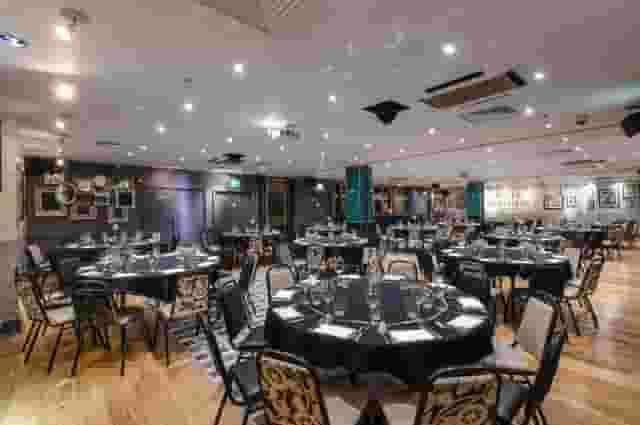
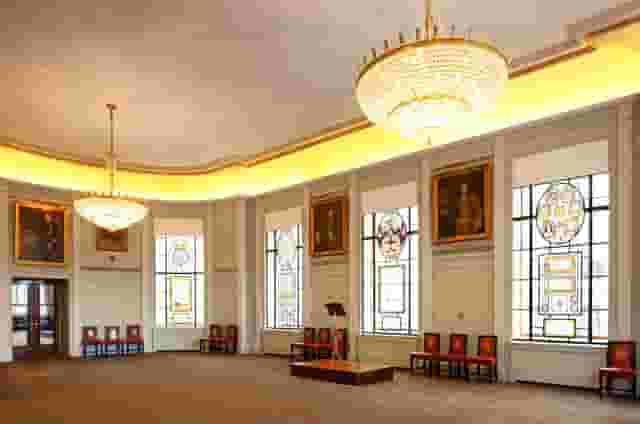
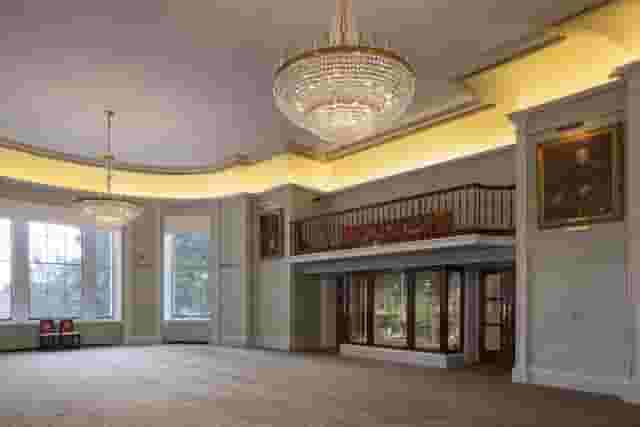
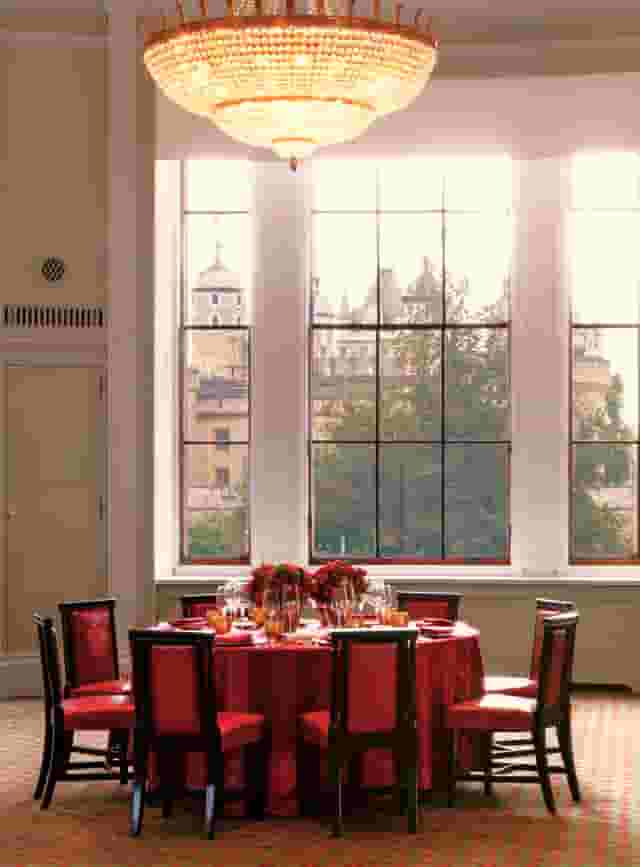
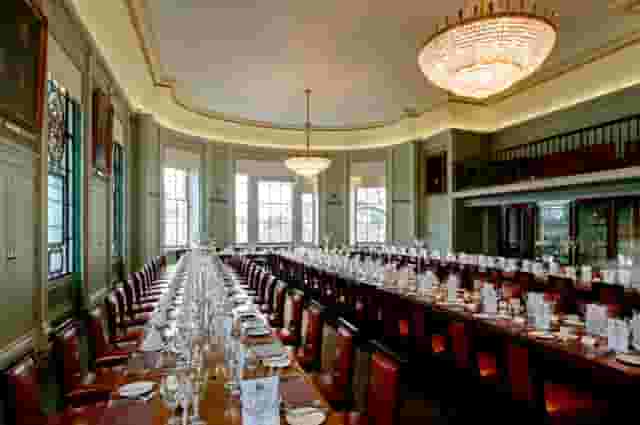
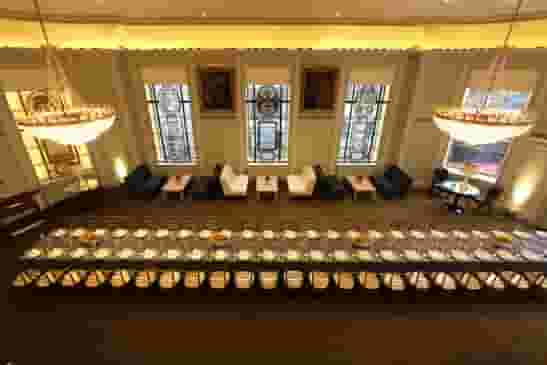
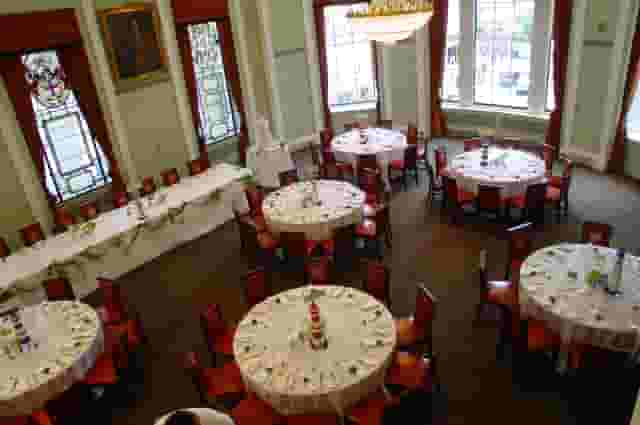
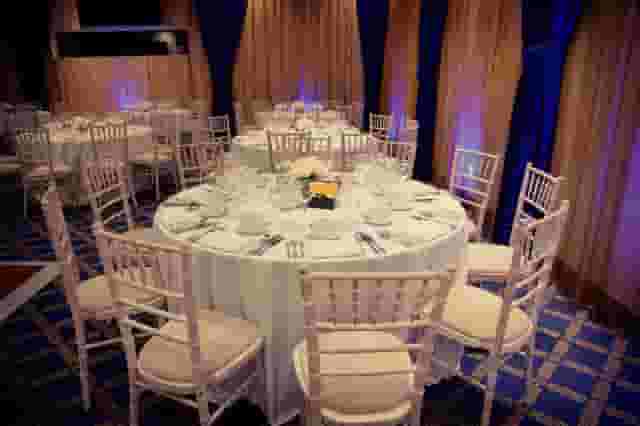
132 Historic in venues in London

















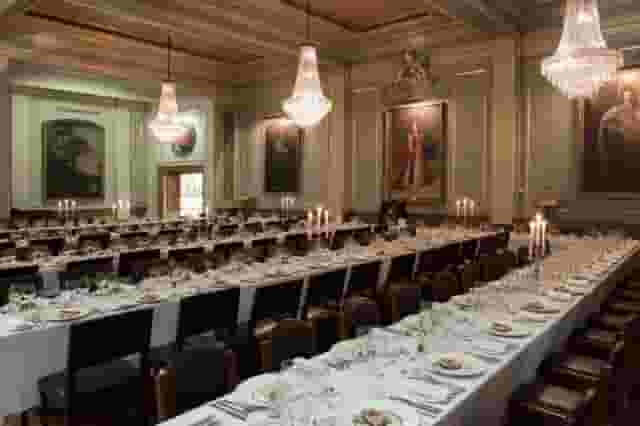













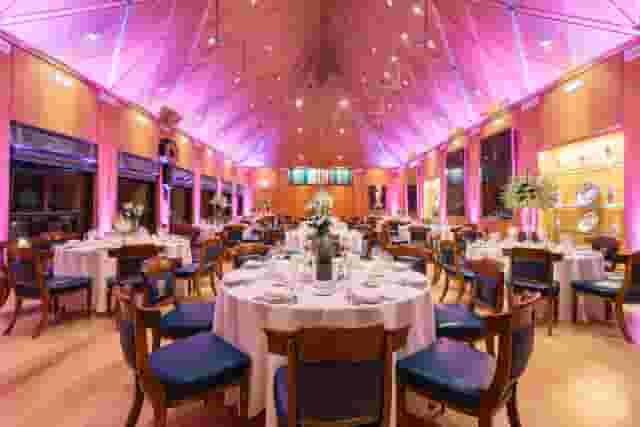
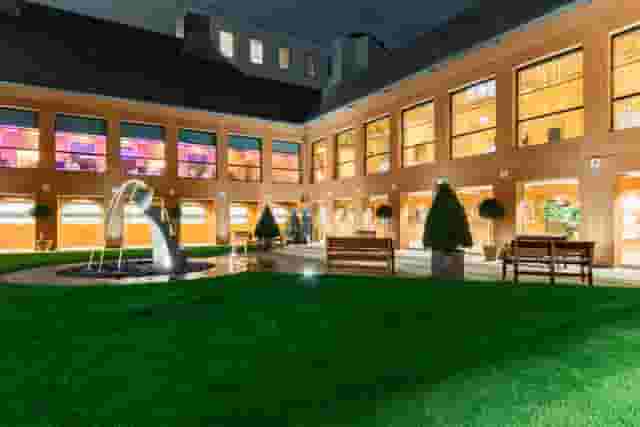
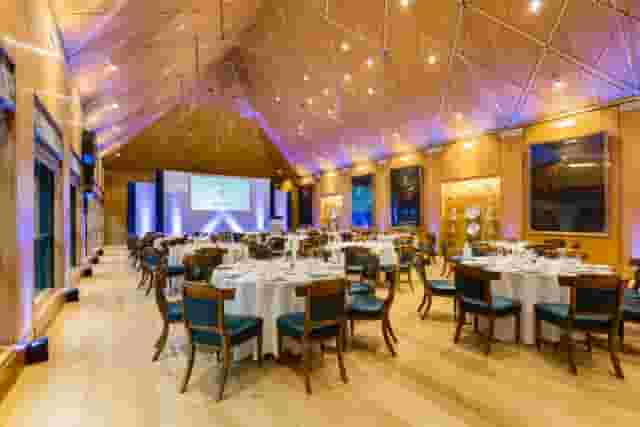
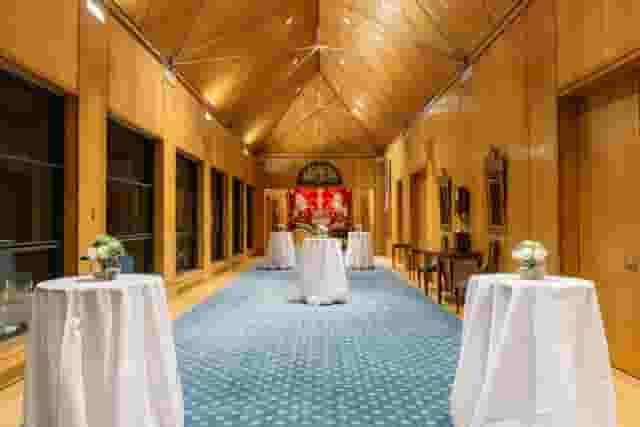



































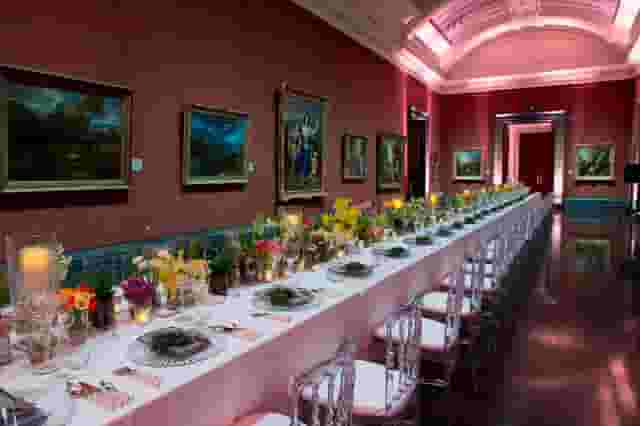
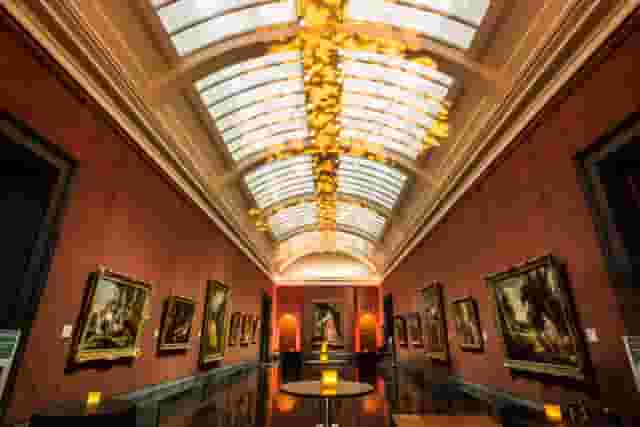
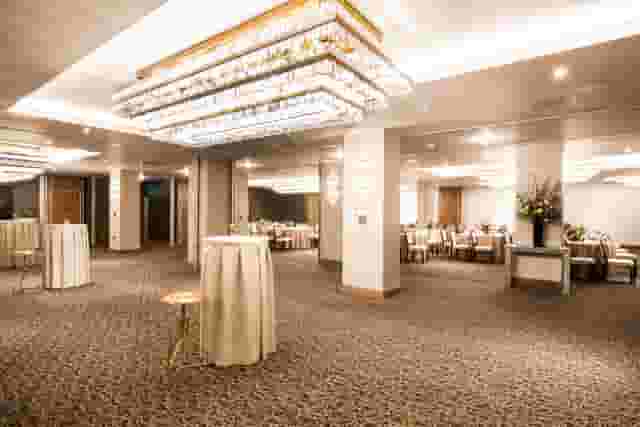
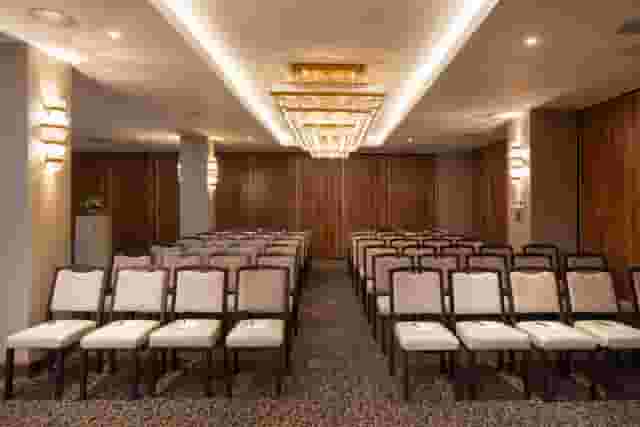


























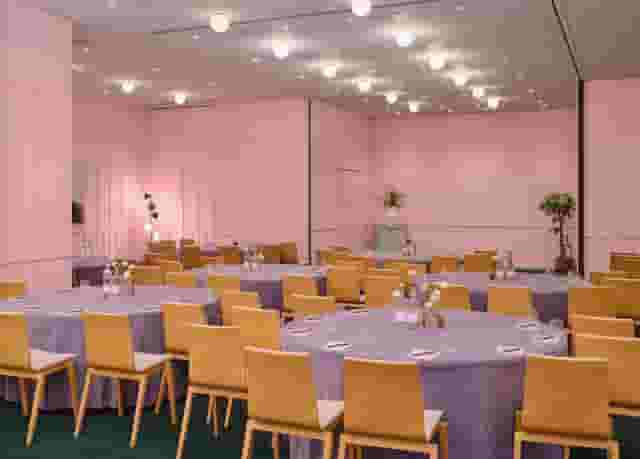
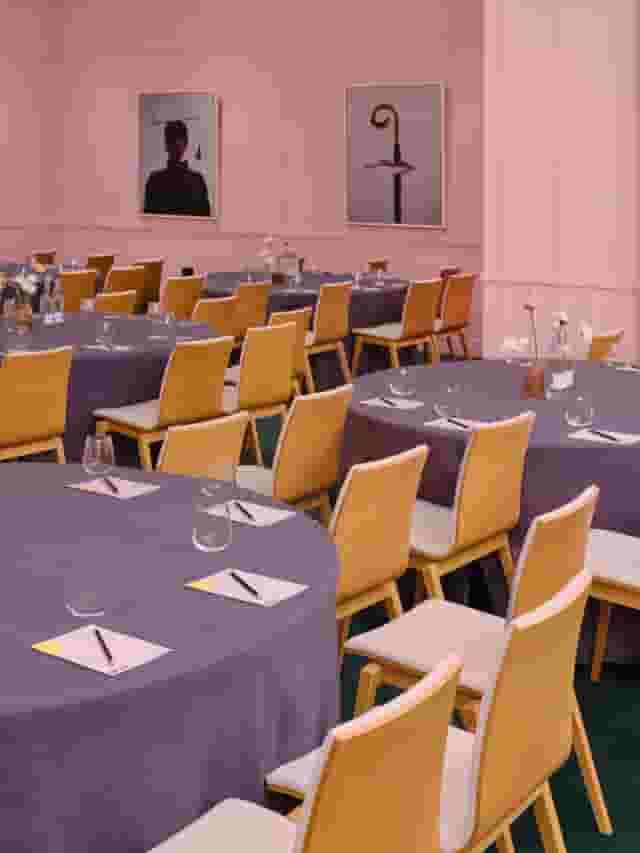
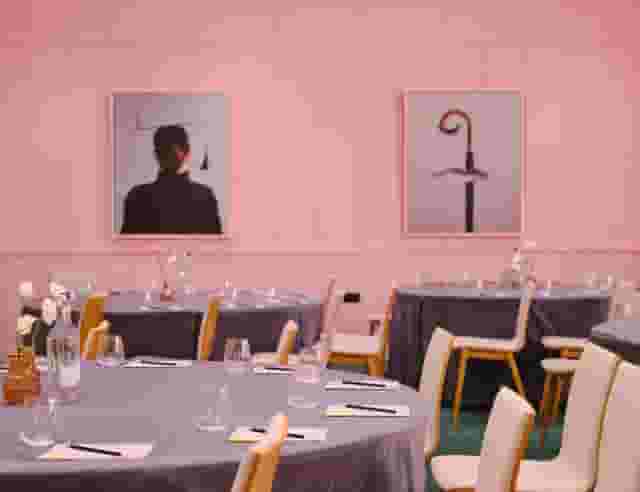
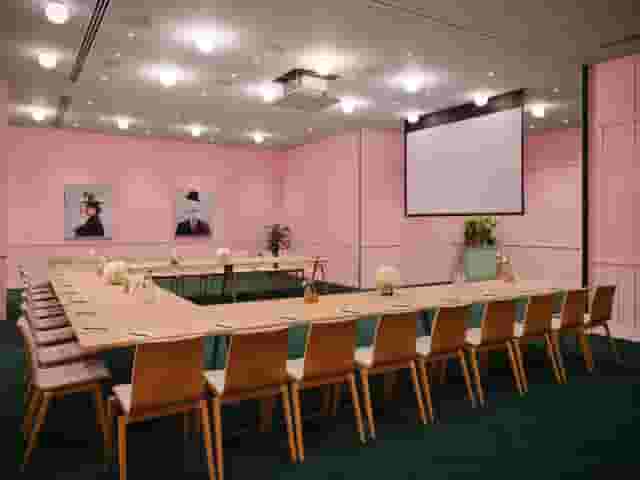























No venues match these filters
Try widening your capacity, luxury level or event type.
Don't have time to search? We'll find it for you.
For business events that need human judgement, talk to our team. Free for events of 100+ people, budgets over £10k or ongoing programmes.


Explore more venues in London











Other platforms search their database. We search everything.
Tell us what you need. Our deep research finds any venue, whether it's in our marketplace or not. No one else does this.
About Historic in London
Why London's Historic Venues Are Perfect for Your 100-Person Event (And What Makes Them Worth the Investment)
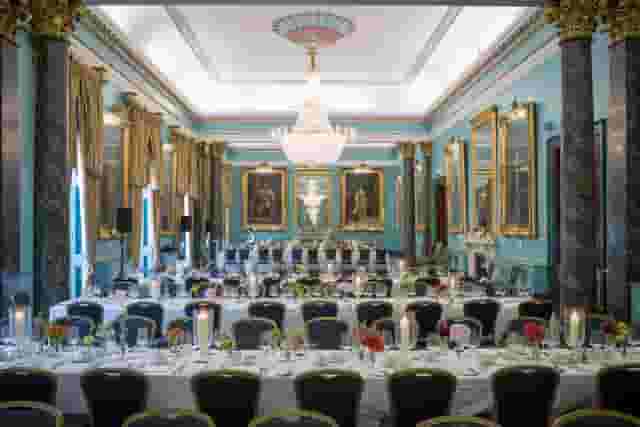
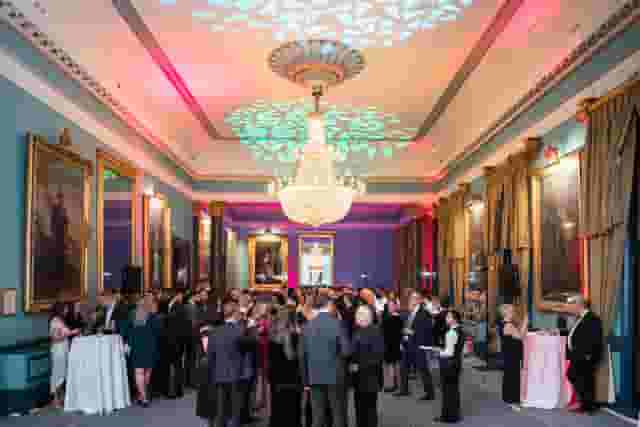
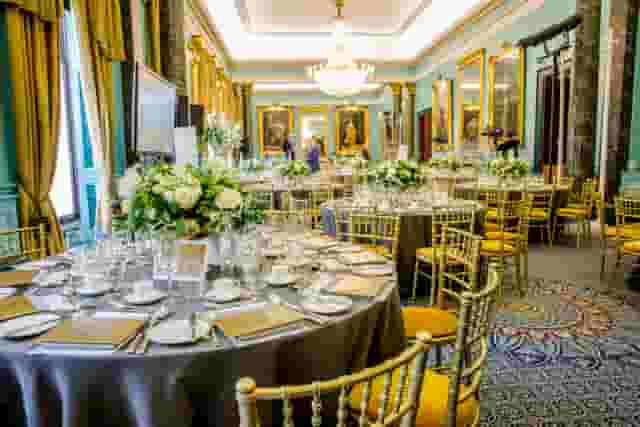
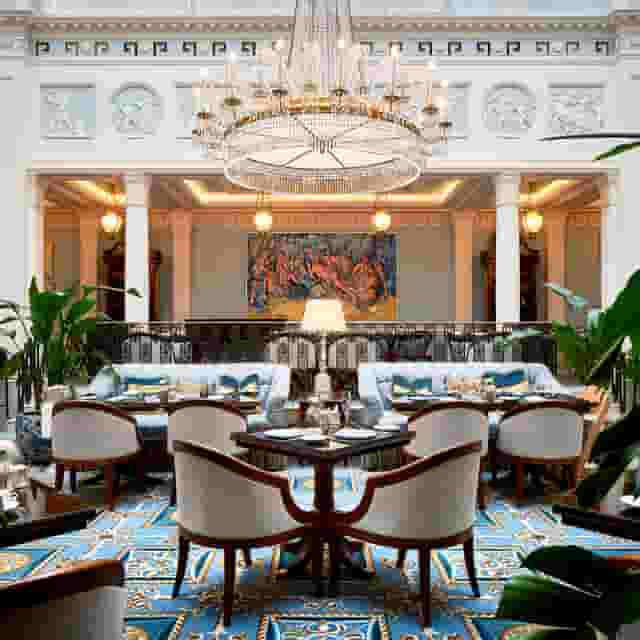
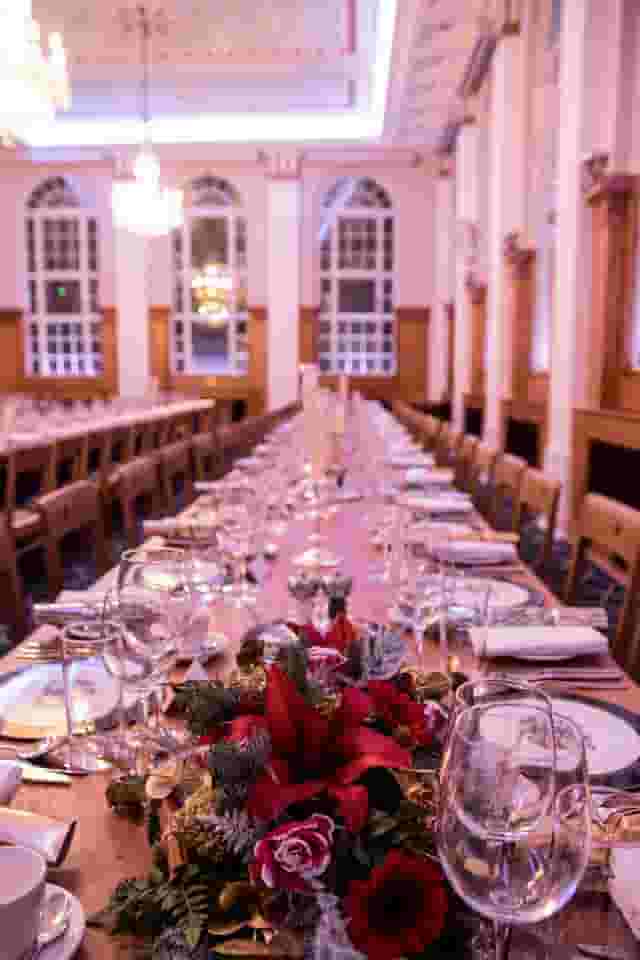
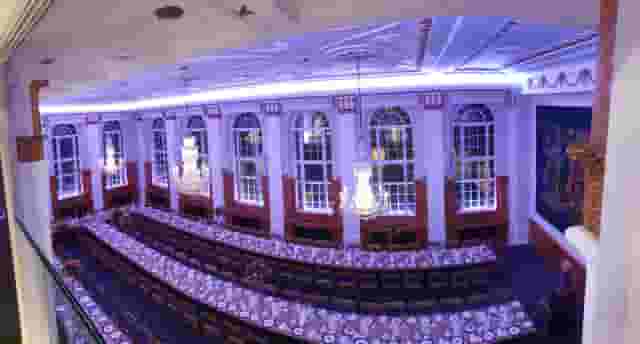
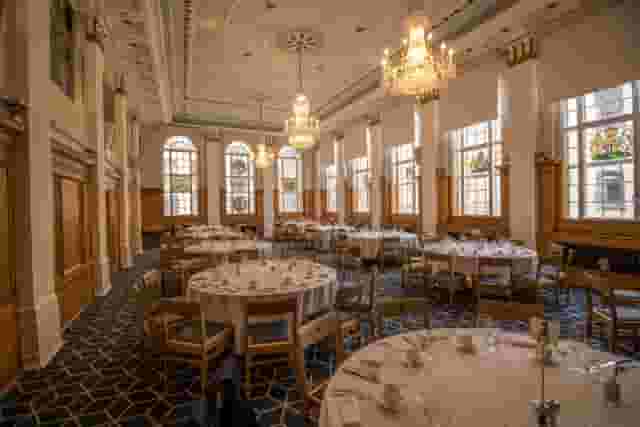
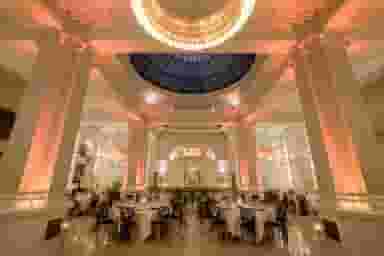
There's something magical about hosting your event in a space where history literally surrounds your guests. We've organised countless events in London's historic venues, and the feedback is always the same – people remember these experiences years later. When you're planning for 100 guests, these venues offer something modern spaces simply can't replicate: authentic character that creates instant conversation starters.
The numbers tell a compelling story. Historic venues in London typically range from £1,500 to £3,000 per day for 100-person events, which might seem steep until you consider what you're getting. These aren't just four walls – you're hiring centuries of craftsmanship, architectural details that would cost millions to recreate, and an atmosphere that transforms ordinary corporate gatherings into memorable occasions.
What Makes the Investment Worthwhile
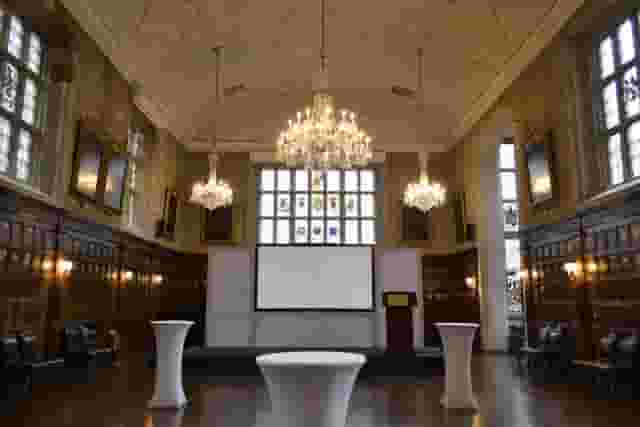
From our experience, the ROI on historic venues comes from three key areas. First, your guests arrive already impressed – there's no need for elaborate decorations when you've got original Georgian features or Victorian grandeur as your backdrop. Second, these venues photograph beautifully, giving you content that keeps working long after your event ends. Third, the prestige factor is real – hosting at a historic London venue signals that your organisation values quality and tradition.
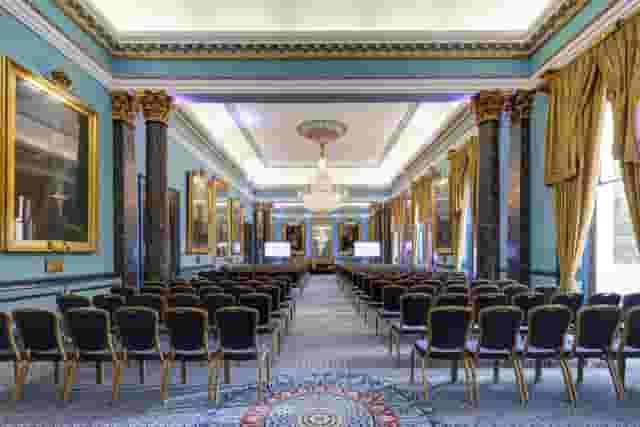
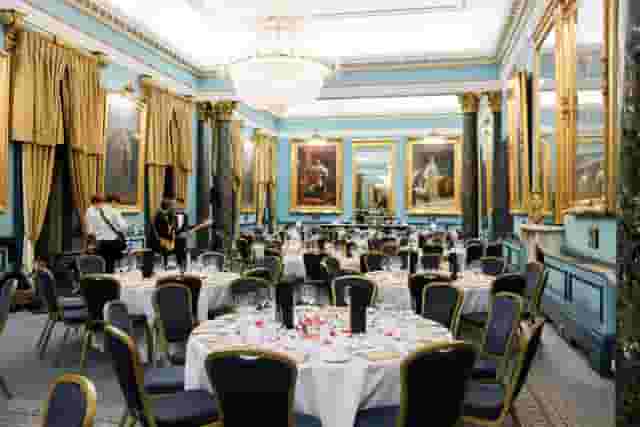
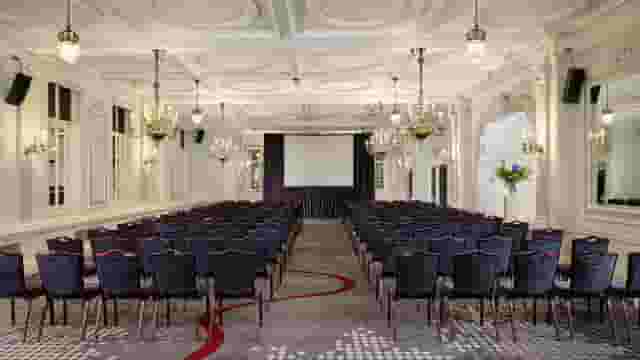
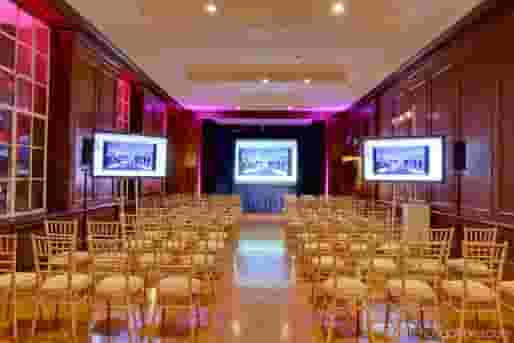
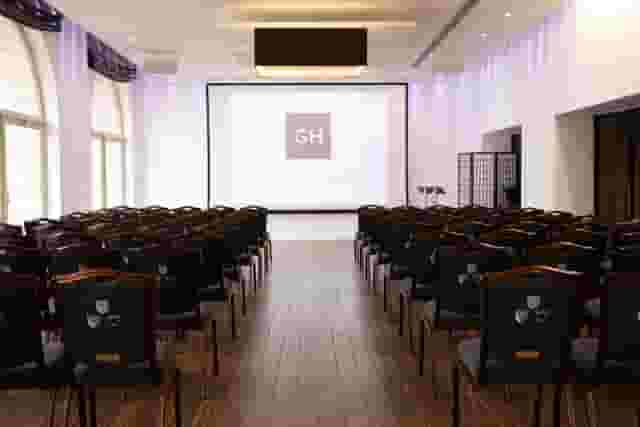
The practical benefits are equally compelling. Most historic venues for 100 people offer flexible layouts within their 150-200m² spaces, with ceiling heights of at least 3.5m that work brilliantly for presentations. The Amadeus Centre, for instance, manages theatre-style seating for 100, banquet arrangements for 80, or reception layouts for 120 guests – all within the same historic shell.
Smart Venue Selection for Maximum Impact
When we're advising clients, we always recommend considering venues that complement your event's purpose. Historic venues work particularly well for awards ceremonies, milestone celebrations, and high-stakes corporate meetings where you want to make a lasting impression. The key is matching the venue's character to your audience – a Georgian townhouse might suit a financial services client, while a converted Victorian warehouse could be perfect for creative agencies.
For corporate events, consider how these venues can enhance your corporate days out in London, offering unique networking opportunities that modern conference centres simply can't match. The informal conversations that happen around historic features often prove more valuable than the formal presentations.
Book early – the best historic venues for 100 people get snapped up 6-12 months in advance, especially for peak corporate seasons. Your investment in history pays dividends in memories that last long after the event ends.
The Essential Planning Guide: What Every Event Organiser Needs to Know Before Booking a Historic London Venue
Planning an event in a historic London venue isn't like booking your typical conference centre – there are unique considerations that can make or break your event if you're not prepared. We've learned this the hard way over the years, and honestly, the venues that look most impressive online can sometimes present the biggest operational challenges.
The Technical Reality Check You Need to Do First
Before you fall in love with those stunning period features, get the practical details sorted. Historic venues often have quirky layouts that look charming but can be logistical nightmares. Ask about power supply – you'll need at least 63 amps three-phase for proper AV setups, and many Georgian buildings weren't exactly designed with modern presentation needs in mind.
Internet connectivity is another potential pitfall. While most venues now offer minimum 50 Mbps, we've encountered beautiful 18th-century buildings where WiFi struggles to penetrate thick stone walls. Always request a site visit to test connectivity in the actual event space, not just the foyer.
Licensing and Insurance: The Boring Bits That Matter Most
Here's where many organisers get caught out – historic venues often require additional permits that modern spaces don't. You'll typically need a premises licence if you're serving alcohol, and some venues require Temporary Event Notices (TENs) for gatherings over certain sizes. Budget for public liability insurance of at least £5 million – it's standard, but the costs can surprise first-time historic venue bookers.
Fire safety regulations are particularly strict in older buildings. Ensure your venue has clear evacuation routes and that capacity limits account for these restrictions. We've seen events where the theoretical capacity of 100 drops to 80 once fire safety requirements are properly applied.
The Hidden Costs That Add Up Quickly
Historic venues rarely include everything in their base rate. Expect additional charges for heating older buildings (especially in winter), specialist cleaning for delicate surfaces, and security deposits for potential damage to period features. Factor in £200-500 extra for these essentials.
Consider accessibility requirements early – many historic buildings have steps, narrow doorways, or limited lift access that might affect your guest list. This is particularly relevant for team off-sites in North London where you want everyone to participate fully.
Start your venue search 8-12 months ahead for popular dates, and always have a backup plan. The most stunning venues book up fastest, but with proper planning, you'll secure a space that makes your event truly unforgettable.
Navigating London's Historic Venue Landscape: From Hidden Gems to Iconic Locations That Actually Work for 100 Guests
The challenge with London's historic venue scene isn't finding options – it's finding ones that actually function well for your specific group size. We've toured dozens of venues that look spectacular in photos but fall apart when you try to seat 100 people comfortably or set up proper AV equipment.
The Sweet Spot: Venues That Balance Character with Functionality
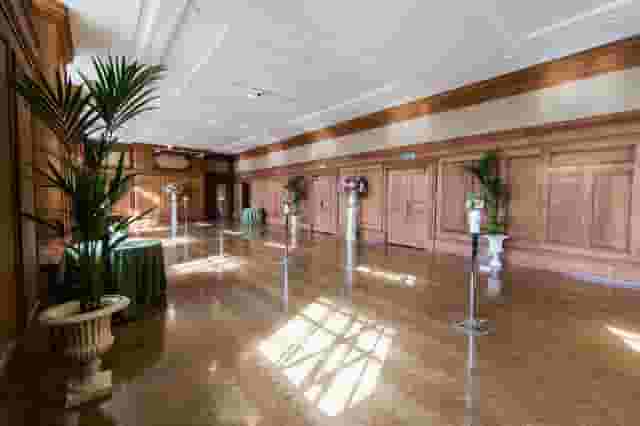
For 100 guests, you're looking for spaces between 150-200m² with flexible layouts. The real gems are venues like converted Georgian assembly rooms or Victorian guild halls that were originally designed for gatherings. These spaces naturally accommodate your numbers without feeling cramped or cavernous.
We've found the most successful venues offer multiple configuration options within the same space. Look for venues that can handle theatre-style seating for 100, switch to banquet layouts for 80, or open up for reception-style networking for 120. This flexibility is crucial because your event flow will likely need different setups throughout the day.
Location Strategy That Actually Makes Sense
Central London venues command premium rates (£2,500-£3,000 per day), but the transport links often justify the cost. However, some of our most successful events have been in Zone 2-3 historic venues where rates drop to £1,500-£2,000 while still offering excellent character and accessibility.
Consider venues near major transport hubs like King's Cross or Liverpool Street – your guests can reach these locations within 25 minutes from anywhere in London. This is particularly valuable for team off-sites in South London where you want maximum attendance without the central London price tag.
The Hidden Gems Worth Investigating
Some of London's best-kept secrets are historic venues in areas like Southwark or Islington that offer genuine period features without the Mayfair markup. Former banking halls, converted churches, and guild buildings often provide the perfect blend of grandeur and practicality for 100-person events.
| Venue Type | Typical Rate Range | Best For | Key Considerations |
|---|---|---|---|
| Georgian Townhouses | £2,000-£3,000 | Corporate meetings, awards | Limited parking, multiple floors |
| Victorian Halls | £1,500-£2,500 | Conferences, celebrations | Good acoustics, flexible layouts |
| Converted Churches | £1,800-£2,800 | Unique events, launches | High ceilings, dramatic lighting |
The venues that work best for 100 people are those where the original architects actually planned for gatherings. Check out resources like The Top 5 Historic Meeting Rooms in London for specific recommendations that we've personally vetted.
Start your search by identifying three potential venues in different price brackets, then visit each one with your specific requirements in mind. The perfect historic venue for your 100 guests is out there – it just takes knowing where to look.
The Real Costs and Smart Booking Strategies That Save Money on Historic Venue Hire in London
Let's talk money – because understanding the real costs of historic venue hire in London can mean the difference between a budget-busting nightmare and a strategically brilliant investment. After years of negotiating these bookings, we've learned that the sticker price is just the starting point.
The baseline rates we mentioned earlier (£1,500-£3,000 per day) are genuinely what you'll pay, but here's what most organisers don't budget for: the extras that can add 30-40% to your final bill. Historic venues often charge separately for heating (£150-300 in winter), specialist cleaning for period features (£200-400), and security deposits (£500-1,000) that tie up your cash flow for weeks.
The Timing Game That Saves Serious Money
Here's an insider secret: historic venues have different peak seasons than modern conference centres. While corporate venues charge premiums for Tuesday-Thursday bookings, many historic venues actually offer better rates midweek because they're targeting the wedding market on weekends. We've secured 20-25% discounts by booking Tuesday or Wednesday events at venues that would charge full rates on Saturdays.
January through March is your golden window. Historic venues are desperate for bookings after the Christmas party season, and you can often negotiate package deals that include extras like AV equipment or catering at cost. One client saved £800 on a February booking simply by asking if the venue had any "quiet period" rates available.
Smart Negotiation Tactics That Actually Work
Don't just accept the first quote – historic venues often have flexibility built into their pricing. Ask about multi-year bookings if you're planning annual events, or package deals if you're considering the venue for multiple occasions. We've seen clients secure 15% discounts by committing to two events within 18 months.
Consider off-peak times strategically. A 2pm-8pm slot often costs the same as 9am-5pm but feels more premium to guests. Evening events in historic venues create natural networking opportunities that complement corporate days out in London beautifully.
The Hidden Value Opportunities
Some historic venues offer incredible value-adds that modern spaces charge extra for. Original architectural features mean you'll spend less on decorations, and many venues include period furniture that would cost hundreds to hire elsewhere. Factor these savings into your budget comparison – that £2,500 historic venue might actually cost less than a £2,000 modern space once you add styling costs.
Book 8-12 months ahead for the best rates, but don't be afraid to ask about last-minute availability. Historic venues sometimes offer 30-40% discounts for bookings within 6 weeks, especially during quieter periods.
Avoiding the 7 Most Common Mistakes When Hosting Events in London's Historic Venues
We've seen brilliant events turn into disasters because organisers underestimated the unique challenges that come with historic venues. After managing hundreds of events in London's period buildings, we've identified the seven mistakes that crop up repeatedly – and they're all completely avoidable with proper planning.
Mistake #1: Assuming Modern AV Will Just Work
The biggest shock for first-time historic venue bookers is discovering that your standard presentation setup might not function properly. Those beautiful Georgian windows that look stunning in photos? They create terrible glare on screens during afternoon events. We've watched £50,000 product launches fail because organisers didn't account for natural light interference.
Always request blackout options and test your AV setup during a site visit at the same time of day as your event. Many historic venues charge £200-400 extra for proper blackout solutions, but it's essential for professional presentations.
Mistake #2: Overlooking Accessibility Requirements
Historic buildings weren't designed with modern accessibility standards, and this catches many organisers off-guard. We've seen events where 10-15% of invited guests couldn't attend because of step access or narrow doorways. Always check lift capacity (many period buildings have tiny lifts), step-free routes, and accessible toilet facilities before confirming your guest list.
Mistake #3: Underestimating Setup and Breakdown Time
Period buildings often have complex layouts that add hours to your setup schedule. Those charming spiral staircases and narrow corridors that look perfect for photos become logistical nightmares when you're moving equipment. Factor in an extra 2-3 hours for setup in historic venues compared to modern conference centres.
Mistake #4: Ignoring Heating and Climate Control
Victorian buildings can be freezing in winter and stifling in summer, with limited climate control options. We've attended events where guests kept their coats on throughout presentations because organisers didn't budget for adequate heating. Expect to pay £150-300 extra for climate control in older buildings, especially during peak winter months.
Mistake #5: Forgetting About Parking and Transport Logistics
Many historic venues in central London have zero parking, and this reality hits hardest when you're expecting 100 guests. Always provide detailed transport instructions and consider venues near major stations. This is particularly crucial for team off-sites in South East London where public transport links vary significantly.
Mistake #6: Not Planning for Acoustic Challenges
High ceilings and hard surfaces in historic buildings create echo problems that can ruin presentations. We've seen speakers struggle to be heard in beautiful Victorian halls because organisers didn't invest in proper sound systems. Budget £300-500 for professional audio equipment that can handle the acoustic challenges of period architecture.
Mistake #7: Overlooking Insurance and Damage Liability
Historic venues are understandably protective of their period features, and damage deposits can be substantial – often £1,000-2,000 for 100-person events. More importantly, standard event insurance might not cover damage to historic fixtures. Verify your coverage includes period features and antique furnishings.
The key to avoiding these pitfalls is thorough site visits and honest conversations with venue managers about potential challenges. Check out 9 London Venues You Didn't Know You Could Hire for examples of venues that handle these considerations particularly well.
Start your planning 12 months ahead, visit during similar conditions to your event, and always have contingency plans. Historic venues reward careful planning with unforgettable experiences.
What our customers say
Inspiration and planning guides

Top 5 Historic London Venues
With modern marvels such as 'The Gherkin' and 'The Shard' now dominating London's skyline, we felt it was time to pay tribute to our older, yet equally impressive event spaces [https://hirespace.com/Browse/Unusual-Event-Venues-London]. James Roche brings you five historic London venues! Drapers Hall The original hall may have been destroyed by the fire of London but with the present incarnation dating back to 1772, this superb venue is (hold on while I take off my socks to count) still sixtee

Venue Review: Weddings at Hampton Court Palace
Standing on the grounds of Hampton Court Palace is truly like standing in the footsteps of the most important figures and captivating characters in British history. Cardinal Thomas Wolsey resided in the Palace from 1515, until the charming Henry VIII decided to make it his own, after making the building lavish and luxurious – fit for a king (and his six queens – separately, of course). James I threw late-night parties in the Great Hall, and Shakespeare's troupe of players performed for the ro

Unique Venue of the Month: Royal Liver Building
There's a myth about the iconic "Liver Birds" at the top of the stunning Royal Liver Building [https://hirespace.com/Spaces/Liverpool/53567/The-Venue-Royal-Liver-Building/The-Venue/Events] . It claims that if they ever fly away, Liverpool will sink into the River Mersey. Thankfully, this has never happened to the beautiful city of Liverpool. Proudly standing as the tallest building in Europe when it was erected in 1911, the Royal Liver Building was originally constructed as a home to a group
One supplier. Every venue. Full visibility on what you spend.
Multiple venues and events. One agreement.