Corporate Conference Venu in London
Explore top corporate conference venues in London suitable for 200 attendees.
18 Corporate Conference Venu in venues in London
























































































No venues match these filters
Try widening your capacity, luxury level or event type.
Don't have time to search? We'll find it for you.
For business events that need human judgement, talk to our team. Free for events of 100+ people, budgets over £10k or ongoing programmes.


Explore more venues in London




















Frequently asked questions
What parking requirements exist for 200-person London conferences?
Which London areas offer best transport access for conference venues?
What does a 200-person corporate conference cost per delegate in London?
What accessibility features must 200-person conference venues provide?
What AV equipment is essential for 200-person corporate conferences?
How many breakout rooms do 200-person conferences typically need?
Do London conference venues charge extra for weekend corporate events?
How much space do you need for a 200-person corporate conference?
How far in advance should you book London conference venues for 200 people?
What catering capacity do 200-person conference venues need?
Other platforms search their database. We search everything.
Tell us what you need. Our deep research finds any venue, whether it's in our marketplace or not. No one else does this.
About Corporate Conference Venu in London
Why London's Corporate Conference Scene Has Transformed for 200-Person Events
The corporate conference landscape in London has undergone a remarkable shift over the past five years, particularly for mid-scale events hosting around 200 delegates. What we're seeing isn't just evolution – it's a complete reimagining of how businesses approach their most important gatherings.
The numbers tell a compelling story. Where once you'd struggle to find venues that could comfortably accommodate 200 people without feeling either cramped or cavernous, London now boasts over 150 purpose-built spaces specifically designed for this sweet spot. The demand has been driven by a fascinating trend: companies are moving away from massive 500+ person conferences in favour of more intimate, engagement-focused events that still pack serious impact.
The Hybrid Revolution Changes Everything
Perhaps the most significant transformation has been the integration of hybrid capabilities. Modern 200-person venues now come standard with professional streaming setups, multiple camera angles, and dedicated virtual attendee management – features that were luxury add-ons just three years ago. We're talking about venues like those featured in London's 8 Best Hybrid Ready Conference Venues, where the technology seamlessly blends physical and digital experiences.
The financial implications are substantial too. Day delegate rates have stabilised between £55-£120+ depending on location and specification, but the value proposition has dramatically improved. You're now getting integrated AV packages, professional tech support, and flexible space configurations that would have cost thousands extra in the past.
Location Strategy Has Become More Sophisticated
What's particularly interesting is how venue selection has become more strategic. Rather than defaulting to traditional hotel conference centres, savvy event planners are exploring unconventional conference venues that offer unique networking opportunities and memorable experiences. Think converted warehouses in Shoreditch, historic buildings near the Thames, or even cinema venues that create blockbuster experiences.
The accessibility requirements have also tightened considerably. Every venue worth considering now provides comprehensive accessibility features as standard – hearing loops, step-free access, and accessible parking – rather than treating these as afterthoughts.
Looking ahead, the venues that are thriving understand that 200-person conferences need to feel both intimate and impressive. They're investing in modular spaces that can transform throughout the day, from formal presentations to collaborative workshops to networking receptions, all within the same footprint.
The key takeaway? London's conference scene has matured to perfectly serve the 200-person market, but only if you know how to navigate the new landscape effectively.
The Essential Blueprint: What Every 200-Person Corporate Conference Actually Needs
After organising dozens of 200-person corporate conferences across London, I've learned that success hinges on getting the fundamentals absolutely right. It's not about finding the fanciest venue – it's about understanding the precise requirements that make or break events at this scale.
Space Configuration That Actually Works
The magic number for 200-person conferences is 1,200-1,400 square metres of total space, but here's where most people get it wrong – that's not just your main auditorium. You need roughly 800 sqm for your primary conference space (allowing 4 sqm per person for theatre-style seating), plus an additional 400-600 sqm for registration, catering areas, and essential breakout spaces.
Ceiling height is absolutely critical and often overlooked. Anything under 3.5 metres will feel oppressive with 200 people, poor acoustics, and inadequate lighting. The best venues offer 4+ metre ceilings, which transform the entire atmosphere and allow for proper AV rigging.
The Technology Infrastructure That Can't Fail
Your AV requirements scale exponentially at 200 people. We're talking about 4-6 wireless microphones minimum (trust me, you'll need them all), professional sound systems with zone control, and screens large enough that the person in the back row can actually read your slides – that means 3+ metre wide displays.
The internet bandwidth requirements are often underestimated. With 200 people potentially streaming, posting, and participating in live polls, you need minimum 200 Mbps symmetrical connectivity. Many venues still offer basic broadband that simply can't cope. Always test the connection during your site visit, not just ask about it.
Breakout Strategy for Maximum Engagement
Here's an insider tip: plan for 4-6 breakout rooms accommodating 25-35 people each. This isn't just about parallel sessions – it's about creating intimate networking opportunities that larger conferences simply can't achieve. The rooms should be within a 2-minute walk of your main space to maintain energy and flow.
The Catering Reality Check
Two hundred people create serious logistical challenges. You need minimum 2-3 service points to avoid those dreaded 20-minute coffee queues that kill momentum. The catering space should accommodate 60-80 people simultaneously during breaks – any less and you'll have bottlenecks that disrupt your carefully planned schedule.
Smart venues now offer pre-ordering systems and dietary requirement management that can handle the complexity of 200 individual preferences. This level of detail separates professional conferences from amateur hour.
The venues that understand these requirements – like those highlighted in The Top 10 Large Conference Venues in London – have invested in the infrastructure to deliver seamlessly. Your next step is creating a detailed requirements checklist based on these fundamentals before you even start venue hunting.
Mastering London's Conference Geography: Where Location Makes or Breaks Your Event
Location isn't just about prestige when you're planning a 200-person corporate conference in London – it's about practical logistics that can make or break your entire event. After years of watching brilliant conferences stumble because of poor location choices, I've developed a framework that consistently delivers results.
The Transport Triangle That Actually Works
The golden rule for 200-person events is the "10-minute rule" – your venue should be within 10 minutes' walk of a major transport hub. But here's the crucial bit: not all transport hubs are created equal. King's Cross, Liverpool Street, and London Bridge offer multiple tube lines and rail connections, meaning if one line has delays, your delegates have alternatives.
I've seen conferences in beautiful venues near single-line stations turn into disasters when that one line had problems. With 200 people travelling from across London and beyond, you need redundancy built into your transport strategy.
The Hidden Costs of Central vs. Peripheral Locations
Central London venues command premium rates – we're talking £75-£120+ per delegate versus £50-£100+ in Greater London zones. But before you automatically choose the cheaper option, consider the hidden costs. A venue in Zone 3 might save you £20 per delegate on room hire, but if it adds 45 minutes to everyone's journey time, you're effectively asking your attendees to donate an extra hour and a half of their day.
The sweet spot we've found is venues in Zones 1-2 with excellent transport links. Areas like Canary Wharf, South Bank, and the emerging King's Cross district offer the perfect balance of accessibility and value. These locations also provide excellent networking opportunities – your delegates can easily extend conversations over dinner at nearby restaurants.
Parking Reality Check for Corporate Events
Here's something most planners get wrong: assuming everyone will use public transport. For 200-person corporate conferences, typically 15-20% of attendees will drive, especially senior executives and those travelling from outside London. Central London venues rarely offer more than 10-20 parking spaces, so you need a strategy.
Venues near Park & Ride facilities or those with partnerships with nearby car parks work brilliantly. Budget £25-£40 per day per parking space – yes, it's expensive, but it's often non-negotiable for key stakeholders.
The Neighbourhood Effect on Networking
Location impacts networking in ways you might not expect. Venues in business districts like the City or Canary Wharf create natural networking opportunities – your delegates are likely to bump into industry contacts in nearby cafés and bars. Areas with diverse dining options within walking distance extend the conference experience naturally.
Consider exploring some of the exceptional West London venues that offer this perfect blend of accessibility and networking potential.
Your next step is mapping your delegate origins and choosing a location that minimises total travel time across your entire group, not just from your office.
The Real Cost of Excellence: Smart Budgeting for 200-Person Corporate Conferences
The biggest mistake I see with 200-person conference budgets isn't overspending – it's underestimating the true cost of quality. After watching countless events succeed or fail based on budget decisions, I can tell you that smart budgeting for this scale requires a completely different approach than smaller meetings or massive conferences.
The 40-30-30 Rule That Actually Works
Here's the budget breakdown that consistently delivers results: 40% venue and catering, 30% AV and technology, 30% logistics and contingency. Most planners get this backwards, spending 60% on venue and scrambling to make the technology work with whatever's left. At 200 people, your AV requirements aren't just scaled-up versions of smaller events – they're fundamentally different beasts requiring professional-grade equipment and dedicated technical support.
Day delegate rates in London range from £55 for basic venues to £120+ for premium spaces, but here's what those numbers actually mean. A £55 DDR typically gets you a meeting room, basic catering, and standard AV. A £120+ DDR includes professional streaming capabilities, dedicated tech support, flexible space configurations, and premium catering with dietary management systems. For 200 people, that difference translates to £13,000 versus £24,000+ – but the value gap is enormous.
The Hidden Costs That Blindside Budgets
The real budget killers aren't obvious. Overtime charges can add £2,000-£5,000 if your event runs long – and with 200 people, delays are almost inevitable. Additional AV requirements discovered during rehearsals can cost £3,000-£8,000. Parking fees for 30-40 spaces at £25-£40 per day add up quickly.
Smart planners build in a 15-20% contingency specifically for these scale-related surprises. It's not pessimism – it's professional planning based on the reality that 200-person events have complexity that smaller gatherings simply don't face.
Seasonal Strategy for Maximum Value
Timing your conference strategically can save thousands. Q2 and Q3 offer 20-30% savings compared to peak periods in September-November and February-May. Tuesday-Thursday bookings command premium rates, but Monday or Friday events can reduce costs significantly while still maintaining professional credibility.
Consider venues featured in guides like corporate venues loved by London PAs – these professionals understand value and have negotiated relationships that can benefit your budget.
The Investment vs. Cost Mindset
The most successful 200-person conferences treat venue selection as an investment in outcomes, not just a cost centre. A venue that facilitates better networking, smoother logistics, and memorable experiences delivers ROI that far exceeds the price difference between good and great options.
Your next step is creating a detailed budget spreadsheet that accounts for these scale-specific realities, then adding that crucial contingency buffer that separates professional events from amateur disasters.
From Booking to Brilliance: Your Complete Guide to Flawless Conference Execution
The difference between a good 200-person corporate conference and a brilliant one isn't luck – it's methodical execution that starts the moment you confirm your booking. Having orchestrated dozens of these events across London, I can tell you that the 3-6 month booking window isn't just about securing your preferred venue; it's about building the foundation for seamless delivery.
The 90-Day Countdown That Prevents Disasters
Your execution timeline should work backwards from event day. 90 days out, confirm all technical requirements with your venue's AV team. Don't just email a list – schedule a proper technical rehearsal. With 200 delegates, you can't afford to discover on the day that your presentation software isn't compatible with their system or that the wireless microphones have dead zones in your seating area.
60 days before, lock in your catering numbers and dietary requirements. Here's an insider tip: always add 10% to your confirmed numbers. With 200 people, last-minute additions are inevitable, and venues that can accommodate this flexibility separate themselves from the rest. The best venues, like those featured in conference venues with charm, build this adaptability into their service model.
The Registration Strategy That Sets the Tone
Registration for 200 people requires serious logistics planning. Plan for 3-4 registration desks with dedicated staff, allowing 2-3 minutes per person. That means your registration window needs to be at least 90 minutes to avoid queues that immediately create negative first impressions.
Smart venues now offer pre-registration technology with QR codes and self-check-in kiosks that can handle 60-70% of your arrivals automatically. This isn't just about efficiency – it's about creating a professional, modern experience that reflects well on your organisation.
The Day-Of Execution Framework
Your event day should run on 15-minute interval checks across all key areas: registration, AV, catering, and breakout rooms. Assign specific team members to each area with clear escalation procedures. With 200 people, small problems become big problems quickly if not caught early.
The venues that consistently deliver flawless events understand this operational complexity. They provide dedicated event coordinators who work alongside your team, not just hand over the keys and disappear.
Consider exploring resources like 6 corporate event trends for 2025 to ensure your execution incorporates the latest best practices.
Your next step is creating a detailed execution timeline with specific checkpoints and responsibilities assigned to team members, ensuring nothing falls through the cracks during those crucial final weeks.
What our customers say
Inspiration and planning guides
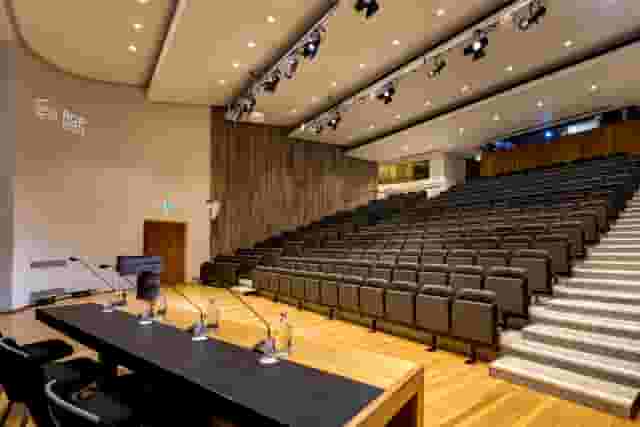
5 Conference Venues With Outside Space
Discover 5 standout London, UK conference venues with outside space. Compare capacities, amenities and layouts for summer conferences, outdoor networking and fresh-air breakouts. Plan your next corporate event with ease.

Unique Venue of the Month: Banqueting House
On a blustery winter's day in January 1649, the deposed King Charles I was beheaded by the victorious rebels of the Civil War. And the bloody execution took place just outside of our Unique Venue of the Month. Not many venues can claim to be of such historical significance, but Banqueting House [https://hirespace.com/Spaces/London/42821/Banqueting-House/Main-Hall/Weddings] – the only remaining part of the Palace of Whitehall, where English monarchs used to reside – played a major part in Briti

Sneak Peek: The Salters' Hall Refurbishment
Located in the heart of the City, Salters’ Hall combines the rich heritage of the salt trade of medieval London with contemporary surroundings. Rebuilt in 1972 by Basil Spence and now a Grade II listed building, it is a rare example of a post-war livery building and has remained largely untouched until now... Architects de Metz Forbes Knight [http://www.dmfk.co.uk/projects/load/salters-hall] (dMFK) were tasked with the project to upgrade the building whilst retaining its sense of history and al
One supplier. Every venue. Full visibility on what you spend.
Multiple venues and events. One agreement.