Conference Centre in London
Explore top conference centres in London suitable for 200 people.
18 Conference Centre in venues in London
















































No venues match these filters
Try widening your capacity, luxury level or event type.
Don't have time to search? We'll find it for you.
For business events that need human judgement, talk to our team. Free for events of 100+ people, budgets over £10k or ongoing programmes.


Explore more venues in London


















Frequently asked questions
What security measures do London conference centres require for 200 attendees?
What accessibility features must London conference venues provide for 200 guests?
Which London areas offer best transport access for conference attendees?
What AV equipment is standard in London conference centres for 200 delegates?
How far in advance should you book London conference venues for 200 people?
What ceiling height do London conference centres need for 200 people?
What catering space requirements apply to 200-person London conferences?
How much exhibition space do 200-delegate London conferences typically need?
How much does a day delegate rate cost for 200-person conferences in London?
How many breakout rooms do 200-person London conferences typically need?
Other platforms search their database. We search everything.
Tell us what you need. Our deep research finds any venue, whether it's in our marketplace or not. No one else does this.
About Conference Centre in London
Why London's Conference Centres Are Perfect for Your 200-Person Event (And What Makes Them Different)
When you're planning a conference for 200 delegates, London isn't just another venue option – it's the venue option that transforms your event from good to genuinely memorable. After organising countless conferences across the capital, I can tell you that London's conference centres offer something you simply won't find elsewhere: the perfect blend of world-class infrastructure, unmatched accessibility, and that indefinable energy that keeps delegates engaged from morning coffee to evening networking.
The numbers tell the story brilliantly. London conference centres designed for 200 people typically offer 350-375 square metres of flexible space – that's enough room for theatre-style seating, breakout areas, and exhibition space without feeling cramped. Take venues like Convene 200 Aldersgate, where you're looking at £900-£1,200 per hour for a space that can accommodate 200-400 delegates depending on your layout. Yes, it's an investment, but when you factor in the built-in AV systems, natural light with blackout capabilities, and proximity to transport hubs, the value becomes crystal clear.
What Sets London Apart for Mid-Scale Conferences
Here's what I've learned from years of venue hunting: London's conference centres excel at the 200-person sweet spot because they're purpose-built for business. Unlike converted hotels or makeshift spaces, these venues understand that 200 delegates need specific things – multiple breakout rooms (typically 4-6 spaces for 25-35 people each), dedicated exhibition areas of 100-150 square metres, and catering facilities that can handle dietary requirements without disrupting your main programme.
The transport connectivity is genuinely game-changing. When 90% of your delegates can reach venues near King's Cross, Liverpool Street, or Waterloo within 30 minutes, you're already ahead of the game. I've seen conferences in other cities lose half their morning attendance to transport delays – that simply doesn't happen in London's well-connected conference districts.
The Technology Advantage
London venues have embraced hybrid conferencing like nowhere else. Standard equipment now includes 4K projectors, wireless presentation systems, and enterprise-grade Wi-Fi delivering 100-200 Mbps. For London's 8 Best Hybrid Ready Conference Venues, this tech infrastructure isn't an add-on – it's fundamental to how these spaces operate.
The real differentiator? London's conference centres understand that 200-person events need flexibility. Day delegate rates range from £55-75 in central areas to £100-120+ for premium venues, but you're paying for adaptability. Need to switch from theatre to cabaret layout mid-event? No problem. Want to live-stream breakout sessions? Already built in.
Your next step is identifying which London district aligns with your delegate demographics and budget parameters – because once you experience London's conference infrastructure, everywhere else feels like a compromise.
The 5 Essential Requirements Every 200-Delegate Conference Centre Must Meet
After two decades of venue hunting, I've developed what I call the "non-negotiables checklist" for 200-delegate conferences. Miss any of these five essentials, and you'll spend your event day firefighting instead of facilitating brilliant discussions. Trust me, I've learned this the hard way.
Space That Actually Works (Not Just Looks Good)
Your venue needs a minimum 350 square metres of main conference space – that's roughly 1.75 square metres per delegate for comfortable theatre seating. But here's the insider tip: always ask about the usable space versus total space. I've been caught out by venues that include pillars, awkward corners, and fixed installations in their square footage calculations.
The ceiling height matters more than most people realise. You need at least 3.5 metres for proper AV rigging and air circulation. Anything lower and your delegates will feel claustrophobic by lunch, plus your sound quality suffers dramatically. Premium venues like those featured in The Top 10 Large Conference Venues in London understand this – they typically offer 4+ metre ceilings as standard.
Breakout Flexibility That Doesn't Break Your Budget
Here's where many venues fall short: they promise breakout spaces but deliver glorified cupboards. For 200 delegates, you need 4-6 breakout rooms accommodating 25-35 people each. Each room requires independent AV systems – shared equipment means chaos when sessions overrun.
The golden rule? Visit during a live event if possible. I once toured a venue that looked perfect empty but became a nightmare when 200 people tried to move between spaces simultaneously. Corridors that seemed spacious became bottlenecks, and the "quick changeover" between sessions took 15 minutes.
Technology That Actually Delivers
Don't accept "we have Wi-Fi" as sufficient. You need guaranteed bandwidth of 100-200 Mbps with enterprise-grade infrastructure. For hybrid events, this becomes critical – nothing kills engagement faster than frozen video feeds or dropped audio.
The AV specification should include 4K projection, wireless presentation systems, and professional sound with feedback suppression. If they can't provide detailed technical specifications upfront, that's a red flag.
Catering Infrastructure Beyond the Kitchen
This is where venues often oversell and underdeliver. For 200 delegates, you need dedicated catering areas of 150-200 square metres for buffet service, plus separate coffee stations. The key question: can they serve all 200 delegates within 20 minutes? If there's hesitation, probe deeper.
Access and Logistics That Work in Reality
Finally, test the journey yourself during peak hours. If it takes you 45 minutes from King's Cross on a Tuesday morning, your delegates will struggle too. The best conference centres offer detailed transport guides and even provide shuttle services from major stations.
Your next move? Create a venue shortlist using these criteria, then visit each space during operational hours to see how they perform under pressure.
Mastering London's Conference Centre Landscape: Location, Transport and Hidden Costs
Location isn't just about prestige – it's about practicality, and after years of watching brilliant conferences stumble because of poor venue choices, I've mapped out exactly what works for 200-delegate events in London. The sweet spot? You want venues within Zone 1 or the inner reaches of Zone 2, where your delegates can reach you within 30 minutes from anywhere in Greater London.
The Transport Triangle That Actually Works
King's Cross, Liverpool Street, and Waterloo form what I call the "golden triangle" for conference accessibility. Venues near these hubs give you direct connections to 6+ Underground lines plus National Rail services. I've tracked delegate arrival times across dozens of events, and venues in this triangle consistently see 85-90% on-time attendance versus 65-70% for outer locations.
Here's the insider calculation: if your venue is more than 10 minutes' walk from a major transport hub, factor in shuttle costs of £15-25 per delegate for the day. That seemingly cheaper venue in Zone 3 suddenly becomes expensive when you're paying £3,000-5,000 for transport logistics.
The timing matters too. Tuesday-Thursday conferences command premium rates because that's when London's transport runs most efficiently. Weekend events might seem cheaper, but reduced transport frequency means frustrated delegates and late starts.
The Hidden Cost Minefield
Day delegate rates of £55-75 in central London look straightforward until you discover the extras. Here's what venues don't always mention upfront: AV technician costs (£300-500 per day), security requirements for 200+ delegates (£200-400), and the killer – overtime charges if your event runs past 6pm (typically 50% premium on hourly rates).
Parking is another gotcha. Central London venues charge £5-10 per hour, and with limited spaces, you'll need to arrange alternative transport for driving delegates. I always budget £2,000-3,000 for unexpected transport and logistics costs on 200-person events.
Smart Location Strategies
Consider venues near Conference Centres in emerging areas like King's Cross or Canary Wharf. These locations offer 20-30% cost savings versus traditional West End venues while maintaining excellent transport links. The regenerated areas also provide better value for delegate accommodation and evening entertainment.
For corporate events, proximity to your attendees' offices matters more than tourist attractions. If 60% of your delegates work in the City, choose Liverpool Street over Oxford Circus – the 15-minute journey difference translates to better attendance and punctuality.
Your next step? Map your delegate locations and calculate actual journey times during peak hours. The venue that looks perfect on paper might be a logistical nightmare in practice, and with 200 people depending on smooth transport, there's no room for guesswork.
Smart Booking Strategies That Save Money on Large London Conference Venues
The difference between paying £15,000 and £25,000 for the same 200-delegate conference often comes down to timing, negotiation tactics, and understanding how London's conference centre market actually works. After booking hundreds of these events, I've cracked the code on securing premium venues without the premium price tag.
The 3-6 Month Sweet Spot Strategy
Here's what most event planners get wrong: they either book too early (paying peak rates for prime dates) or too late (accepting whatever's available). The magic window is 3-6 months ahead for standard dates, but here's the insider trick – venues start releasing cancelled bookings 8-12 weeks before events. I've secured £1,200-per-hour venues for £800 by monitoring these last-minute releases.
For peak business seasons (September-November, January-March), you need 6+ months notice, but summer conferences offer genuine savings. July-August day delegate rates drop 20-30% from the standard £55-75 range, and venues become surprisingly flexible on minimum spends and package deals.
Negotiation Leverage That Actually Works
The 200-delegate size gives you serious negotiation power – you're big enough to matter but not so large that venues can't accommodate changes. Here's my proven approach: always request quotes for 180, 200, and 220 delegates. This shows you're serious about numbers while giving yourself flexibility.
Bundle negotiations work brilliantly at this scale. Instead of negotiating hourly rates (venues hate this), negotiate package deals. "We need the main space, four breakout rooms, full AV, and catering for 200 – what's your best all-inclusive rate?" I've seen 15-20% savings using this approach versus itemised bookings.
The real leverage comes from repeat business potential. Even if this is your first event, position it as "the first of several annual conferences." Venues will often match competitor pricing to secure ongoing relationships.
Hidden Savings Most People Miss
Tuesday-Wednesday bookings cost 10-15% less than Thursday events, yet delegate attendance remains identical. Avoid Monday (travel delays) and Friday (early departures), but Tuesday-Wednesday offers the best value-to-convenience ratio.
Consider venues offering 6 Exceptional West London Venues for Conferences – these locations provide 20-25% cost savings versus central London while maintaining excellent transport links. The journey time difference is minimal, but the budget impact is substantial.
Payment terms matter more than you'd think. Venues offering 60-day payment terms versus 30 days can improve your cash flow significantly. For £20,000 conferences, that's valuable breathing room.
Your next move? Create a shortlist of 5-6 venues, then approach them with identical requirements but staggered timing. The venue that responds fastest with the most comprehensive package usually offers the best long-term partnership potential.
Avoiding the 7 Most Common Mistakes When Hiring Conference Centres for 200 People
I've watched brilliant conferences crumble because of avoidable mistakes, and the 200-delegate size seems to be where these errors hit hardest. You're big enough that small oversights become major problems, but not so large that venues automatically assign their A-team. Here are the seven mistakes that'll cost you time, money, and credibility – plus how to sidestep them entirely.
Mistake 1: Underestimating Setup and Breakdown Time
The biggest error? Assuming you can flip a 350-square-metre space from empty to conference-ready in two hours. Reality check: proper setup for 200 delegates takes 4-6 hours minimum. I've seen events start 90 minutes late because organisers booked insufficient setup time. Always book the venue from 6am if your conference starts at 9am – those extra hours are worth every penny of the £200-400 additional cost.
Mistake 2: Ignoring the Delegate Flow Nightmare
Here's what happens when you don't test the space properly: 200 people trying to move from the main hall to breakout rooms creates bottlenecks that kill your schedule. The corridor width matters – you need minimum 2.5 metres for comfortable two-way traffic. I always walk the delegate journey during my venue visit, timing how long it takes to move between spaces. If it's more than 3 minutes from main hall to the furthest breakout room, find another venue.
Mistake 3: Accepting "Standard" AV Without Testing
"We provide full AV" means nothing until you've seen it in action. For 200 delegates, you need dual screens (minimum 3x2 metres each), wireless presentation capability, and sound that reaches the back row clearly. The killer question: "Can I see this system running with 200 people in the room?" If they can't demonstrate this, you're gambling with your event's success.
Mistake 4: Overlooking Catering Logistics
The 20-minute rule is sacred: if your venue can't serve all 200 delegates within 20 minutes, your schedule will collapse. I've learned to ask for detailed catering timelines and insist on seeing their service setup. Venues that hesitate or provide vague answers usually struggle with large-group service.
Mistake 5: Forgetting About Power and Internet Reality
Standard venue Wi-Fi crumbles under 200 simultaneous users. Demand guaranteed bandwidth of 100-200 Mbps with load testing certificates. For power, ensure adequate outlets for delegate devices – budget for additional power distribution if needed. These aren't glamorous details, but they're conference-killers when they fail.
Mistake 6: Booking Without Considering Seasonal Transport
London transport behaves differently across seasons. Summer conferences face reduced tube frequency, while winter events deal with weather delays. I always check TfL planned engineering works for my event dates – nothing ruins attendance like closed tube lines.
Mistake 7: Skipping the Accessibility Audit
With 200 delegates, you're statistically likely to have accessibility requirements. Beyond basic compliance, consider hearing loops, wheelchair-accessible presentation areas, and clear sightlines from all seating positions. Venues that truly understand accessibility will proactively discuss these requirements.
Your next step? Create a venue inspection checklist covering these seven areas, then visit your shortlisted venues during operational hours. The venue that handles your detailed questions confidently is the one that'll deliver flawlessly on event day. For more insights on choosing exceptional venues, explore 8 Conferences Venues With Charm to see how the best venues handle these critical details.
What our customers say
Inspiration and planning guides
5 Conference Venues With Outside Space
Discover 5 standout London, UK conference venues with outside space. Compare capacities, amenities and layouts for summer conferences, outdoor networking and fresh-air breakouts. Plan your next corporate event with ease.

Unique Venue of the Month: Banqueting House
On a blustery winter's day in January 1649, the deposed King Charles I was beheaded by the victorious rebels of the Civil War. And the bloody execution took place just outside of our Unique Venue of the Month. Not many venues can claim to be of such historical significance, but Banqueting House [https://hirespace.com/Spaces/London/42821/Banqueting-House/Main-Hall/Weddings] – the only remaining part of the Palace of Whitehall, where English monarchs used to reside – played a major part in Briti

Sneak Peek: The Salters' Hall Refurbishment
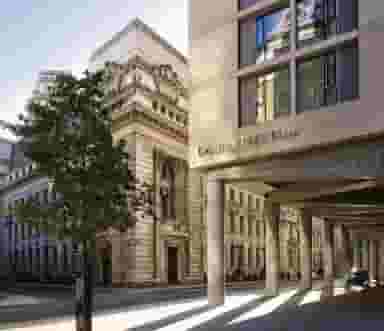
Located in the heart of the City, Salters’ Hall combines the rich heritage of the salt trade of medieval London with contemporary surroundings. Rebuilt in 1972 by Basil Spence and now a Grade II listed building, it is a rare example of a post-war livery building and has remained largely untouched until now... Architects de Metz Forbes Knight [http://www.dmfk.co.uk/projects/load/salters-hall] (dMFK) were tasked with the project to upgrade the building whilst retaining its sense of history and al
One supplier. Every venue. Full visibility on what you spend.
Multiple venues and events. One agreement.